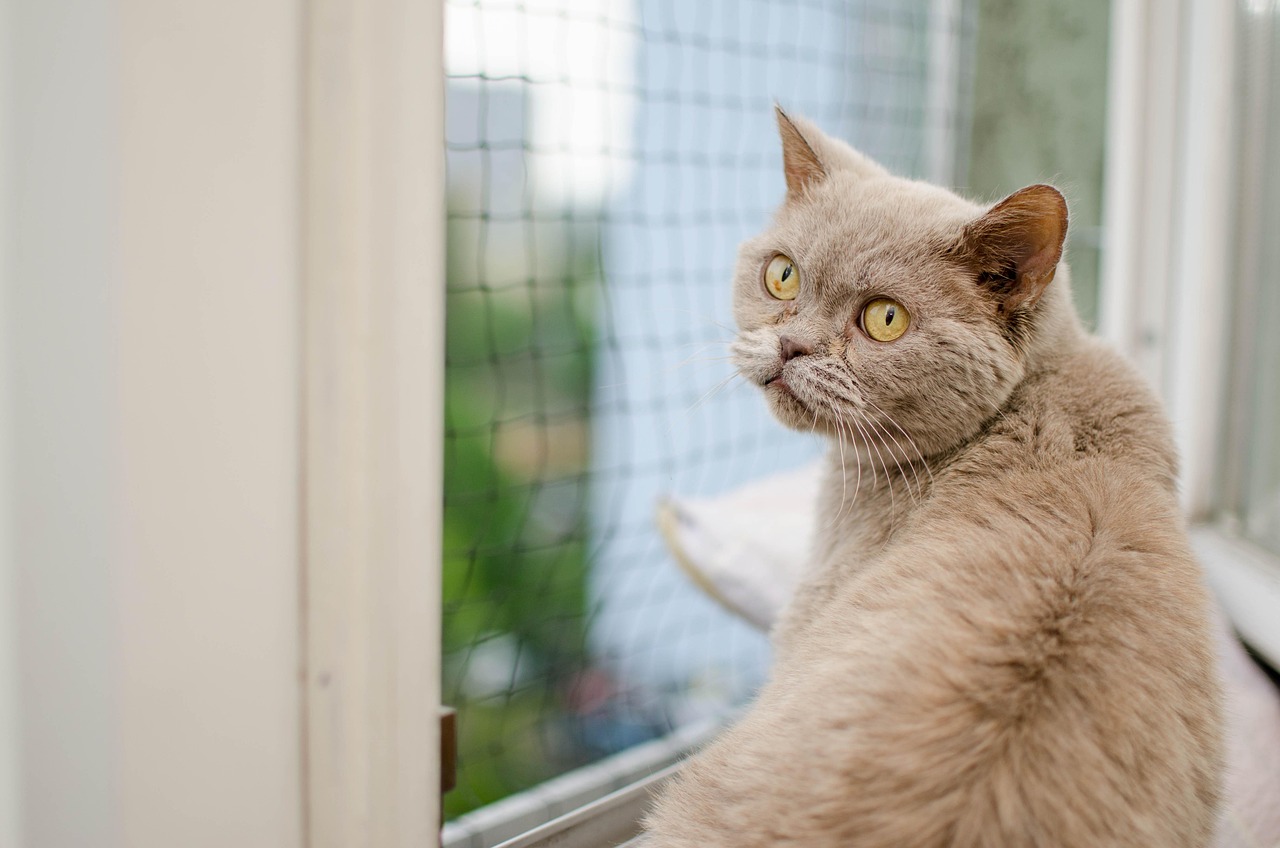

Toxic Household Plants Commonly Found in Cat Owners’ Homes
As cat owners, ensuring our feline friends are safe is paramount, especially in our homes. One of the most significant hazards can be the plants we choose to have around us. Many common household plants are toxic to cats, posing serious health risks. These plants can cause various symptoms ranging from mild gastrointestinal upset to severe neurological or respiratory problems. To keep your cats safe, it’s crucial to identify and avoid these hazardous plants. For instance, oleander and azaleas can be highly toxic, leading to severe health complications if ingested. Reading up on the plants you have at home is fundamental. You may also want to explore non-toxic alternatives that are safe for cats. Resources like the ASPCA can provide a comprehensive list of unsafe plants. This awareness helps prevent accidental poisonings, drastically improving your pet’s safety. Whenever possible, consider placing potentially harmful plants out of reach or in rooms where cats do not roam. Making informed decisions about your green décor creates a safer environment for your beloved companion.
Many cat owners may not realize that the Philodendron is commonly found in homes and is toxic to cats. This family of plants is popular due to its aesthetic appeal and ease of care. However, ingestion can cause significant irritation to your cat’s mouth and throat, leading to vomiting and diarrhea. The same applies to pothos, another commonly kept plant that can result in similar symptoms. To be proactive, it’s essential to research plants before introducing them to your living space. Thoroughly checking whether specific plants are feline-friendly helps in avoiding mishaps. Using substitutes, such as cat grass, can satisfy your cat’s curiosity without the risks associated with these harmful plants. Moreover, educating yourself about your cat’s behavior can articulate whether they’re showing interest in non-safe greens. If you notice your cat acting strangely after exposure to a plant, immediate veterinary attention might be necessary. Keeping your plants out of paw’s reach can also deter them from being a danger. Prevention ensures a more harmonious and healthy home atmosphere for both you and your cat.
Other Plants to Avoid
In addition to Philodendrons and pothos, several other everyday plants can endanger your feline companion. Lilies are one of the most well-known toxic plants for cats. Even small amounts of ingestion can lead to kidney failure, making this plant one to strictly avoid. Other hazardous plants include azaleas, which can cause vomiting and lethargy if consumed. The yew plant, often used for hedging, is also toxic and can lead to cardiac arrest. When decorating, consider less risky options that can beautify your space without posing threats. Spider plants and bamboo are generally safe for cats and can bring vibrancy into your home. Furthermore, learning about plant safety extends beyond the well-being of cats. Many household plants can also be hazardous to dogs and other pets. Thus, being informed and vigilant not only protects your cats but also promotes an overall healthy environment for all species within your home. A well-rounded knowledge of indoor plants significantly enhances pet safety.
Among the lesser-known toxic plants is the Dieffenbachia, also referred to as Dumb Cane. This plant can cause significant distress and swelling of the oral cavity if ingested. Symptoms typically include severe drooling and difficulty swallowing. Notably, some cat owners may be unaware of the dangers of these plants, assuming they are harmless. The Calla Lily also falls into this harmful category. Consuming any part of this plant can trigger irritation and digestive issues in cats. To avoid confusion, labeling outdoor and indoor plants may be beneficial. This ensures household members recognize which plants are safe and which are not. Besides, identifying toxic plants can help guests in your home to remain informed. A simple education effort may save your pet’s life. When it comes to caring for your cat, knowledge is your strongest asset. Commitment to researching and learning about household risks ensures your space is safe for your furry friends. Avoiding complications caused by toxic plants should be an intentional effort all cat owners take seriously to safeguard their pets’ wellness.
Recognizing Symptoms of Poisoning
Identifying the signs your cat may have ingested a toxic plant is essential for every cat owner. Common symptoms include vomiting, diarrhea, and lethargy. Tremors can indicate serious issues due to poisoning. Sometimes cats may display excessive drooling or pawing at their mouths, which could signify distress. Observing changes in your cat’s behavior after exposure to suspicious plants can be vital for their health. If you suspect your cat has been poisoned, contacting your veterinarian immediately is crucial. Diagnosing the issue quickly can greatly improve outcomes. However, it’s not just about treating symptoms. Prevention is equally vital, and recognizing potential hazards can avert nasty situations altogether. Keep a list of poisonous plants easily accessible, keeping it updated based on new information. Moreover, educating friends and family about these hazards can protect your cat during visits. Proactively monitoring your pets while they explore the house can also ensure their safety. Building a strong preventive strategy minimizes risks, leaving you with more time to enjoy your cat’s company.
Addressing household plant hazards involves creating a thorough plan tailored to your home’s needs. First, identify which plants you currently own and check their toxicity status. You can utilize online databases like the ASPCA Animal Poison Control to verify if they are safe for feline friends. If you discover harmful plants in your environment, transition them to locations out of reach or consider removing them altogether. Establishing a designated pet-friendly zone can ensure a safe exploration area for your cat. Focus on educating yourself about safe plants and consider investing in cat-friendly plant options. Plants such as cat mint or catnip can be great alternatives that provide enrichment. You can even incorporate herbs like basil and parsley into your window sill to add freshness to your cooking while ensuring your pet’s safety. Surprisingly, many plants are non-toxic yet visually appealing, enhancing your home’s aesthetic while being a safe space for your pet. Establishing clear boundaries dilutes the risks associated with toxic plants, contributing to a healthier environment.
Conclusion
In conclusion, keeping your cat safe involves understanding the risks posed by common household plants. Many popular plants, such as lilies, oleanders, and Dieffenbachia, can have devastating effects on cats. As a responsible cat owner, it’s your duty to identify and remove any hazardous plants from your home to protect your furry friend. Furthermore, awareness about the signs of poisoning and quick action can save your cat’s life if exposed to something harmful. Regularly reviewing your plants and implementing preventive strategies will go a long way in ensuring your cat’s safety. Remember to approach your home decor choices with caution, opting for feline-friendly species that promote both health and aesthetics. Education and informed choices can create an environment in which both pet and plant life thrive side by side. Investing time in researching plant safety reflects your love for your kitty. Choose wisely, eliminating risks and making sure your home is safe and happy for your beloved cat, ensuring many happy years together in safety and harmony.
Taking proactive steps to ensure a safe environment for your cat should be regarded as a priority rather than a chore. Little modifications can lead to significant changes in safety, such as choosing to inform yourself about your plants and their toxicity levels. Maintain clear communication with fellow household members about which plants to avoid. Share resources that identify toxic plants and promote discussions on pet safety. Being vigilant about your cat’s behavior can serve as an early warning sign, facilitating prompt action if any symptoms arise. Partnering with your veterinarian in providing knowledge on potential hazards can be immensely beneficial. Carrying out regular checks around the home to discover new plants and assess their safety should become standard practice. Promoting awareness in your social circles contributes to creating a safer community for pets everywhere. As more people understand these essential precautions, the chances of pet poisonings and accidents can decrease significantly. Thus, together, we can foster an environment where our furry companions remain safe and happy, enjoying a life free from the dangers posed by toxic household plants. Such efforts showcase our commitment to responsible pet ownership.