
Best Cameras for Indoor Cat Photography
Capturing the playful antics of your feline companion requires the right tools. It’s vital to choose a camera that excels in low-light conditions, as indoor lighting might not always be ideal for photography. Several models stand out, merging compact design with powerful specifications. In evaluating the best options, consider factors such as sensor size, lens quality, and autofocus performance. A camera with a larger sensor size typically performs better in low light, allowing for clearer images without excessive noise. Another crucial aspect is the lens; a wide aperture lens can significantly enhance your indoor photography experience. Additionally, check for fast autofocus capabilities. Cats are notorious for their rapid movements, so it’s essential to have a camera that keeps up with their spontaneous actions. Look for models equipped with advanced autofocus systems to capture sharp images. The Canon EOS M50, Sony A6400, and Nikon Z50 are excellent examples. Their compact size makes them ideal for indoor use, while still boasting high-quality photography features that every cat lover will appreciate. Investing in a good camera enhances your chances of capturing those precious cat moments beautifully.
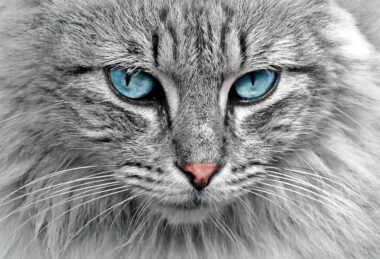
When it comes to photographing your indoor cat, lens choice plays a pivotal role in achieving stunning images. Apart from the camera body, the lens determines the perspective, sharpness, and overall aesthetic of your photographs. A lens with a wider aperture is invaluable, especially for indoor settings where lighting can be limited. In this realm, prime lenses often outperform zoom lenses in terms of clarity and bokeh effect, emphasizing the subject while beautifully blurring the background. For instance, a 50mm f/1.8 lens is a popular choice among cat photographers due to its affordability and sharpness. It creates a lovely depth of field, making your cat the focal point of the shot. Additionally, think about focal length; shorter lenses allow for closer shots, making it easy to capture expressions and details. Macro lenses can also be a delightful option, giving you the ability to photograph the intricate textures of fur or captivating close-ups of those mesmerizing cat eyes. Don’t overlook the importance of stabilization as well, especially in low-light conditions. This combination of lens quality and type is vital for capturing your cat’s delicate grace.
Importance of Camera Settings
Understanding camera settings is crucial for maximizing the quality of your indoor cat photography. In indoor environments, you often need to balance aperture, shutter speed, and ISO to get the best results. Setting a wider aperture allows more light to enter the camera, which is especially beneficial in dimly lit rooms. It also results in a shallow depth of field, giving a lovely effect to your cat photos by keeping the background softly blurred. However, be cautious as you increase aperture; if too wide, the focus may miss the eyes, which are essential in cat portraiture. Shutter speed is equally important; you should aim for a speed fast enough to freeze the action without motion blur, especially with active cats. A speed of at least 1/125 of a second is a good rule for typical feline antics. Lastly, consider the ISO settings carefully; while increasing it may help in low light, higher ISO can lead to grainy images. A balance between these three settings ultimately dictates the clarity and beauty of your cat photographs.
In addition to camera settings, certain techniques can elevate your indoor cat photography to another level. Experimenting with angles and perspectives is key; don’t be afraid to get down on the floor to capture your cat at their level. This can provide a unique viewpoint that showcases their personality and surroundings more effectively. Natural light is your ally; try to position your cat near windows or in well-lit spots to take advantage of soft, diffused sunlight, which often renders beautiful highlights and shadows. Engaging your cat with toys or treats can help elicit candid moments and expressions. Consider using props as well, integrating their favorite blanket or toy into the scene, adding depth and context to your shots. Candid shots tell a story and reflect your cat’s personality. Always stay patient and ready, as great moments can be fleeting; having your camera set and at the ready makes a significant difference. These techniques, combined with the right gear, will ensure you capture memories you’ll cherish for years. Experimenting will yield delightful results.
Post-Processing Your Images
After capturing your favourite images, post-processing offers a way to further enhance your indoor cat photography. Editing can improve colours, contrast, and sharpness, transforming an already good photo into an exceptional one. Adobe Lightroom and Photoshop are popular tools among photographers for this purpose. Basic adjustments like cropping can refine your composition effectively, centering your cat and eliminating distracting elements. Adjusting exposure and contrast enhances the overall mood; be sure not to overdo it, keeping the results realistic. Using the clarity and vibrance sliders can help your cat’s fur look more dynamic without making the image look artificial. Furthermore, consider applying selective adjustments for areas needing enhancement, like brightening the eyes to draw viewers into the photo. Applying subtle filters or presets can provide a cohesive look to your images, making your portfolio visually appealing. Always remember to save copies of the originals in case you wish to revert to them later. Learning how to enhance your images through editing will drastically improve the overall look and feel of your cat photographs, showcasing their beauty.
Applying excellent composition principles can drastically enhance cat photography, particularly when working within the confines of your home. Familiarizing yourself with techniques like the Rule of Thirds can guide you in positioning your cat within the frame. By imagining a grid divided into thirds, both horizontally and vertically, place your cat’s face or eyes along these intersection points to create a balanced photograph. Symmetry can also be beautiful, especially in capturing your cat’s profile or resting pose. Ensure to fill the frame with your subject; though wide-angle shots can be captivating, tight frames add intimacy to your composition. Creating leading lines within your photograph can draw the viewer’s eye towards your cat, enhancing the storytelling aspect within the image. Play with negative space as well, allowing your subject to breathe within the visual while still focusing on their action or pose. Remember to check the background for distractions; a simple backdrop often enhances the overall appeal of your cat’s beauty. These compositional elements, combined with the right camera settings, can create striking images worthy of sharing and keeping.
Investing in Accessories
Accessories play a significant role in cat photography by enhancing not only your camera’s performance but also your shooting experience. Consider investing in a sturdy tripod to ensure stability during indoor shoots, especially when using slower shutter speeds in low light. A tripod reduces blurry images caused by camera shake, allowing for clearer results, particularly when shooting with lower light settings. Portable reflectors can significantly improve your lighting conditions by bouncing light back onto your cat’s face. Softbox lights can also be essential, particularly for indoor photography where natural light may not always be available. Furthermore, a memory card with ample storage is vital; you wouldn’t want to miss out on any spontaneous moments due to a full card. Additionally, don’t forget about a comfortable camera strap, particularly if you plan to shoot for extended periods. Accessories can make your shooting experience smoother and ultimately yield better results. They streamline your workflow, allowing you to focus more on capturing those delightful moments that highlight your cat’s personality. By choosing wisely from available accessories, you ensure you’re equipped for any indoor cat photography scenario.