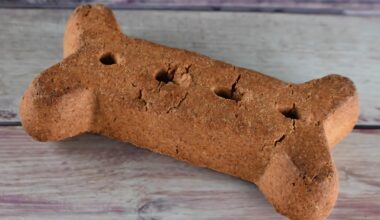

Choosing the Right Size Chew Toy for Your Dog’s Safety
Selecting chew toys for dogs is crucial for ensuring their safety and enjoyment. Dogs love to chew, and the right toy can make a huge difference in their well-being. However, choosing the appropriate size is essential. A toy that’s too small poses a choking hazard. Conversely, a toy that’s too large can be difficult for your dog to handle. It’s important to choose toys that are specifically designed based on your dog’s size and chewing style. Always consider your dog’s breed and weight when selecting toys. This guide will help you figure out the ideal size chew toy for your four-legged friend. Pay attention to the designs that manufacturers offer, as some are tailored to specific breeds. You can also consult your veterinarian for personalized recommendations. Engaging your dog with the right chew toy not only entertains them but also promotes mental stimulation and physical health. By observing your dog’s chewing habits, you can better select toys that last longer and keep them safe from harm.
When buying chew toys, always inspect the materials used and their durability. Strong materials such as rubber and nylon are popular choices for durable chew toys, but softness could also be beneficial for certain dogs. It’s worth mentioning that some dogs can be aggressive chewers, leading to toys breaking apart too easily. Ensure that the chosen chew toy can withstand your dog’s chewing without disintegrating into pieces. Toys made from safe, non-toxic materials are essential to prevent harmful ingestion. Watch for any signs of damage during playtime, and replace toys that wear out quickly, as they may pose health risks. If the toy starts to break into smaller bits, it’s best to discard it immediately. Additionally, think about engaging toys that offer an interactive experience; these can often help reduce boredom. Toys that squeak, crinkle, or have varied textures might keep your pet entertained longer. Always supervise your dog while they play to further enhance safety. Making informed choices when selecting chew toys aligns with a responsible pet ownership strategy, ultimately enriching your dog’s life.
Understanding Your Dog’s Chewing Behavior
Dogs exhibit various chewing behaviors influenced by their age, size, and individual preferences. Puppies often chew during teething, seeking relief from discomfort. Providing the right chew toys can help alleviate this pain. Adult dogs may chew for different reasons, such as boredom or anxiety. Knowing what prompts your dog’s chewing is key to selecting the most suitable toys. You can try different shapes and textures to see what engages them best. Chewing also helps keep their teeth clean and strengthens their jaws; therefore, providing chew toys should be a part of their routine. If your dog has a specific chewing style, like a gentle nibble or aggressive gnawing, consider that when making your choices. Educating yourself on the best types of chew toys can lead to better health outcomes for your pet. Always opt for toys that cater to your dog’s unique chewing habits, and regularly rotate them to maintain interest. This not only keeps their focus but allows you to monitor wear and tear for safety purposes.
In addition to size and material, consider the texture of the chew toy. The texture can affect how satisfying the chewing experience is for your dog. Soft, plush toys might appeal to smaller dogs, while larger breeds often prefer sturdier, rugged options. Textured surfaces can attract dogs and encourage them to chew longer, providing necessary stimulation and relief from boredom. Be conscious that the type of texture can influence a toy’s durability. Sometimes toys designed for ideal dental hygiene may feature nubs or ridges specifically crafted to clean teeth and massage gums. However, these toys should still be appropriate for your dog’s size, as overly hard textures can cause damage to teeth. Be attentive to how your dog interacts with the chew toy, and adjust as necessary based on their preferences and safety. Regularly inspecting toys for wear and tear is critical to maintaining your dog’s health and enjoyment. This proactive approach will help you notice any changes in chewing behavior that may indicate discomfort or dissatisfaction with their current toys.
Matching Chew Toys to Different Breeds
Each dog breed has unique characteristics that may influence the type of chew toy they prefer. For example, larger breeds like Mastiffs or Great Danes will need tough, heavy-duty toys that can withstand powerful jaws. On the other hand, smaller breeds such as Chihuahuas or Pomeranians typically require petite toys designed for their smaller mouths. Each breed also has different energy levels, which may affect their chewing habits. Active breeds like Border Collies might enjoy toys that can handle more vigorous chewing and play. Recognizing these differences will help you supply appropriately sized chew toys that cater to various breeds, keeping the pets happy and safe. This breed-specific approach ensures that toys do not become hazards and provides an enriching environment that encourages healthy chewing. It can also prevent instances of frustration when a dog struggles to handle a toy that doesn’t suit their size or strength. By closely adhering to breed characteristics, you’ll find better satisfaction in your pet’s playtime and overall happiness. Remember to consider individual personalities along with general breed traits.
Another crucial factor to consider when selecting chew toys is your dog’s age. Puppies, adult dogs, and seniors will have distinct chewing needs that can vary greatly. Puppies often require softer toys tailored to their delicate teeth and gums, making rubber or plush options appropriate for them. As dogs age, oral health may decline, leading to a need for more gentle and forgiving toys that do not harm sensitive teeth. Senior dogs might appreciate toys with textures that promote healthy chewing without undue stress. Be cautious of any signs of discomfort in your seniors when they engage with harder toys, as this can lead to further complications if not addressed. Tailoring your selection to accommodate the age-related demands can greatly enhance your dog’s play experience. Regularly assessing how well your dog interacts with their toys can help catch signs that they need changes in their playtime. Adjustments based on age and health can create a safe environment that prioritizes comfort and playful enjoyment for your furry friend. This ongoing evaluation is a vital consideration for longevity in their dental well-being.
Conclusion: Ensuring Safety and Enjoyment
Ultimately, the goal of choosing the right chew toy is to guarantee a safe and enjoyable experience for your dog. Always prioritize safety by selecting toys that are appropriately sized, durable, and made from non-toxic materials. Be diligent in evaluating how your pet interacts with different toys to find the best matches that keep them entertained while minimizing potential hazards. Going the extra mile to pay attention to your dog’s breed, chewing style, and age can lead to more enriching and enjoyable playtime. By keeping their physical and mental needs at the forefront, you can nurture a bond of trust with your pet. Engaging chew toys can bring delight and satisfaction that will enhance your dog’s quality of life. Regularly rotating toys also prevents boredom and encourages exploration of new textures and styles. Always stay informed on pet safety and advancements in toy design to make the best choices for your furry friend. Your informed decisions will reward you with the happiness and well-being of your beloved dog during playtime.
Additionally, be mindful of how toys may affect your dog’s dental health. Certain chew toys are designed to promote oral hygiene by reducing plaque and preventing tartar buildup. Opting for dental chews approved by veterinarians can support your dog’s overall health. Regular veterinary check-ups will also help monitor any developments or changes in your pet’s dental condition. Chew toys can contribute to healthy gums and minimize potential dental diseases. Providing continuous education on the best toys for maintaining dental health is essential for every responsible pet owner. Moreover, while chew toys are vital, pairing them with training can also enhance their effect. Incorporating training sessions that involve these toys can promote behavioral learning and strengthen the bond between you and your dog. Observe how your dog reacts to different chew toys, adapting your strategy to align with their preferences. Always ensure chew toys are clean and free from debris to maintain hygiene as you explore the best options. Gradually establishing your dog’s preferences and adjusting accordingly will ensure long-lasting enjoyment and health benefits.