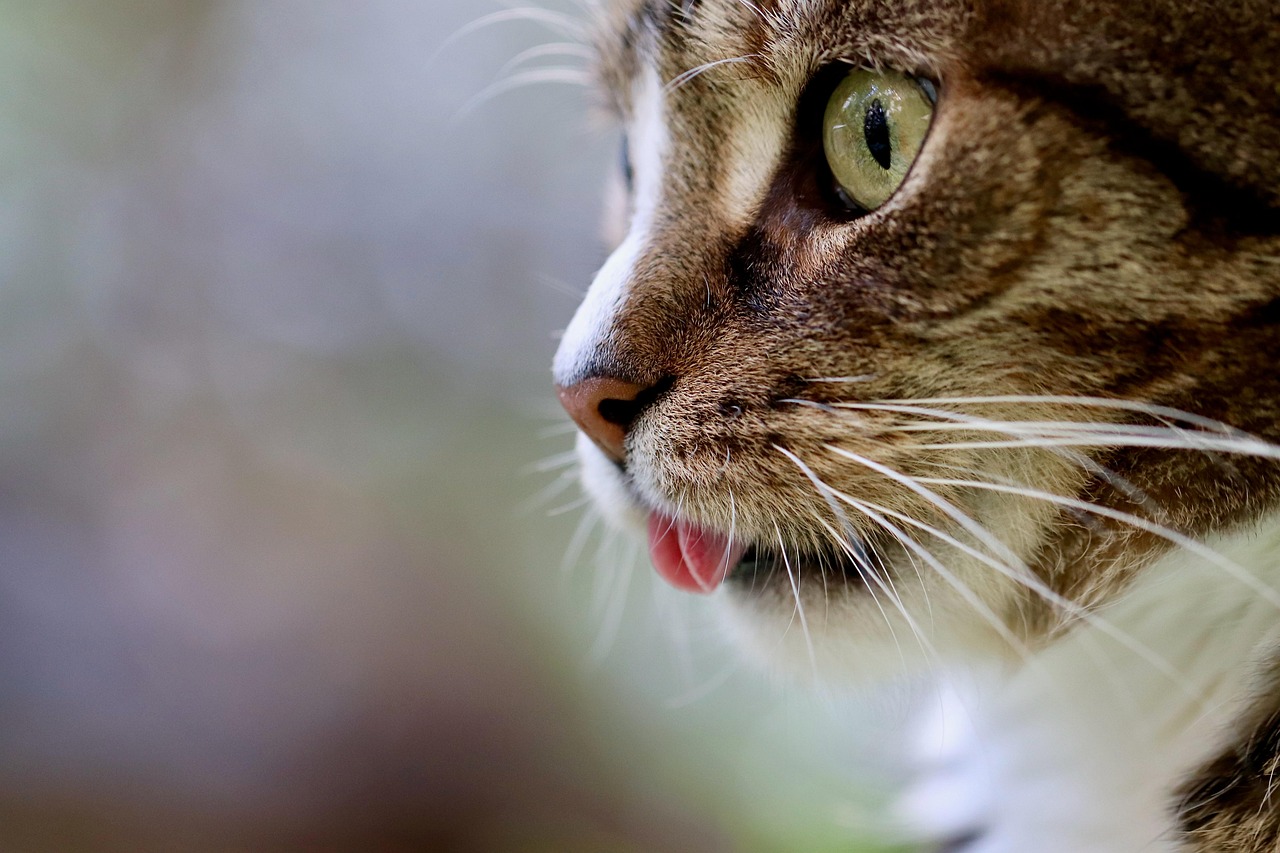

Community Outreach and Education on Cat Ordinance Compliance
Effective communication and engagement are vital when addressing community concerns surrounding cat control ordinances. Community outreach programs should serve to educate pet owners about responsible cat ownership. Through workshops and informational sessions, residents can learn why ordinances are in place and how they benefit both cats and local wildlife. Introducing local ordinances ensures the safety of outdoor cats and reduces nuisance complaints from neighbors. Informative pamphlets and flyers can reinforce these lessons, clarifying expectations for cat management. Additionally, involving local veterinarians can lend authority and credibility to the discussions. Engaging youth through school programs will also instill a sense of responsibility towards pets. Schools can incorporate pet care into their curricula, teaching children about population control and the importance of spaying and neutering. When communities feel empowered with knowledge, compliance with ordinances rises. A sense of collective responsibility nurtures a harmonious environment. Technology can aid these endeavors, enabling online seminars for wider reach. Social media campaigns can effectively disseminate important information around compliance. These strategies must be tailored to address specific challenges within individual communities, ensuring outreach reaches those who need it most.
Importance of Involving Local Resources
Local animal welfare organizations and shelters should partner in outreach initiatives to educate residents about cat ordinances. These entities have experience in fostering positive relationships while promoting responsible cat ownership. Their involvement can provide additional resources and expertise, enabling a more comprehensive approach to community education. Workshops offered by these organizations can cover essential topics such as the importance of spaying and neutering, ensuring the health and well-being of cats while mitigating overpopulation. By highlighting success stories of responsible pet ownership, residents can find motivation and inspiration for compliance with local ordinances. Additionally, these organizations can provide solutions for cats in need of homes, redirecting attention to adoption programs. Collaborative efforts can also result in increased visibility for local shelters. Leveraging local events like fairs or farmers’ markets can facilitate pop-up information booths where residents can interact and ask questions directly. Partnerships with these organizations inspire trust, leading to a more receptive audience regarding compliance. Outreach is most effective when based on shared goals and benefits, unifying the community in their approach to managing cat populations and enhancing compliance with ordinances.
To further enhance the effectiveness of outreach programs, utilizing visual aids can significantly influence understanding. Infographics, videos, and social media content that explain ordinances visually can resonate more profoundly than text alone. Many residents may struggle with complex legal language, so transforming these concepts into visual formats will foster clearer understanding. Engaging graphics illustrating the impact of irresponsible pet ownership on local wildlife can evoke empathy. As residents comprehend the consequences of their actions, they are more likely to comply. Additionally, creating interactive digital content can provide a fun way to learn about ordinances. Quizzes or interactive presentations can engage audiences while reinforcing crucial information regarding cat management responsibilities. This approach can attract attention, transforming education into an enjoyable experience. The focus must remain on encouraging proactive engagement where the community feels for cats and wildlife alike. Collaborations with local artists to make street art or murals can be visually impactful, sparking conversations around responsible cat ownership. As outreach becomes creative, it transcends traditional methods, allowing the community to view ordinances as opportunities for improved coexistence with their feline companions. Adaptability encourages ongoing compliance and shared responsibility.
Measuring Success of Outreach Efforts
Implementing strategies allows communities to measure the impact of educational initiatives on compliance with cat ordinances. Surveys can be distributed to gauge community awareness before and after outreach activities. Analyzing participation rates in workshops or seminars offers companies insights into engagement levels. Furthermore, tracking the number of reported stray cats or complaints before and after campaigns can quantify changes. When residents recognize their role in responsible ownership, compliance may show improvement. Regular follow-ups across various channels can sustain interest, ensuring ongoing support for initiatives. Feedback forms for residents attending workshops can highlight areas needing more attention or clarification, enabling continuous improvement of outreach. Establishing a community cat registry can provide valuable data on local cat populations. Each registration can comply with identified ordinances, showcasing community commitment to cat control. Additionally, recognizing exemplary responsible cat owners within the community can incentivize compliance among neighbors. Acknowledgment fosters pride and encourages participation in future outreach efforts. Documenting successes with effective outreach can serve as a template for others, sharing strategies on their journey towards improved cat governance, fostering a more unified community with shared goals.
Organizing community events centered around pets can bring awareness to cat ordinances while fostering social connections. Pet fairs, adoption drives, or
cat parades can create platforms for education while promoting responsible ownership. These occasions allow residents to engage directly with local organizations, receive information, and access resources rapidly. Offering fun activities and contests can encourage participation while educating guests about ordinances. Providing educational material during the event will take advantage of the excitement generated. Incorporating local businesses into events can incentivize sponsorships, trophies, or prizes, creating a sense of community support behind the event. Additionally, reaching across neighborhoods to invite a broad audience can create solidarity while addressing a shared concern. Pet events can serve as platforms for promoting the importance of spaying/neutering, vaccinations, and responsible management. Inviting veterinarians for free consultation or providing low-cost service options can enhance event value. These engagements create a healthy synergy within the community, focusing on responsible pet ownership and creating a supportive culture. The outcomes of these events can be long-lasting, fostering a sense of community pride in caring for their pets. By integrating fun and education, these outreach events can cultivate a more responsible perspective on cat management and compliance with local ordinances.
Engaging the Youth for Maximal Impact
Involving youth in community outreach initiatives can pave the way for a new generation of responsible cat owners. Schools represent an ideal venue for fostering discussions regarding pet ownership responsibilities and local ordinances. By incorporating pet care education into existing curricula, children will develop an understanding of the obligations that come with having pets, especially cats. Field trips to animal shelters can bolster their connection to local wildlife and providing hands-on experience. Collaborating with scouting organizations can contribute projects focused on animals to develop students’ skills in leadership and empathy. Young individuals can participate in community service activities, such as assisting at adoption events, fostering a sense of involvement. Local art programs can engage youth in creating awareness campaigns targeted at other peers and their families. Engaging students in creating informative posters or videos can spark conversations at home around responsible pet ownership. When children grasp the importance of ordinance compliance, they often become ambassadors within their circles, influencing their families positively. Long-term investments in education yield significant community benefits, reducing strays and further fostering a culture of responsible pet ownership.
In conclusion, the successful outreach and education on cat ordinance compliance hinge on comprehensive strategies that involve community engagement. Fostering collaboration between local organizations, schools, and residents can lead to increased awareness regarding responsible cat ownership and its benefits. By utilizing innovative approaches such as visual aids and community events, residents can be engaged and inspired toward compliance. The implementation of measurable success metrics will provide valuable insights into the effectiveness of outreach strategies. Implementing initiatives tailored to local needs promotes shared responsibility and a deep-seated commitment to positive cat management. Education can evolve through various platforms, ensuring every threshold for understanding is addressed. Ultimately, the goal aligns with achieving community and wildlife harmony while respecting ordinances. Investing in outreach year-round creates lasting impact, ensuring compliance and better relationships between neighbors. Sustained efforts and adaptive strategies will aid in shaping behaviors beneficial for both pets and communities. A culture that embraces knowledge benefits everyone, fostering an environment of support and understanding surrounding cat management. Together, communities can cultivate a brighter future for their feline companions and the ecosystems they inhabit.