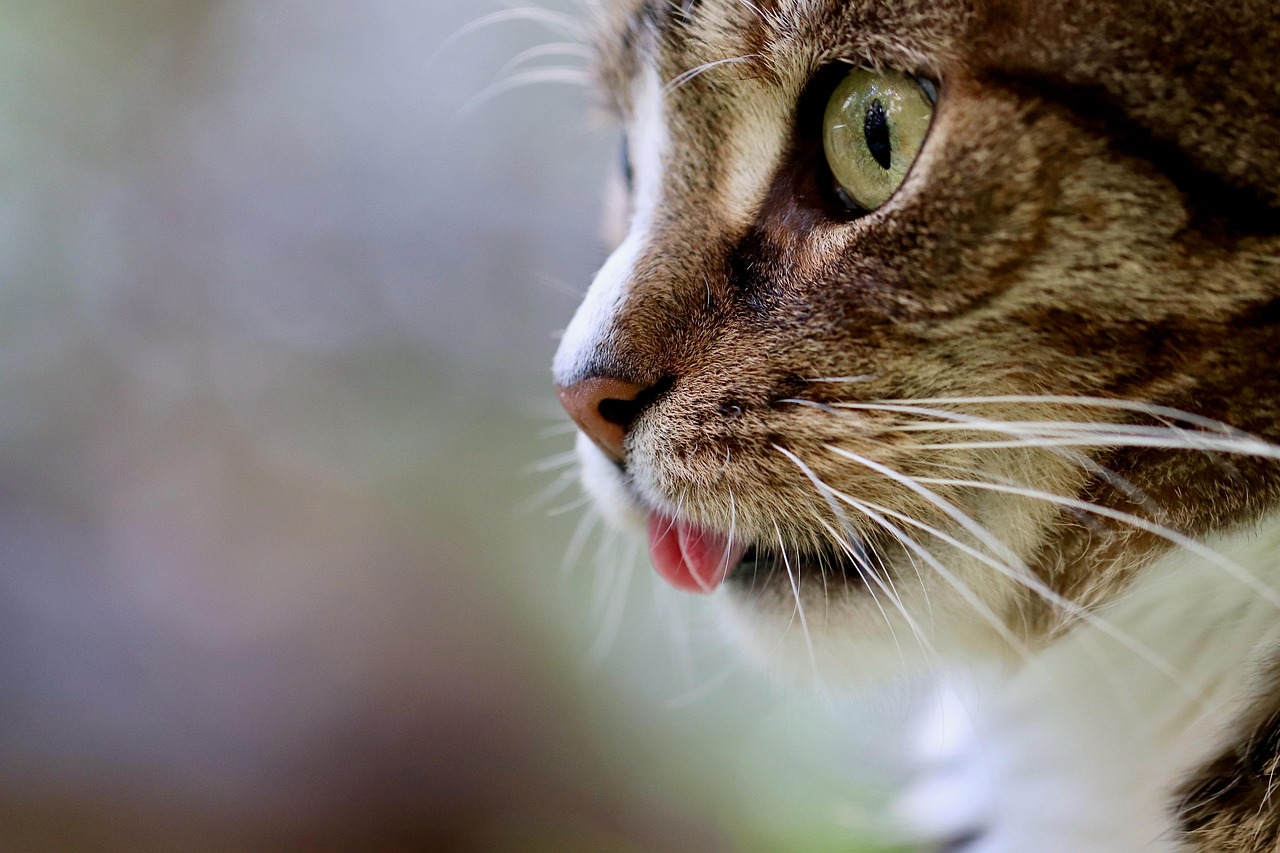

Core Vaccines for Cats: Protecting Your Feline Friend
Cat vaccinations are essential for maintaining your pet’s health. These vaccines help protect against various diseases that can be harmful or even fatal. Core vaccines for cats include Feline Viral Rhinotracheitis, Calicivirus, and Panleukopenia, often abbreviated as FVRCP. These vaccines not only help keep your cat healthy, but they also contribute to the prevention of disease outbreaks in the feline community. Regular vaccinations form the foundation of cat health care. By ensuring your cat receives these vaccines, you are also protecting other cats from potentially deadly infections. Regular check-ups with your veterinarian can ensure your cat is up-to-date on these vaccines. It is also important to discuss any concerns you might have about vaccinations with your veterinarian, as they can provide personalized recommendations. These core vaccines are typically administered in a series when your cat is young and may require boosters throughout their lifetime. Keeping your cat current on their vaccinations is crucial for their long-term well-being. This proactive approach can help avoid severe health issues later in life, ensuring many happy years alongside your feline friend.
Feline Leukemia Virus (FeLV) is another important vaccine that should be considered, especially for cats who go outdoors or interact with other felines. This virus can compromise a cat’s immune system, making them vulnerable to other infections. Vaccination against FeLV is typically recommended during the kitten stage but may be necessary for adult cats in at-risk situations. Discuss with your veterinarian about the FeLV vaccine’s importance in your cat’s vaccination schedule. However, before vaccinating, it’s wise to have your cat tested for FeLV, as this decision can greatly influence their health plan. Another crucial vaccine is the Rabies vaccine, which is legally required in many regions. Rabies poses the risk of transmission to humans and other animals, making it imperative for pet cats. The initial rabies vaccination is usually given at about 12 weeks of age or older, followed by annual or triennial boosters depending on local laws. Ensuring your cat is protected against rabies not only saves their lives but also safeguards everyone in your home. Keeping a vaccination record is essential, serving as proof of your cat’s immunization history. This record is valuable during travels and necessary for facilities like boarding or pet hotels.
Regular veterinary care goes hand-in-hand with vaccinations. Annual or semi-annual check-ups with your veterinarian allow for comprehensive assessments of your cat’s health. During these visits, your doctor can evaluate your cat’s overall well-being, recommend necessary vaccinations, and address any emerging health issues. When visiting the vet, it’s essential to communicate any changes you’ve observed in your cat’s behavior, appetite, or litter box habits. This information helps the veterinarian tailor a health plan that suits your feline’s specific needs. Additionally, during these check-ups, you can inquire about any new vaccinations available that may benefit your cat’s health. This proactive approach can save you from unforeseen health problems down the line. Providing a well-rounded diet, enriching environment, and regular exercise are also vital components of cat health. Combining these lifestyle elements with vaccinations creates a comprehensive care plan. You must ensure your cat receives proper nutrition, social interaction, and opportunities to explore. Offering a variety of toys and playtime can stimulate your cat mentally and physically. With everything in place, your furry friend can thrive healthily and happily.
Vaccination Schedule
Creating a vaccination schedule allows owners to stay organized and aware of their cat’s vaccination needs. New kitten owners should start vaccinations at approximately 6 to 8 weeks of age. Generally, the initial FVRCP vaccines are given every 3 to 4 weeks until the kitten reaches about 16 weeks. Consequently, owners should remain vigilant about booster shots during the first year and beyond. Following this initial series, core vaccinations may require boosters every one to three years based on the veterinarian’s recommendations. Rabies vaccinations are often different from core vaccines, and their intervals depend on state regulations and vaccine type. A follow-up consultation with your vet is crucial to discuss future immunization schedules and any updates in protocol or new vaccination developments. Records must be maintained diligently, serving as documentation for future veterinary visits or when traveling. Make sure to update your schedule as your cat ages or as vaccination requirements change. Pet owners can use tools and apps to track vaccination dates and vet appointments as part of a comprehensive cat care routine, ensuring no vaccination lapse occurs.
Feline vaccines are often safe, but reactions can occur, just as with any medical procedure. In most cases, side effects are mild, such as temporary lethargy or slight swelling at the injection site. However, keep an eye on your cat for more severe reactions, including vomiting, diarrhea, or difficulty breathing. If any of these symptoms arise, contact your veterinarian immediately. Knowledge about your pet’s vaccination history is beneficial to determine if further precautions need to be taken in the future. In rare cases, some cats may develop an allergic reaction to vaccines. If your cat has a history of allergic reactions, discuss this with your vet before administering vaccines. They might recommend alternate vaccine types or schedules, ensuring that your feline receiving the best possible care. Allergy testing can also aid in creating a tailored vaccination plan. Always consult your veterinarian concerning any supplementing treatments for your cat’s health, especially those that may interact with vaccines. Remember, it’s better to be proactive than reactive when it comes to your cat’s health and vaccinations.
Finally, it’s essential to understand that vaccinations are part of the broader picture of preventive health care. Regular grooming, a balanced diet, and mental stimulation cannot be overlooked in promoting your cat’s overall wellness. Engaging your cat with scratching posts, interactive toys, and climbing structures aids in physical and mental health. Providing a clean litter box and quality food can keep your cat in peak condition. Establishing a routine that includes playtime and grooming promotes bonding between you and your pet while ensuring they feel secure and loved. This bonding experience is crucial in building trust and improving their emotional well-being. Additionally, consider scheduling playdates with other vaccinated pets, as socializing is necessary for a cat’s emotional balance. Monitor your cat for signs of stress or anxiety, as behavioral issues may indicate underlying health concerns. Regular health checks and vaccinations are vital, but creating a loving environment fosters a healthy cat. By prioritizing vaccinations and overall wellness practices, you ensure your feline friend enjoys a vibrant and joyful life.
Conclusion
In conclusion, core vaccinations play a crucial role in safeguarding your cat’s health. By remaining proactive about your feline’s vaccination schedule and overall health care, you are making a significant investment in their quality of life. Vaccines protect your cat from severe diseases and prevent the spread of infections within the feline community. Always consult with your veterinarian to create a tailored health plan for your pet that includes vaccinations and regular health assessments. Remember, health care is not a one-time event; it’s an ongoing process requiring your attention and commitment as a responsible pet owner. Education about potential risks and preventive measures is essential in ensuring a happy and healthy feline companion. Be sure to discuss the benefits and risks of vaccinations with your veterinarian during each visit. By understanding your cat’s medical needs, you can provide the best care possible. As a cat parent, your dedication to their health will allow you to enjoy the many loving moments shared together, enhancing the bond you share with your furry friend.
Additionally, consider the importance of community resources on vaccination awareness and availability. Participating in local spay and neuter programs can increase the number of protected cats in your area. Some communities offer low-cost vaccination clinics or outreach programs emphasizing preventive care. Familiarizing yourself with these resources can save you money and time while ensuring your cat receives their necessary vaccinations. Vaccination reminders are crucial. Smart device apps can track vaccination schedules and send alerts when your cat’s next vaccination is due. Additionally, consider discussing vaccination effects and any adverse reactions with fellow cat owners. Community support fosters knowledge sharing and ongoing education on pet care best practices, enhancing the collective responsibility of keeping cats healthy. Remember, each vaccine plays a significant role in contributing to the wellbeing of your feline friend and the overall health of the feline population. You empower yourself as a responsible pet owner by staying informed, proactive, and supportive of community initiatives regarding pet health. Ultimately, your commitment to vaccination fosters a vibrant, thriving environment for every cat in your care.