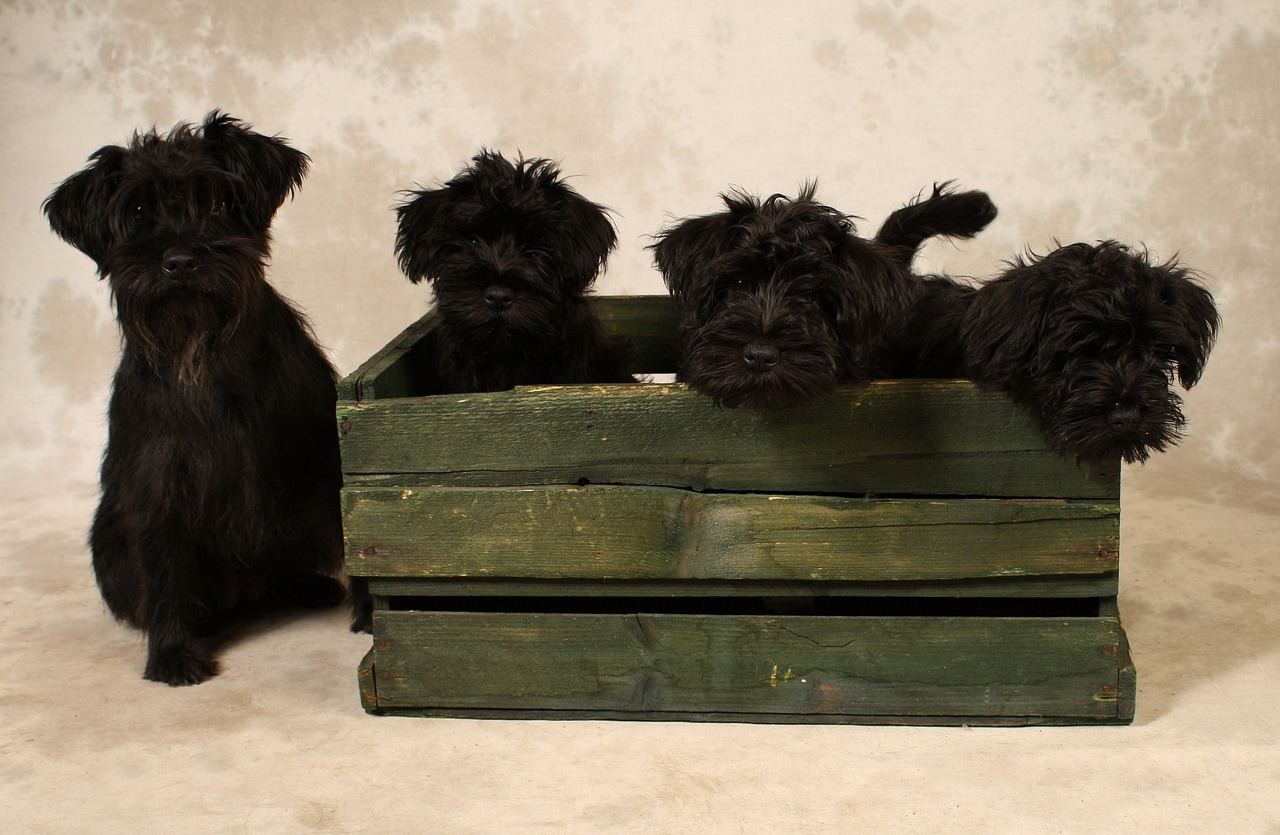

How to Size a Crate for Multiple Puppies or Small Dog Breeds
When choosing a crate for multiple puppies or small dog breeds, the size of the crate is crucial for their comfort and safety. Puppies grow rapidly, so it’s essential to select a crate that can accommodate their changing size. Measure your puppies when they are standing; their height should determine the height of the crate. Ideally, add several inches to allow them to stand comfortably. The width and length should be sufficient for them to turn around and lie down without constraints. Crates come in various sizes, with recommendations often listed within the product description. For multiple puppies, a larger crate is advisable, unless you plan to separate them. However, apart from size, consider the design; some crates feature dividers, which are particularly helpful for groups of pups of different sizes. An appropriately sized crate will also create a safe space where your puppies can relax and sleep. Therefore, investing in a good-quality crate helps manage anxiety and promotes healthy habits. Checking reviews online from other pet parents will provide insight into the best options available based on size, material, and functionality.
Besides considering the general size of the crate, it’s also important to assess the temperament and behavior of the puppies involved. If you’re dealing with energetic or playful pups, look for durable materials so the crate withstands their activity level. Additionally, a double-door crate provides better accessibility, making it easier for you to manage multiple puppies. Ensure that the crate has adequate ventilation to prevent overheating during warm days. It also plays a significant role in the emotional comfort of your puppies by allowing them to see their surroundings. Puppies can sometimes feel anxious if they cannot see outside their space. Furthermore, consider the crate’s portability if you plan to travel frequently with your puppies. Lightweight crates that can easily fold flat are often ideal for travel situations. Assessing your lifestyle can influence your choice significantly, as the crate will serve as a transitional area for your puppies. Therefore, spend time researching and gathering input from fellow dog owners. They can provide valuable insights about best practices and share their experiences about sizing crates for multiple puppies and small breeds.
Once the appropriate size crate has been selected, acclimating your puppies to the crate is vital. This process helps reduce anxiety and ensures they associate the crate with comfort. Start by allowing them to explore the crate freely; keep the door open and place treats or toys inside. Positive reinforcement can encourage them to enter the crate willingly. Gradually, increase the time spent in the crate, rewarding them for calm behavior inside. After the puppies are comfortable with the idea, begin closing the door for short periods. Extend this time gradually to help them adapt to being inside with the door secured. Monitor their behavior closely during this time. If any signs of distress emerge, return to a previous step until they feel secure. It’s also essential to maintain a consistent schedule so that they can learn when to enter the crate. Crate training isn’t just about containment; it reduces chances of accidents at home. Therefore, providing a warm, inviting blanket inside the crate can enhance their experience, making it more appealing as their extra cozy den. Lastly, ensuring that they associate the crate with good experiences is the ultimate goal.
Choosing the Right Material
The crate material also plays a key role in the overall comfort and functionality of the crate for multiple puppies. Several options are available, including plastic, metal, and soft-sided designs. Metal crates are sturdy and well-ventilated, making them suitable for active puppies. They’re also durable and can endure chewing or scratching much better than plastic. Plastic crates provide a more enclosed space, giving a sense of security, especially for shy or anxious pups. Also, they are generally lighter, making them easier to transport. On the other hand, soft-sided crates are ideal for calmer dogs and those who travel frequently. They are lightweight and portable, but ensure they are well-constructed. Consider your puppies’ behavior patterns when selecting the material, as well as the overall design. Moreover, each material requires different care and maintenance, so find out about these factors too. Consider investing in a crate with removable and washable covers to ensure hygiene since puppies can have accidents. Ultimately, the perfect crate should represent a balance between safety, comfort, and convenience based on your unique situation and the specific needs of your puppies.
In terms of maintenance, keeping the crate clean is essential, especially for multiple puppies. Regular cleaning routines prevent odors and maintain a pleasant environment for your dogs. Many crates come with removable trays or covers that simplify the cleaning process. When cleaning, use pet-safe disinfectants and avoid harsh chemicals that could harm your puppies. Regular checks for wear and tear are also essential, as any sharp edges can pose safety hazards. If a part of the crate becomes loose or damaged, it’s crucial to repair or replace it immediately to avoid accidents. Moreover, keeping the crate in a cool, dry place prevents moisture buildup and ensures comfort for your puppies. Using a crate pad or soft blanket can enhance comfort while also aiding in maintenance. Choosing materials that are machine washable is also advisable for ease of cleaning. Establishing a designated space for the crate in your home can foster routine and predictability for your puppies. Therefore, keeping this area consistently clean and inviting makes your puppies more likely to enjoy their crate time.
Monitoring Your Puppies’ Comfort
As the puppies grow, adjusting their crate size becomes necessary. Be attentive to their comfort, as cramped conditions can lead to stress behaviors. Transitioning from a small to a larger space allows them to stretch out, sleep comfortably, and play. Regularly assess how they are fitting in their crate. Changing their crate size can be easier if you choose crates with adjustable dividers or multiple panels. Transitioning gradually can help maintain a sense of security during the change. Once puppies become accustomed to one configuration, maintaining consistency defuses stress. Additionally, being attentive to their individual personalities can guide you in ensuring the crate is not just a space but their sanctuary. While puppies may appear to enjoy sharing space, each one might need their own room to feel safe. Incorporating chew toys or comfort items can also improve their experience inside the crate. With time, these items often become familiar comforts that soothe them during high-stress moments. Lastly, keep observing the puppies throughout the growth process to determine when it’s appropriate to change up their crate environment.
Finally, remember that crate training is a gradual process and varies for each puppy. Be patient and flexible, as what works for one may not necessarily work for another. Consistent training with treats can help reinforce positive feelings about the crate, but trying different methods might be necessary. Puppies may require time to adjust, so positive experiences should reinforce success. Engaging them with interactive toys or games during crate time can also distract from any anxiety they might feel. Always monitor your puppies’ reactions and make changes accordingly to foster a peaceful experience within their crate. Celebrating milestones during their growth will further encourage feelings of security and happiness in their crate space. Crate training plays an important role in overall behavior and routine development for small dog breeds or multiple puppies. It teaches them structure while also providing them a safe environment. The ultimate goal is for your puppies’ crate to become a cherished place they return to willingly. Therefore, nurturing their crate experience through love, comfort, and safety plays an integral role in their development, ensuring they thrive as happy, well-adjusted dogs.
As you embark on the journey of crate training your puppies, stay committed to creating a positive crate experience. Focusing on gradually introducing your puppies to their new environment will foster trust. A crate that is the right size, shape, and material will promote their comfort, functioning uniquely for their training needs. Throughout this process, remain observant and patient as your puppies adapt to their new space. By doing so, you will build a strong foundation for their future behavior and ensure that they view their crate as a safe haven that they cherish. This consistent practice will lead to a happier and more harmonized living environment, allowing you to enjoy the growing experiences together. Always reflect on the techniques and approaches that resonate most positively with you and your puppies. Being adaptable and responsive to their needs will yield the best results in their crate training journey. With time and care, your crate will signify safety and comfort, becoming their favorite retreat within your home. Invest your energy in understanding their personality while establishing routines; the results will pay off in many joyful moments shared together.