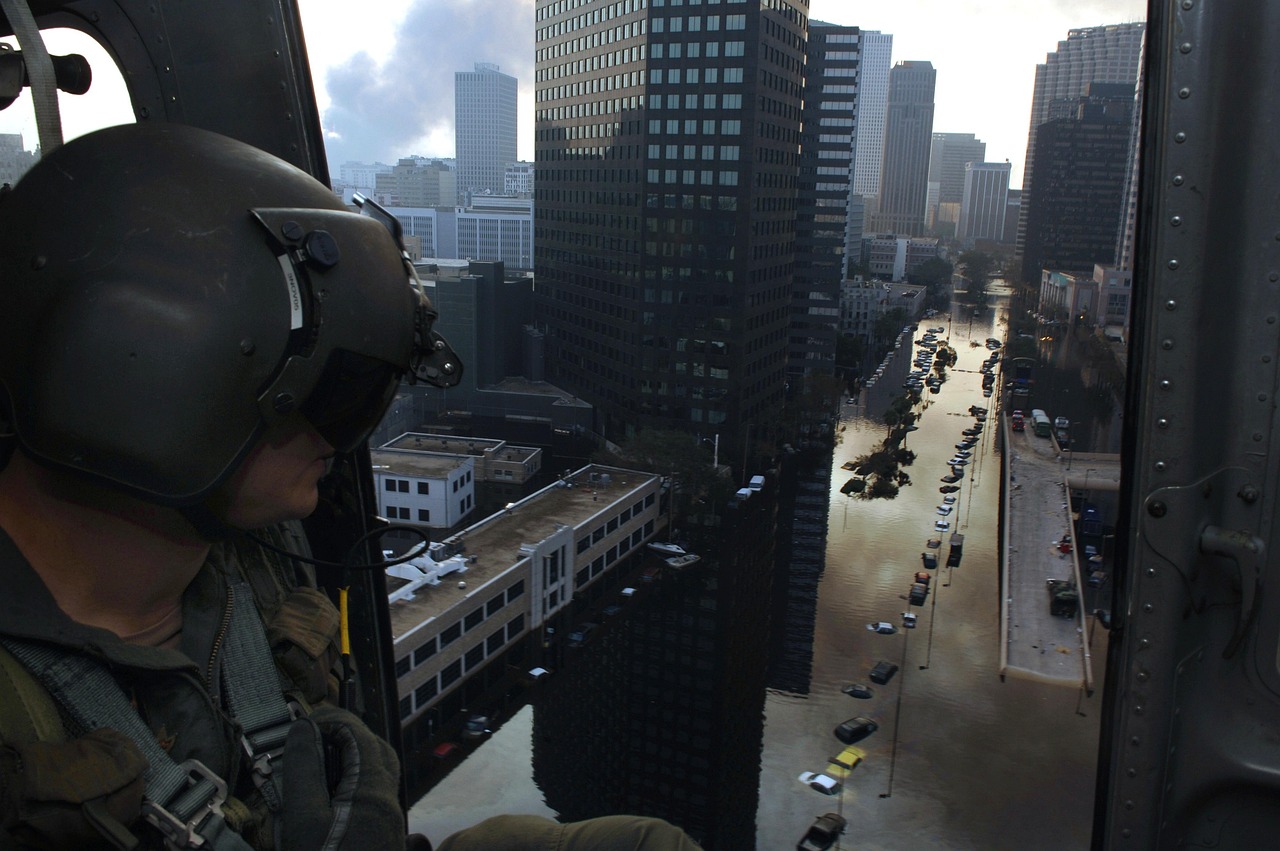

Rescue Dogs in Hurricane Katrina: A Retrospective
The events of Hurricane Katrina in 2005 remain a poignant chapter in the history of disaster recovery. The catastrophic storm led to devastating flooding and destruction, prompting widespread emergency responses. Many people faced challenging scenarios that involved evacuating their homes, often without their beloved pets. As the storm struck, numerous dogs were left behind due to the chaos that ensued, subsequently creating a pressing need for rescue operations to save these animals. Organizations across the country mobilized to assist in rescue efforts, showcasing both community spirit and the power of dedicated volunteers. These brave individuals worked tirelessly to find and save stranded pets during the unfolding disaster. Rescuers faced substantial hurdles including dangerous conditions, flooding, and unstable environments. Many dogs were listed as missing, which made rescue efforts even more complicated. The stories that originated from this period underscore the passion and commitment of those fighting for animal rights. As we look back, it’s essential to remember the lessons learned from this catastrophe, teaching us how to better prepare for the unexpected with regard to animal safety and welfare.
The Hardships Faced by Animals
During Hurricane Katrina, the plight of animal companions was often overshadowed by human suffering. Countless dogs found themselves abandoned, roaming through the debris-laden streets, hungry and scared. Not only did these animals suffer from physical dangers associated with the flooding, but they also endured psychological stress due to the separation from their owners. The aftermath of the storm left these innocent victims in dire need of proper care, nutrition, and shelter. Rescuers faced strenuous challenges in providing medical attention for injured dogs along with safe spaces to shelter those rescued. A vital part of the recovery process involved establishing temporary shelters to accommodate these rescued animals. Additionally, familiarizing the public with these hazards proved essential, starting with an awareness campaign about the importance of pre-disaster planning for pets. Eventually, they restored trust and hope in thousands of situations. Moreover, new communication networks formed within the rescue community enhanced the ability to coordinate rescue efforts, sharing information about dog sightings. The collaborative spirit and adopted strategies emerged as remarkable elements that showcased human compassion toward animals, rekindling faith that all is not lost amidst disasters.
Collaboration Between Organizations
The collaborative efforts seen after Hurricane Katrina led to an unprecedented movement within rescue operations for animals. Numerous organizations dedicated themselves to addressing the urgent situation of abandoned and lost dogs. Groups like the ASPCA and local shelters played pivotal roles by deploying rescuers on-site to help manage the overwhelming number of displaced pets. Furthermore, these partnerships extended into mobilizing transport services to relocate recovered animals to safer environments. Organizing veterinary support for injured dogs also became essential, led by compassionate professionals volunteering their expertise and time. Strong collaborations arose not only among animal welfare organizations but also included community volunteers, positive reinforcement dog trainers, and many citizens passionate about animal welfare. Educational outreach programs followed, reinforcing the importance of preparing for potential disasters. Coordination efforts continued to evolve after the disaster’s conclusion, resulting in more structured responses for future emergencies. Collaboration has proven invaluable in discussing prevention methods and the critical role of species recovery in the face of adversity. The aftermath of Hurricane Katrina stands as a testament to the power of unity in rescuing and helping our four-legged friends thrive.
Amidst the tumultuous chaos of Hurricane Katrina, some remarkable stories of individual dog rescue beautifully highlight the human-animal bond. Many rescuers encountered dogs that had not only survived the storm but also exhibited incredible resilience in extraordinarily challenging circumstances. For instance, one memorable tale involves a group of individuals who ventured into floodwaters to recover a golden retriever that cried out amid the deafening sounds of destruction. These courageous efforts led to the retrieval of the dog and prompted local rescue actions to combat other stranded animals. Countless stories emerged from rooftops, streets, and homes where people risked their lives to save companion animals. The bravery of these dogs also illustrated a unique bond they shared with their rescuers, often forming instantaneous friendships. Moreover, these experiences spurred a push to support both human and animal wellbeing during disasters. Social media began playing a critical role, with viral posts sharing the adoption success stories that unfolded throughout the years. The extraordinary efforts proved how strong connections could survive even the most disastrous scenarios, inspiring hope and change in rescue practices worldwide.
Even after Hurricane Katrina receded, its impacts left a lasting legacy on animal rescue initiatives across America. Reports indicated an increase in the number of people willing to foster pets in the aftermath of the disaster, addressing both immediate and long-term needs. Veterinarians and animal shelters alike stepped up, offering their services to help with the overwhelming number of rescued dogs needing permanent homes. Since then, fostering has become an essential practice, enabling temporary care for overwhelmed shelters during emergencies. Furthermore, legislation seeking to improve animal welfare emerged as an outcome of the tragedy’s consequences. New laws emphasized the necessity of including animals in disaster management plans. Communities began adopting preparedness programs that actively included how to securely evacuate pets in emergencies. Additionally, public support for animal rights groups grew, promoting education around emergency evacuation efforts. Organizations now strive to create awareness and new guidelines for pet owners to ensure safety and wellbeing during unpredictable events. The resilience witnessed during and after Katrina further demonstrates the critical connection between humans and their four-legged companions as a societal commitment.
The heartwarming accounts of dog rescues during Hurricane Katrina energized the rescue community significantly, prompting individuals to become advocates for future resilience. The series of successful rescues showcased a powerful narrative about compassion, bravery, and the drive to protect those who cannot speak for themselves. As communities united for the common cause of animal recovery, new nonprofit initiatives formed dedicated to preparing animal owners for natural disasters. Moreover, the emergence of specialized training programs for rescuers provided practical skills necessary for overcoming difficult situations. With dedicated volunteers overcoming challenging circumstances to help animals in distress, this spirit infused new life into the animal rescue landscape. Other similar disasters underscored the importance of having procedures in place for swift and effective action when faced with emergencies that could endanger animal lives. The journey towards better practices continues as we analyze the past experiences of those involved, learning valuable lessons from countless rescues. The lasting bonds forged amidst crisis serve as reminders of resilience, reminding us why advocating for our furry companions is essential during times of despair. Educational campaigns sparked interest in animal readiness, thereby ensuring that pets remain safe and valued.
Reflecting on the emotional journeys of both rescuers and rescued during Hurricane Katrina reveals a profound testament to how disasters can galvanize communities to protect animals. The stories of survival symbolize unwavering hope, highlighting the importance of empathy within our society. As we remember the disarray caused by the storm, we must also acknowledge the unity it fostered among rescuers, volunteers, and the public. Many once indifferent individuals transformed into advocates for animal welfare, actively raising awareness and encouraging preparedness. The media amplified the particular profiles of rescued dogs, inspiring families to consider adoption beyond the immediate crisis. This momentum laid the groundwork for stronger animal advocacy groups, transforming them into more potent forces. The consequences of Hurricane Katrina led to significant changes in legislations aimed at bolstering animal rights. Emerging frameworks sought not only to protect pets but also involved developing stronger community support networks for future disasters. Moreover, these networks ensured a safe haven for every furry friend in times of need. Charting a course for future action based on lessons learned enhances safety measures for all animals, ultimately reflecting our true commitment to their welfare.
As we move forward from the legacy of Hurricane Katrina, it’s important to continue celebrating the incredible resourcefulness exhibited by rescuers and advocates. Integrating lessons learned into actionable strategies will empower communities to evaluate their level of preparedness for future disasters. As awareness grows, proactive measures become crucial, urging individuals, organizations, and communities to engage in practices that prioritize safety. This surge of collective concern leads to innovations in animal rescue protocols, which help enhance efficiency during emergencies. Additionally, building partnerships between local governments and animal organizations can further drive impactful changes in emergency response strategies for pets. Furthermore, educational resources contribute to raising awareness of the vital need for disaster preparedness for animals. Whether through workshops, community events, or online platforms, sharing knowledge will empower responsible pet ownership that prioritizes ensuring safety during crises. Acknowledging the past provides inspiration for a brighter future, advocating for consistent reform in animal welfare practices. The urgency remains clear: positive change, resilience, and unity can emerge from tragedies. Commitment to these values will enhance our ability to protect and care for our canine friends in times of need, paving the way for a more compassionate society.