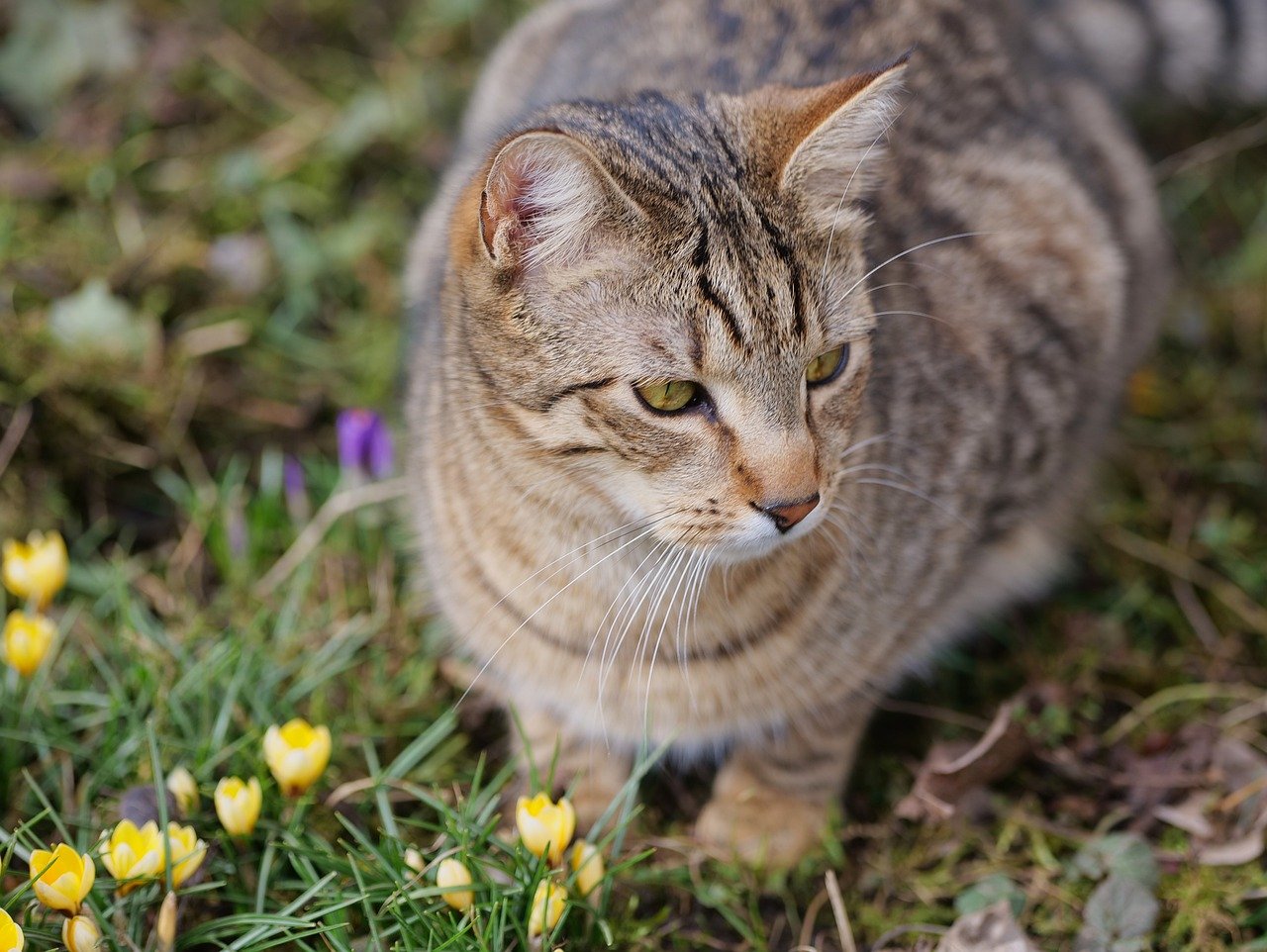

Springtime Travel with Cats: Allergies and Health Tips
Traveling with your cat during springtime can be both enjoyable and challenging, particularly with the potential for seasonal allergies and other health concerns. As flowers bloom and the weather warms, various allergens like pollen become more prevalent. It’s essential to be mindful of how your cat may react to these changes when planning spring excursions. Research indicates that many cats can develop allergies, which may manifest through symptoms like sneezing, itching, or gastrointestinal upset. Carrying a basic health kit, complete with antihistamines approved for feline use, can prove invaluable during your travels. Regular vet check-ups before embarking on trips can help ensure your cat’s health status is optimal. Pay attention to your cat’s behavior, as any sudden changes might signal an allergic reaction or other health issues that require immediate attention. Opt to keep your cat’s environment clean, especially where they will be resting and sleeping, and consider using air purifiers in hotel or rental accommodations. Planning ahead will help ensure your furry friend enjoys safe and comfortable spring adventures with you.
Signs of Allergies in Cats
Recognizing the signs of allergies in your cat during travel is crucial for timely intervention. Cats may exhibit a range of symptoms, most commonly including persistent itching, excessive grooming, or sneezing. Observing these behaviors can help identify whether your furry companion is experiencing allergy issues. Additionally, you might notice redness or inflammation on their skin, especially around the ears and paws. Unexplained vomiting or diarrhea can also indicate that your cat is reacting to an allergen, so it’s wise to monitor their litter box behavior closely. If your cat appears lethargic or unusual in their appetite, these may signal potential allergies or other health problems, necessitating a consultation with a veterinarian. Maintaining a close watch on your pet during travel can help catch any allergic reactions early. Eliminating common allergens when possible, such as pollen or dust mites, can also alleviate discomfort while on the road or at your travel destination. Consider keeping a travel journal to note any changes in your cat’s behavior for easy reference during vet visits.
Preparing for Possible Allergies
preparation is key when taking spring trips with your cat. To minimize potential allergic reactions, start by consulting your veterinarian about preventative measures. They may recommend medication tailored to your cat’s specific needs. Once you’re informed, create a detailed list of items to pack. Incorporate pet-friendly wipes, which can help clean your cat’s paws after outdoor walks, along with any necessary medications. Ensuring your traveling bag contains all essentials aids in reducing stress for both you and your cat. Also, research your destinations and avoid areas with high pollen counts, especially during peak pollen seasons, which can vary depending on the region and climate patterns. When booking accommodations, select pet-friendly hotels or rentals that offer outdoor spaces away from potential allergens, giving your cat area for safe exploration. To create a familiar atmosphere, pack items like their favorite blanket, toys, and bedding. Establishing a comforting travel environment greatly helps cats adapt, reducing stress and promoting overall wellbeing during spring adventures.
Allergies aren’t the only health concern during spring travels; flea and tick infestations are also prevalent during warmer months. Before your trip, ensure your cat is up to date with flea and tick prevention methods. Discuss suitable medications or treatments with your veterinarian to protect your cat before travel. Regularly inspect your cat for signs of flea or tick activity, since these pests can transmit diseases. If your cat spends time outdoors, immediately check for fleas or ticks after outdoor excursions, especially after visiting parks or forests. Keep your pet’s environment clean; regular grooming can help remove loose fur and parasites, reducing the likelihood of allergic reactions or infections. Many pet owners find that natural remedies help maintain their cat’s health while traveling. Consider using itch relief sprays or oatmeal baths if allergies become apparent, as they can soothe irritated skin. Knowing what to look for and how to address any health problems enhance your cat’s traveling experience, making spring adventures enjoyable for both of you.
Final Tips for Safe Spring Travels
To ensure a smooth and enjoyable travel experience with your cat this spring, maintain flexibility in your plans. Cats can be sensitive to sudden changes in their environment, so aim for a conservative itinerary to avoid stress. Frequent breaks during travel allow your cat to stretch, hydrate, and use the litter box comfortably. When identifying a pet-friendly destination, consider the local climate and potential allergens in the area. Opt for locations with pet-friendly parks or outdoor spaces, providing safe environments for exploration. Ensure that your accommodations have suitable amenities for your cat’s comfort, including access to fresh water and a secure sleeping area. Lastly, always plan for emergencies, so be aware of local veterinary services at your destination for immediate assistance. Carry essential documents, such as vaccination records. Keeping your cat’s health a top priority guarantees enjoyable spring trips together. This preparation also fosters a positive travel experience that you and your feline companion will cherish for years to come.
In conclusion, springtime travel with your cat can be full of joyful experiences. Understanding seasonal allergies and taking the necessary precautions can help maintain your pet’s health and happiness while on the road. To recap, always observe your cat for any unusual behavior or health concerns that may arise during travel. Be proactive about managing allergies through proper preparation, including packing health and grooming supplies and ensuring your accommodations are suitable for your cat’s needs. Drive or fly with care, making frequent stops to relieve stress and allow your cat to acclimate to travel conditions. Familiarize your cat with their travel carrier beforehand to reduce anxiety, enhancing comfort during flights or car rides. Your companionship with your pet is valuable, and improving their travel experience will create lasting memories. As you embark on these journeys, remember that a little preparation goes a long way in ensuring your cat enjoys safe spring trips. Keep your destinations in mind and enjoy the adventure together as you explore and bond with each other during your travels.
Taking Care of Your Cat’s Diet
Your cat’s diet is an important aspect to address while traveling during the spring. Changes in environment and schedule can affect their eating habits. During travel, try to maintain their regular feeding routine to avoid digestive issues. Carry their regular food, and consider incorporating healthy snacks to provide comfort and reassurance. Familiarity with flavors and smells can help calm an anxious cat during the trip. Staying hydrated is crucial too, especially if traveling in warmer weather. Always have fresh water on hand, and consider offering wet food if your cat enjoys it. This helps ensure they stay hydrated while away from home. Watch for any changes in appetite or any signs of distress. If your cat refuses food or displays unusual behaviors, consult a veterinarian immediately. Managing your cat’s dietary needs while on the move is essential to promoting their health. This aspect of their care minimizes the effects of travel-related stress. By being mindful of their nutritional requirements, you can enhance your pet’s travel experience, ensuring it’s as enjoyable as possible.
Your journey with your cat this spring can be a memorable one, filled with love and shared experiences. Addressing allergies, diets, and keeping an eye on potential health issues will make any trip more fun and relaxing. Pack your essentials, keep an open mind, and adapt as needed during your travels. This flexibility will assist both you and your pet in navigating the unknowns of spontaneous trips. Observation and care are paramount, ensuring that harmful allergens or health disturbances do not overshadow your adventures. Explore new sights and experiences together, strengthening the bond you share with your feline companion. Every trip can be a learning opportunity, creating beautiful memories for years to come. As you prepare for your spring getaway, incorporate these tips and suggestions to ensure a successful journey filled with safety and enjoyment. Above all, cherish every moment you have with your beloved pet while creating stories to tell about your adventures.