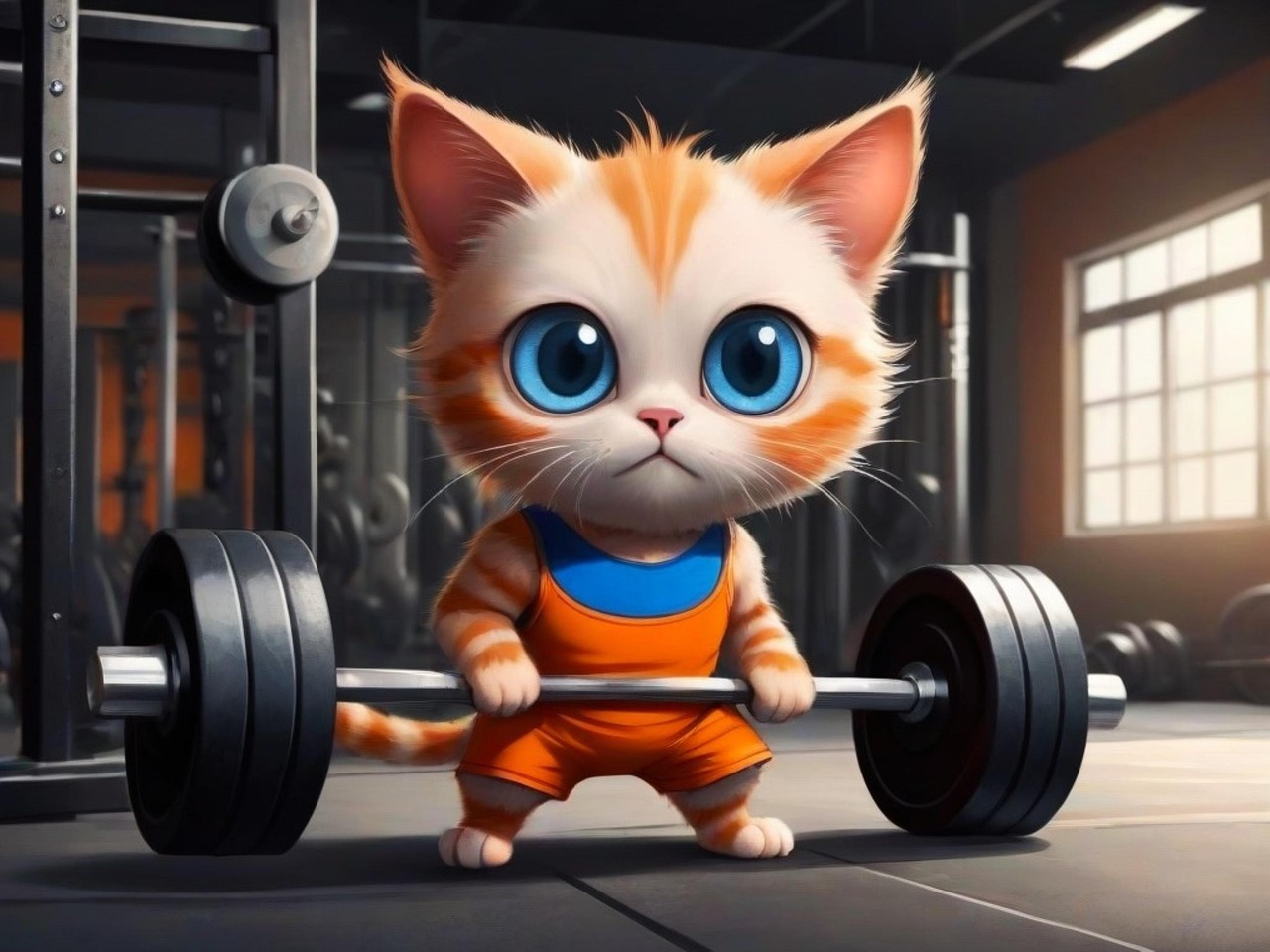

The Science Behind Cats’ Athletic Abilities in Competitive Sports
Cats are fascinating creatures known for their agility and athletic prowess, aspects highlighted in various competitive sports. Understanding the mechanics behind their physical capabilities can enhance our appreciation of feline sports performance. Unlike many animals, cats possess unique muscular structures that allow for explosive movements and remarkable jumps. Their skeletal anatomy is designed for flexibility, enabling quick adaptations during competitive events. The remarkable ability of cats to perform acrobatics relies heavily on their strong hind leg muscles. Additionally, their keen sense of balance plays an essential role in maintaining stability and precision. Transitioning skills from natural hunting behaviors to competitive formats allows them to excel in agility competitions. Modern training methods emphasize the importance of conditioning and proper nutrition, essential elements for competitive success. Enthusiasts often document their favorite cat athletes and the training routines that lead to their accomplishments. Moreover, various feline sports organizations promote competitive events across jurisdictions, fostering a sense of community amongst cat lovers. As athletes, cats showcase their innate abilities, demonstrating why they are an integral part of the animal sports world. Witnessing their talent inspires both admiration and enthusiasm among spectators and competitors alike.
The inherent agility of cats translates into impressive performance in agility sports that mimic their natural instincts. In these events, cats navigate through obstacle courses that include jumps, tunnels, and weave poles. Competitors are often in awe of how quickly and efficiently cats can maneuver through complex setups. The training required to participate in these events focuses on developing core strength, coordination, and mental agility. Owners frequently use positive reinforcement techniques to motivate their feline friends, resulting in successful results during competitions. Success stories of remarkable cats abound, with many achieving accolades and recognition in various events. The bond between cats and their trainers fosters a supportive environment, encouraging both parties to excel further. Participants often share their experiences, deepening community engagement and knowledge sharing about effective training practices. By witnessing the athletic talent exhibited, many find themselves inspired to train their own cats. The rise of cat sports has also cultivated a growing audience, sparking increased interest in feline athleticism across diverse platforms. As more people engage in these exciting activities, awareness and appreciation for cats’ capabilities continue to flourish around the world.
Many myths surround the notion of a cat’s athleticism, often leading to misconceptions about their ability to participate in competitive sports. One of the most prevalent misconceptions is that only certain breeds possess such athletic capabilities. However, it is essential to recognize that any cat, regardless of its breed, can demonstrate remarkable skills when trained correctly. Training can begin at a young age, with many cats showcasing an eagerness to participate in sports activities. Proper nutrition and exercise routines contribute significantly to developing athletic prowess in cats, promoting overall health alongside agility. Owners often find joy in watching their pets thrive in competitive settings, forging strong bonds through training and participation. Many sports organizations have adopted rules and guidelines for various events, ensuring all breeds are welcomed and can compete fairly. Competitions can vary from local clubs to international events, offering platforms for cats to showcase their skills. Through these events, the myths surrounding feline athleticism are dismantled, revealing the true potential within every cat. As more owners and enthusiasts engage with these sports, the spotlight shines brighter on the diverse talents our feline companions possess.
Training Techniques for Competitive Felines
Effective training techniques uniquely benefit competitive felines, laying the foundation for their success in various sports. Training sessions are often tailored to accommodate the individual cat’s personality and needs, fostering a positive experience. Owners are encouraged to establish trust and rapport during the training process to enhance their feline companions’ willingness to learn. Incorporating playtime as part of the training can boost motivation and reinforce positive behaviors. Utilizing treats or toys as rewards is also highly effective, encouraging cats to perform necessary tasks within the framework of the competition. Gradual progressions in obstacles and expectations allow the cat to build confidence while refining their skills. Consistent routines aid in creating familiarity, reducing anxiety often related to competitive environments. Alongside physical training, mental challenges play a vital role, stimulating their intelligence and problem-solving skills. Socialization with other cats and humans can further enhance adaptability, promoting overall prowess during competitions. Ultimately, the key to successful training lies in patience, persistence, and understanding the unique characteristics of each feline athlete. By focusing on these principles, trainers can nurture truly remarkable performances in their feline companions.
Nutrition plays an integral role in enhancing the athletic potential of competitive cats, impacting their performance significantly. A balanced diet rich in essential nutrients supports their overall health and energy levels, crucial for engaging in high-demand activities. Some owners may choose to collaborate with veterinarians or pet nutritionists to formulate the best diet plan for their athletes. High-quality protein sources serve as the foundation of their meals, promoting muscle development and recovery. Incorporating omega fatty acids can contribute to improved coat condition and overall well-being, essential for maintaining competitiveness. Hydration is another critical factor, ensuring cats can stay energized throughout their training sessions. Owners need to monitor their cats’ water intake more diligently during periods of intense activity. Specialized supplements geared towards feline athletes may also contribute positively to performance and recovery times. Paying close attention to body condition can help owners quickly identify any necessary adjustments to their cats’ dietary routines. Through thoughtful consideration of nutrition, owners can significantly enhance their cats’ performance, resulting in impressive showings in various athletic contests. As the world of cat sports continues to evolve, the understanding of proper nutrition will play a crucial role in future success stories.
The Future of Cat Sports
The future of cat sports appears promising, fueled by the growing interest and participation in competitive events. As more pet owners discover the exciting prospects of training their cats, platforms and resources increasingly support these endeavors. Emerging technologies are revolutionizing how training and competitions are organized, enhancing the experience for both participants and spectators alike. Innovations such as live streaming make it easier for people worldwide to witness exciting competitive moments, fostering a global community of cat sports enthusiasts. Additionally, advancements in official regulations foster a more structured environment where cats from all backgrounds can compete fairly. The rise of social media has also played a crucial role in promoting individual successes, frequently establishing new feline celebrities within the competitive realm. With monthly competitions and events becoming more commonplace, various organizations continue to thrive and expand their reach. As the popularity of cat sports grows, the development of workshops and seminars focused on training techniques and best practices is anticipated, attracting both seasoned owners and newcomers alike. With dedicated communities and passionate individuals behind it, the world of cat sports will undoubtedly continue to flourish in promising directions.
Feline athletes often exhibit extraordinary qualities, inspiring countless individuals to involve their pets in sports. Enhanced understanding of their physical capabilities, combined with dedicated training, can lead to substantial success stories that resonate within communities of cat lovers. As interest in competitive cat sports continues to rise, resources are increasingly shared among trainers, owners, and enthusiasts. The collaboration promotes a sense of unity, highlighting unique experiences and methodologies tailored toward achieving exceptional results. Testimonies from successes not only inspire others but help to dispel remaining misconceptions about cats and competitive events. Overcoming obstacles may enhance resilience amongst competitors, creating remarkable narratives of triumph. Celebrating these stories contributes to a broader appreciation of feline athleticism, enticing new participants to join the ranks of devoted cat sports enthusiasts. The rich tapestry of experiences shared within this community has the potential to elevate the status of cats beyond ordinary pets. This increasing visibility fosters awareness of the extraordinary talents showcased in athletic environments, allowing many to discover the joy and camaraderie that cat sports can offer. Involvement in cat sports is transforming perceptions, creating a vivid landscape that celebrates the remarkable tenacity of our feline companions.
Ultimately, the scientific exploration of cat athletic abilities illustrates the fascinating convergence of nature, training, and motivation. Continued research into genetics and physical conditioning will unlock even deeper insights into what makes cats extraordinary athletes. By understanding the fundamental mechanics governing their potential, trainers and enthusiasts can develop optimized methods that highlight their strengths and abilities. Recognizing the bond forged through shared experiences between cats and their owners underlines the significance of companionship in driving excellence. The role of community engagement highlights the importance of collaboration amongst those involved in feline sports. As knowledge and passion intertwine, expectations for the future of cat athletes will only continue to grow. Expanding involvement across various competitive sports can lead to increased support for cats everywhere, inspiring change and growth within the athletic world tailored for these incredible creatures. The impact of these feline competitors will resonate within broader conversations about animal capabilities and the evolution of sports. Together, we can champion cat athletes to reach new heights while appreciating the special qualities that make them exceptional members of our lives and communities. Engaging with the world of cat sports opens doors to unique experiences, fostering a lasting appreciation for their amazing athleticism.