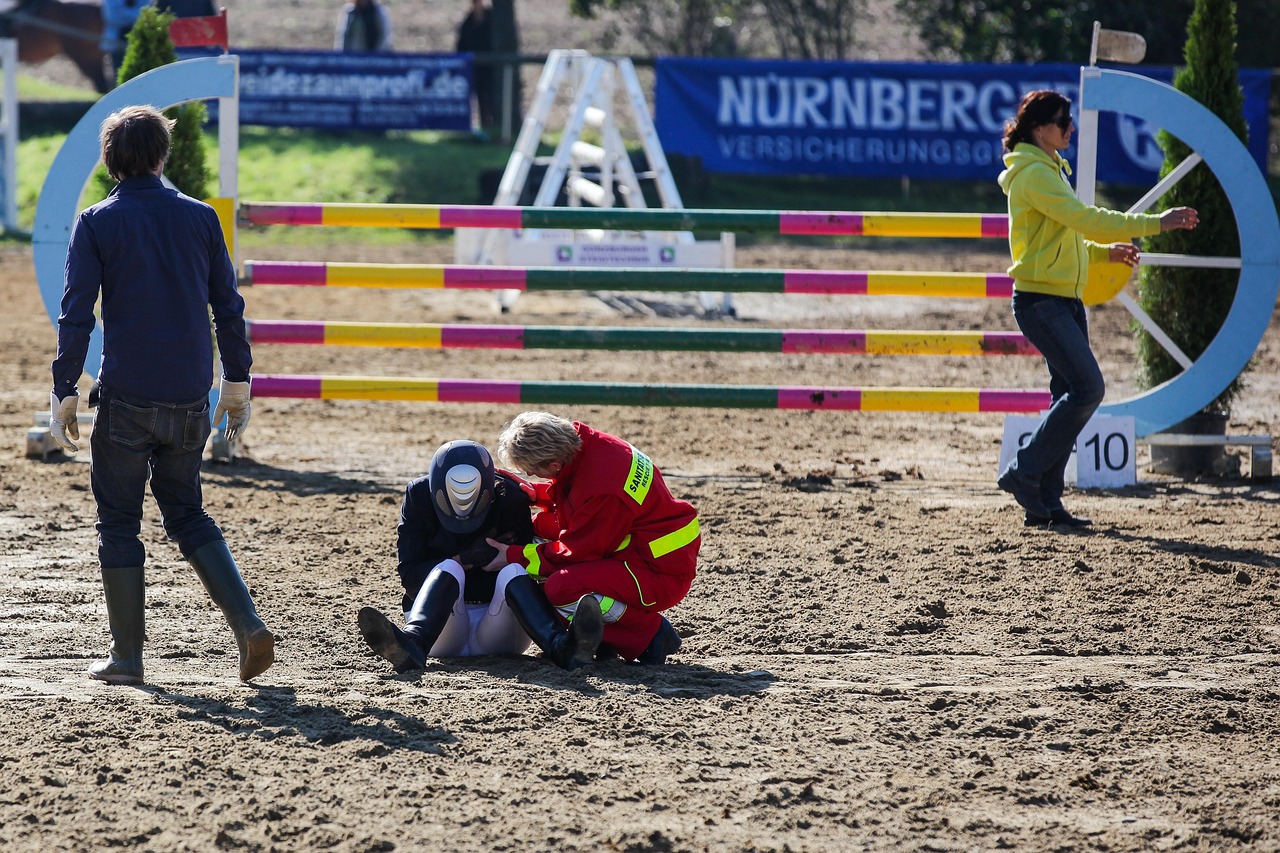

First Aid Basics for Dog Sports Enthusiasts
Engaging in dog sports can be exhilarating for both the dog and owner. However, it also comes with its share of risks. A solid understanding of first aid basics is crucial for dog sports enthusiasts ensuring the well-being of their canine partners. Whenever participating in dog sports, having a first aid kit readily available is essential. This kit should be tailored to address the unique needs of canine athletes, including tools and supplies specifically necessary for treating common injuries seen in sports like agility, flyball, or obedience competitions. Essential items to include are bandages, antiseptic wipes, gauze pads, and surgical tape. Additionally, knowing the appropriate way to dress a wound can significantly help in minimizing the risk of infection and accelerating recovery. Another vital aspect of first aid is recognizing the signs of injury or distress in dogs. Before participating in any sports, owners should familiarize themselves with basic canine anatomy to better identify potential issues. Lastly, consider enrolling in a dog-specific first aid course, enhancing preparedness for emergencies. This proactive approach will elevate not only safety but overall health consciousness during sporting activities.
Before participating in dog sports, veterinary evaluations should be routine. Regular vet check-ups can ensure your dog is fit and ready for the physical demands of competitions. A physical exam can help identify any underlying health issues that might pose a risk during training or events. Additionally, proper vaccinations and preventive care minimize health threats, including kennel cough or parasites during sport-related gatherings. Moreover, understanding breed-specific health concerns is vital; certain breeds may inherit conditions that restrict their performance in specific sports, so being aware enables better management of their training. Hydration is equally essential when engaging in any strenuous activity, so ensure your canine athlete has access to clean water throughout. Dogs can easily become dehydrated during training, so keeping an eye on their water intake is crucial. Always bring water along or have access to it during sporting exceptional events, thus preventing overheating or heat strokes, which can be life-threatening emergencies. Furthermore, after a vigorous workout, allowing adequate rest and recuperation time is crucial for muscle recovery. Owners should monitor their dogs closely following any strenuous activity to assess how they recover.
Recognizing Common Injuries
Understanding the types of injuries dogs may incur during sports activities allows owners to be better prepared for emergencies. Common injuries range from sprains to cuts and abrasions, with each requiring a unique response. Sprains often occur when dogs perform sudden movements or jumps, leading to ligament damage. Recognizing signs such as limping or hesitance to put weight on a limb enables you to address the injury promptly. Cuts and abrasions are also prevalent, resulting from direct contact with rough surfaces or other dogs. If you notice your dog has sustained a cut, immediately clean the wound with saline solution, and if necessary, apply a sterile bandage to protect it from further trauma. Additionally, keep a close eye on your dog’s paws, as they can easily sustain injuries during activities. Ensure you regularly check their feet for any signs of cuts or foreign objects lodged in them. If bleeding persists for more than several minutes or appears severe, contacting a veterinarian should be your next step. Understanding these common injuries and their symptoms prepares owners for quick intervention, ultimately minimizing the potential for severe damage.
Taking preventive measures reduces the odds of injury while participating in dog sports. Warm-up exercises are critical, allowing dogs to stretch and gradually increase blood flow to their muscles. A well-structured warm-up routine prepares their body for the physical exertion ahead. Moreover, always monitor your dog during participation to identify any signs of strain or fatigue. Do not hesitate to stop the activities if your dog shows reluctance to continue, as pushing them can cause injuries or overexertion. Furthermore, creating a reliable safety plan is recommended, including contacts for veterinary services and knowledge about the nearest emergency animal clinic. This ensures swift action can be taken when required. Additionally, an open line of communication with your veterinarian helps reinforce your understanding of managing any first aid emergencies. Also, consider networking with fellow sports enthusiasts to exchange insights on best practices regarding dog safety. This community involvement fosters a supportive environment focused on enhancing dog welfare. Sharing experiences and preventive strategies further enriches owners’ knowledge, ensuring overall safety and proactive management within the sport.
Contents of Your First Aid Kit
A properly stocked first aid kit is a must-have for dog sports enthusiasts. Aside from basic human first aid supplies, it should be curated specifically for canine needs. Essential items include a digital thermometer, antiseptic solutions, and adhesive bandages designed for pets. He most vital tool might be a muzzle; even the most tame dogs can bite when in pain. Don’t forget to include flexi or gauze wraps, which assist in protecting injuries from dirt and irritants while promoting healing. Additionally, a pair of scissors with rounded edges can help cut bandages or fur that may hinder treatment. Most importantly, ensure your first aid kit contains the contact information of your veterinarian, emergency animal clinic, and poison control hotline, providing peace of mind during any unexpected incidents. It’s also beneficial to have instructional material regarding canine first aid, helping owners act swiftly and knowledgeably when emergencies arise. Tailoring your first aid kit specifically for dog sports will empower you to provide the immediate care necessary, enhancing your dog’s chance of recovery from injuries sustained during competition or training.
As a dog sports enthusiast, knowing basic medical procedures can save your dog’s life. Being well-versed in CPR and the Heimlich maneuver adapted for dogs is critical. If a dog is choking, performing the Heimlich maneuver can dislodge any obstructions causing distress. For CPR, remember to alternate between chest compressions and giving rescue breaths while ensuring no air is blocked from entering their lungs. Additionally, gauge your dog’s pulse to detect any emergencies that require immediate action. Familiarizing yourself with the correct location to find the pulse in dogs can help during critical situations; this can usually be found along the inner thigh or under the foreleg. Moreover, don’t forget psychological support, as your dog can sense your emotions during a stressful situation. Remaining calm fosters a better environment for both you and your pet. Being equipped with knowledge about first aid empowers dog owners to handle emergencies confidently. Furthermore, sharing this knowledge within the dog sports community can create a safer atmosphere during events. Continuous education and preparation foster a protective environment for every canine athlete.
Summary and Conclusion
In conclusion, ensuring a dog’s safety while engaging in sports requires prior preparation and knowledge. Emphasizing the vital importance of a first aid kit, regular veterinary visits, and familiarity with potential injuries prepares sports enthusiasts for unforeseen incidents. Knowing how to respond promptly and effectively can drastically improve outcomes for injured or distressed dogs. Moreover, participating in dog sports not only strengthens the bond between owner and dog but also emphasizes the responsibility owners hold towards their pet’s health. Networking with fellow enthusiasts can enrich your understanding of best practices, while sharing insights promotes a collective commitment to safety. In addition, acquiring essential first aid skills can empower owners during emergencies, allowing for immediate actions that could save a life. Make education a priority by taking courses that enhance your ability to manage canine sport-related injuries effectively. With the right tools and knowledge, dog sports can be enjoyed while ensuring a greater focus on safety and health. Always remember that the welfare of your pet supersedes the thrill of competition, and prepare accordingly to create safe, positive experiences in dog sports.
As a final note, keeping the dialogue going on topics of dog safety fosters a motivated community dedicated to improving the treatment and care of canine athletes. With knowledge shared across platforms and events, we can unite in our goal to provide a safer environment for all. Whether it’s local training sessions or larger competitions, prioritizing health and safety will ensure everyone gets the best experience, solidifying the life-long bond between dogs and their owners. Remember, every sport carries a responsibility, and being proactive ensures a positive atmosphere, where dogs can thrive and flourish in their chosen activities. As you delve deeper into dog sports, take pride in your role as an informed owner, ready to tackle challenges while keeping your furry friend safe. Embrace the community’s support, knowing that you are part of something bigger. Together, we can elevate dog sports while valuing the health and well-being of our pets, leading to enjoyable and fulfilling experiences for all involved.