
Safe Grooming Techniques for Dogs with Special Medical Conditions
Grooming dogs with special medical conditions requires a careful approach that prioritizes their safety and well-being. When grooming such dogs, first assess their specific health issues, which may include skin sensitivities, mobility challenges, or other physical limitations. It is essential that you use gentle products, which are specifically designed for sensitive skin. Materials like hypoallergenic shampoos, soft grooming tools, and non-irritating conditioners are great for minimizing skin reactions or stress. Additionally, dogs with special needs might be easily overwhelmed; therefore, creating a calming environment is crucial. Play soft music or use soothing scents to help reduce anxiety during grooming sessions. Getting your dog accustomed to grooming gradually will help ease their fears. Start with short sessions that focus on familiar areas, slowly expanding as they become more comfortable. Remember to communicate with your dog reassuringly throughout the process. If your dog has mobility issues, offer supportive harnesses during baths or nail trims, or consider professional groomers who specialize in handling dogs with such conditions to ensure proper care and comfort.
For dogs with arthritis or other mobility problems, safety is paramount during the grooming process. Ensure your grooming area has adequate support where they can sit or lay down comfortably. A non-slip mat can provide traction and help your dog feel stable while being groomed. Be sure to keep grooming sessions short, as prolonged sessions can lead to fatigue. Regular breaks can be beneficial, allowing your dog to rest between grooming tasks. When handling a dog with joint issues, a gentle touch is vital; use slow movements to avoid causing pain. Always watch for signs of discomfort, such as whimpering or restlessness, and stop immediately if your dog appears uncomfortable. Consider using grooming tools designed for easy handling, such as pressure-less clippers and lightweight brushes. It’s essential you remain aware that dogs with low mobility might get tired quickly, so having everything you need close by will help improve efficiency. Always have treats on hand to reward good behavior and maintain a positive atmosphere during the entire grooming process.
Common First Aid Techniques for Grooming
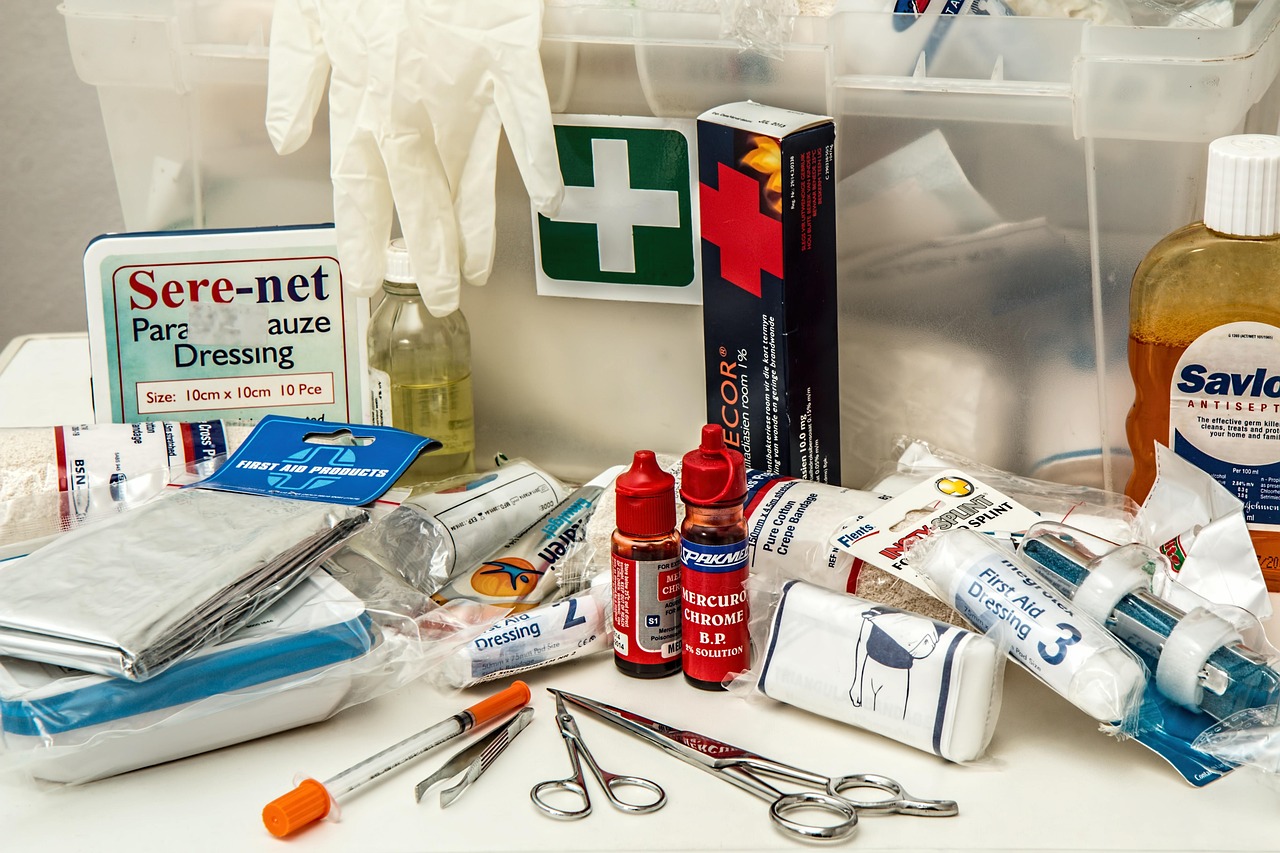
Being prepared to administer first aid during grooming is critical when caring for dogs with special medical issues. Accidental cuts or scrapes can occur, especially when using clippers or scissors, so having a first aid kit nearby is essential. This kit should contain antiseptic wipes, gauze, adhesive bandages, and a clipper guard crucial for safe trimming. Apply antiseptic wipes gently to any wounds and cover them with gauze to prevent infection. If your dog is prone to anxiety, using a muzzle might be necessary for their safety, especially if they react unexpectedly to grooming tools. Never force a muzzle onto an anxious dog, as this could cause distress; instead, slowly acclimate them to it. Being aware of your dog’s reaction to these situations is important. If your dog appears overly stressed, consider consulting with your veterinarian for recommendations on desensitization techniques or calming aids, which may make grooming sessions more enjoyable for both of you. Always remember that safety should come first, and maintain a calm demeanor yourself during grooming.
For dogs with skin conditions, grooming must be approached gently and with specialized care. First, check with your veterinarian about the specific skin condition your dog has and follow their advice regarding grooming routines. Using medicated shampoos may be necessary, but it’s critical to apply them correctly and rinse thoroughly to avoid irritation. Pay special attention to areas that your dog is prone to scratching or licking, as these areas may require extra care. Gently comb out any mats or tangles to avoid pulling on the skin, which can exacerbate irritation. Be sure that any equipment used is sanitized and that your dog is surrounded by a clean environment to minimize bacteria and respond to their skin condition. Establishing a grooming schedule allows for consistent care and helps in monitoring changes to the skin. Always observe your dog’s behavior during grooming to detect any positive or negative changes in their physical condition. If you notice increased redness, itching, or discomfort, consult your veterinarian for advice or to adjust your grooming methods.
Understanding the Use of Sedatives During Grooming
In certain cases, dogs with special medical conditions may require sedatives to ensure their safety during grooming, given their potential anxiety or stress. If you believe sedatives might be useful for grooming sessions, speak with your veterinarian for guidance. They can recommend appropriate medications and dosages based on your dog’s overall health, age, and specific conditions. When administering sedatives, it’s critical to follow veterinary guidelines closely since improper use can lead to complications. Ensure that the dog fully recovers from the sedative before any grooming procedures. Always monitor your dog during grooming when they are sedated, as they may not respond to discomfort or pain in the same way. Preparing for these sessions by having all grooming tools readily available will help make it easier to manage the process. Choose a quiet, safe space free of distractions to help maintain their relaxation. After grooming, provide a comfortable area for them to recover, and give them plenty of praise for a job well-done to reinforce positive feelings surrounding the grooming experience.
Lastly, educating yourself and others about grooming safety for dogs with medical conditions is invaluable. Workshops or online courses on dog grooming can offer insight into best practices for sensitive situations. Connect with other pet owners or professionals who share the same experiences through social media or local groups. Sharing knowledge about grooming tips, products, and safety measures can be beneficial. Furthermore, your veterinarian can also recommend resources pertinent to specific medical conditions, ensuring you have all necessary information to best care for your dog. During your grooming routines, document any noticeable improvements or aggravations to empower your decisions in the future. This information can be invaluable in your conversations with your vet, especially if seeking tailor-made grooming plans. You might also explore products intended for special medical conditions, as there are numerous items specifically designed for sensitive needs. Ultimately, being proactive about your dog’s grooming safety involves maintaining open communication with your veterinarian, learning best practices, and sharing experiences with fellow dog owners to enhance your skill set.
In conclusion, grooming dogs with special medical conditions presents unique challenges but can be tremendously rewarding when done correctly. Prioritizing their safety, comfort, and well-being is essential throughout the process. Using the right materials, understanding their specific needs, and fostering positive experiences can lead to a much more enjoyable grooming session for both the dog and groomer. Make use of professional support when necessary and never hesitate to consult with experts when doubts arise regarding specific grooming techniques or products. This approach ensures effective care while promoting health and comfort. Always stay observant and pay close attention to your dog’s behavior and body language to facilitate a successful grooming experience. Communication is critical, and establishing a trusting relationship with your dog and your team will yield the best results. With care and attention, you can provide them with excellent grooming while being attentive to their medical issues. Remember, grooming is not just about aesthetics; it’s about their health, happiness, and overall quality of life.
Safe Grooming Techniques for Dogs with Special Medical Conditions
Grooming dogs with special medical conditions requires a careful approach that prioritizes their safety and well-being. When grooming such dogs, first assess their specific health issues, which may include skin sensitivities, mobility challenges, or other physical limitations. It is essential that you use gentle products, which are specifically designed for sensitive skin. Materials like hypoallergenic shampoos, soft grooming tools, and non-irritating conditioners are great for minimizing skin reactions or stress. Additionally, dogs with special needs might be easily overwhelmed; therefore, creating a calming environment is crucial. Play soft music or use soothing scents to help reduce anxiety during grooming sessions. Getting your dog accustomed to grooming gradually will help ease their fears. Start with short sessions that focus on familiar areas, slowly expanding as they become more comfortable. Remember to communicate with your dog reassuringly throughout the process. If your dog has mobility issues, offer supportive harnesses during baths or nail trims, or consider professional groomers who specialize in handling dogs with such conditions to ensure proper care and comfort.