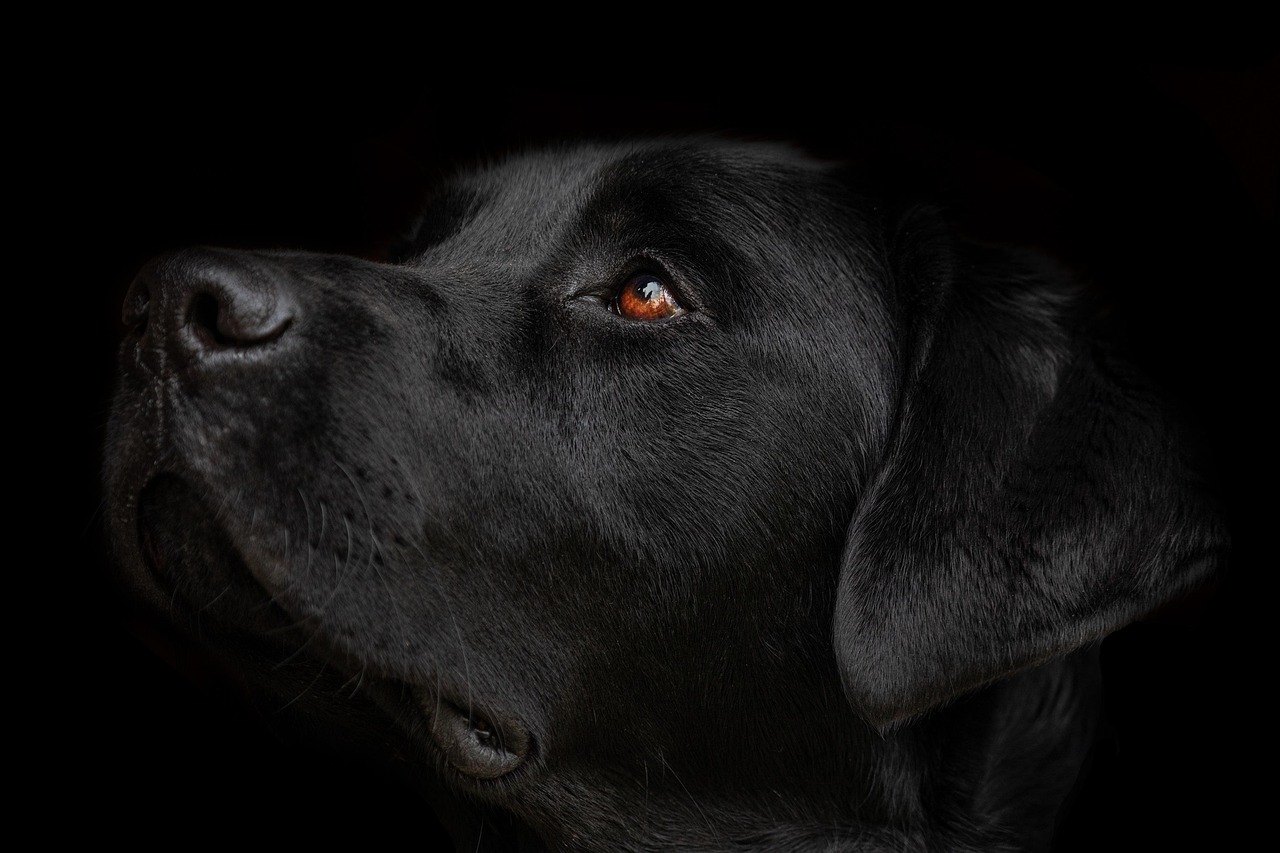

Understanding Stress Signals in Dogs During Photoshoots
Photography is an exciting endeavor, yet it can be stress-inducing for dogs. Understanding your dog’s behavior is essential for capturing that perfect shot. Dogs communicate their feelings through body language, and recognizing these signals can make a difference. Some common signs of stress include panting, excessive yawning, or attempts to hide. Other indicators might involve avoiding eye contact or turning away from the camera. By noticing these behaviors, you can adjust your approach to ensure your furry model feels comfortable and safe. Frequently providing breaks during the shoot helps alleviate anxiety as well. Additionally, employing positive reinforcement, such as treats or praise, creates a more enjoyable atmosphere. It is vital to recognize each dog’s unique demeanor since not all dogs exhibit the same signs when stressed. Some breeds may be more prone to anxiety. Learning distinct behaviors specific to your dog will enhance your photographic experience. Regular acclimatization to a camera can help desensitize them. Dogs should associate the camera with fun rather than stress, fostering relaxation during shoots.
Another important aspect is the environment in which you photograph your dog. A familiar setting, such as home or the backyard, often leads to more relaxed poses. Distant or loud noises, unfamiliar locations, and other animals can heighten anxiety levels. Choose a quiet, controlled setting for your photoshoot. Assess the outdoor space for distractions that might cause stress. An enclosed area can provide a sense of security for your dog. At times, even the equipment can induce apprehension; be mindful of how your dog reacts to the camera. This consideration is crucial, especially if using flash or tripod sounds that might startle them. Gradually introducing the equipment can help familiarize your dog, making them more relaxed. Let them sniff the camera and observe it from a distance. This allows them to build trust and lessen fear. Positive associations can be developed through treats and calming voices. Ensure the dog feels positively about its environment. Gradual exposure will pay off when it’s time to capture the perfect picture. Paying attention to their needs and comfort is critical in achieving fantastic photography results.
Recognizing Key Stress Signals
Recognizing key stress signals can enhance the photography process significantly. A dog’s posture often serves as a reliable indicator of its mood. For instance, a dog that tucks its tail or lowers its body shows signs of fear or discomfort. On the other hand, a wagging tail does not always indicate happiness; sometimes, it signifies anxiety. Elevated fur along the spine is also a clear sign of stress. Observing a dog’s ears can provide further insight: ears pinned back indicate a lack of comfort while forward-facing ears suggest engagement. Pay attention to how your dog reacts during the photo shoot. Your goal is to create a calm setting that encourages natural behavior. Make sure to keep the sessions short to avoid overwhelming the dog. Always be ready to pause and give them space if needed. Offering time for breaks can help them return to a more relaxed state. Additionally, interacting with playful activities between shots keeps the mood light. Consistently monitoring these signals allows you to adjust your approach, leading to more successful photography outcomes while prioritizing your dog’s emotional needs.
Creating a positive bond with your canine companion can also alleviate stress during photoshoots. Dogs are inherently social animals that thrive on companionship and trust. Establishing a robust bond can help your pet feel secure during the photographic session. Begin with simple obedience training or interactive play at home. These activities enhance trust and strengthen your connection, preparing them for the camera experience. Use enticing toys or their favorite treats during these shared moments. Familiarity removes some of the apprehension the dog might associate with the camera. Be patient and encouraging, offering gentle guidance throughout the process. Emphasizing positive experiences can lead to a more enjoyable atmosphere overall. Allow them to express themselves naturally rather than forcing them into poses. Taking candid shots can yield stunning results while making it feel less like a chore. Celebrate the achievements, regardless of perfection. After all, the journey matters more than the outcome. Combine fun and training to gradually introduce your dog to what lies ahead. With each successful session, your dog will likely become more comfortable in front of the lens, enhancing your photography skills as well.
Effective Techniques for Stress Reduction
Utilizing effective techniques for stress reduction can significantly enhance your dog-friendly photographs. One of the most important techniques is to maintain a calm demeanor yourself. A relaxed owner creates a reassuring atmosphere for the dog. Dogs are acutely aware of human emotions; thus, projecting a sense of ease can promote tranquility in them. Additionally, consider employing soothing background music, as it often calms anxious dogs. The right ambiance can encourage your pet to settle down, making them easier to photograph. It’s also beneficial to have someone assist you during the session. An extra pair of hands can help keep your dog occupied and engaged, particularly if treats or toys are involved. Use soft-spoken commands to guide your dog. If the prompt reacts positively, reinforce that behavior with rewards or praise. Gradually increasing exposure time to the camera can also contribute to reducing anxiety. Each positive experience lays the groundwork for future sessions, paving the way for comfort and confidence in front of the lens. Prioritizing stress reduction techniques is essential for maintaining your dog’s well-being during photoshoots. A happy dog will lead to stunning photos.
Another significant point to consider is timing during the photoshoot. Scheduling sessions at your dog’s most active times can yield better results. If your pet tends to be energetic in the morning, planning shoots around that time would be advantageous. Ask yourself questions about their daily routine and preferences. By observing these patterns, you can effectively plan your photography sessions to maximize cooperation. Alternatively, if they tend to slow down later in the day, adapting to that rhythm ensures they maintain energy levels without becoming overwhelmed. Feel free to adapt the sessions according to your dog’s needs. Frequent breaks are essential during shoots, allowing your dog to recharge. Have water readily available, as dehydration can also lead to irritability. Be keen on identifying signs of fatigue and be ready to wrap things up when necessary. Your dog’s well-being should always come first; this principle applies to photography, too. Keeping the sessions flexible caters to their mood and energy, leading to better photo opportunities. A more relaxed dog will reflect positively on the pictures, showcasing their unique personality beautifully.
Post-Shoot Care for Your Dog
Post-shoot care for your dog is as vital as preparing for the photoshoot. After capturing stunning images, ensure that your furry friend receives proper attention and care. This recovery period is essential for maintaining your dog’s emotional well-being. After intense sessions, dogs may experience fatigue or soreness, requiring relaxation and gentle attention. Provide an opportunity to unwind in their favorite place with comforting activity. Following the photo session, spend peaceful moments with your dog, be it a light massage or some quiet play. This not only helps them recover but also reinforces trust. Make sure to check in on their mood throughout the evening. Utilize this time to assess behavior changes or stress signals before bed. Providing basic needs such as food, water, and bathroom breaks helps ensure their comfort post-shoot. Document the pictures taken to find joy in the experience together. Ending the day with loving congratulations will continue building their confidence. By reinforcing positivity after each session, you ensure that the experience remains enjoyable. A committed approach to caring for your dog leads to future successful photoshoots, emphasizing a lifelong bond between you and your pet.
When embarking on the journey of dog photography, creating a supportive environment is essential for both you and your canine companion. Stress during photoshoots could lead to discomfort, impacting the quality of the photographs. Dogs express anxiety visually, showcasing various signals through their posture and actions. Recognizing these signals is crucial in making necessary adjustments during the shoot. An adequate understanding of common stress indicators is the foundation for a successful session, as dogs may communicate unease in subtle ways. Identifying these signals allows you to respond accurately, preserving your dog’s comfort and security. Symptoms like pacing, negative responses to commands, and avoidance behaviors warrant immediate attention. Taking notes on your pet’s usual behaviors can help in predicting their responses during photo shoots. Focus on maintaining an atmosphere that fosters confidence through praise and reinforcement. Mixing treats or their favorite toys can distract and engage them effectively. Adjust your techniques based on what you observe to make the session enjoyable. Flexible shooting schedules accompanied by familiar locations may further diminish stress levels, ultimately leading to happier and healthier outcomes for your furry model. Remember, a relaxed dog results in vibrant photos that capture their personality beautifully.