
Blending Essential Oils for Effective Cat Aromatherapy Sessions
Aromatherapy for cats is becoming increasingly popular, as pet owners explore natural methods to promote their feline friends’ well-being. Essential oils can provide a soothing atmosphere, enhance relaxation, and even alleviate stress in cats. However, not all essential oils are safe for our furry companions. It’s crucial to choose oils specifically formulated for pets. Some of the most beneficial essential oils include lavender, chamomile, and bergamot. Done correctly, aromatherapy can create positive effects. Always remember to dilute essential oils before usage, as concentrations that are safe for humans can be harmful to cats. Cats have a heightened sense of smell, so less is often more when it comes to essential oils. Another aspect to consider is the method of application. You can use diffusers specifically designed for pets, or you can create scent-infused cotton balls. Always monitor your cat’s reaction and consult your veterinarian for professional advice. Gradual introduction can help your cat acclimate to these new scents, ensuring their comfort during sessions that incorporate aromatherapy into their routine.
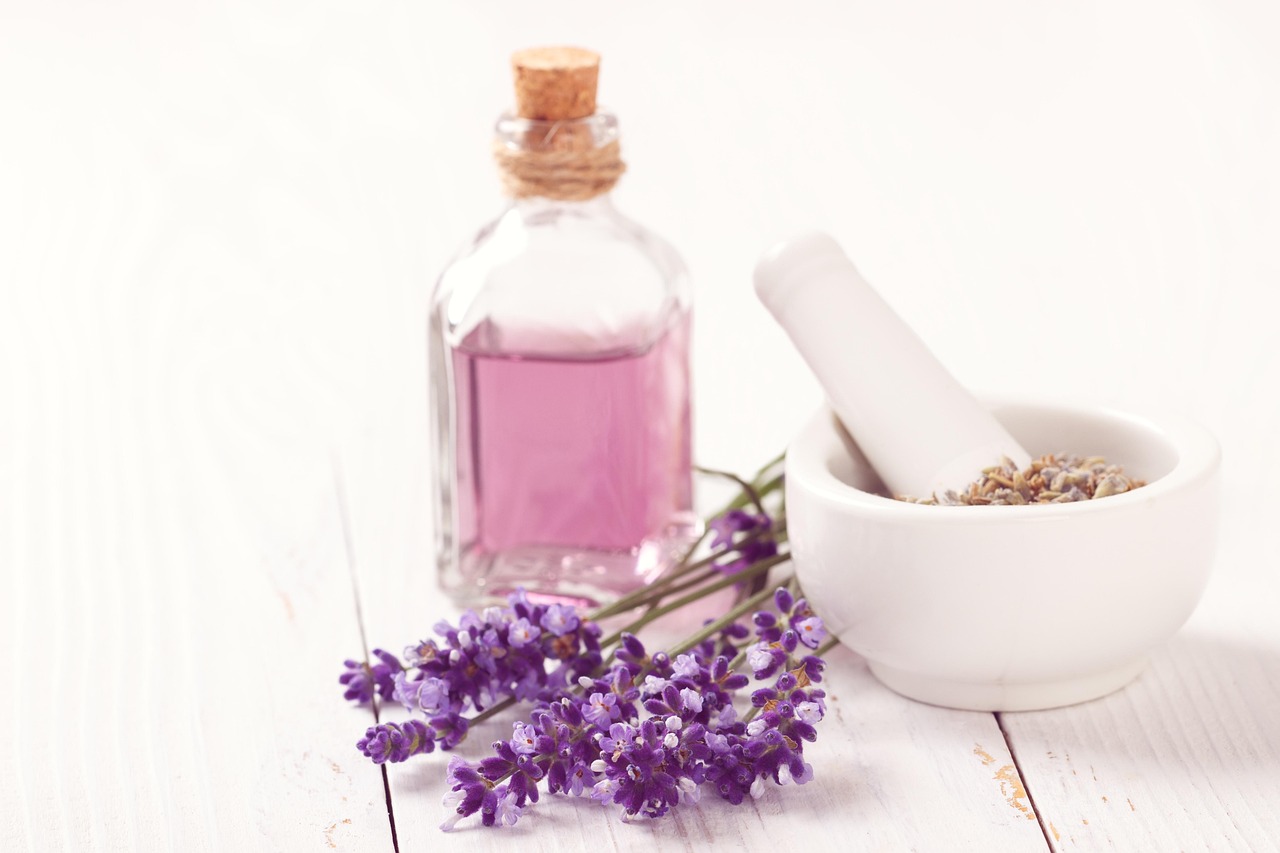
Choosing the right essential oil is paramount for effective aromatherapy with your cat. It’s important to understand the specific benefits of various oils, as some can help relieve anxiety, while others can promote relaxation. One standout choice is lavender essential oil; it is renowned for its calming properties and is versatile in its applications. Chamomile is another excellent option, offering both soothing and anti-inflammatory effects. A blend of these two oils can promote a serene environment, helping to calm an agitated cat. Note that you should use diluted mixtures safely and ensure good ventilation in the area where aromatherapy takes place. Always observe your cat’s behavior, as their reactions can indicate whether a particular scent is favorable or distressing. Additionally, bergamot oil can serve as a mood enhancer, perfect for uplifting your feline friend during stressful situations. To successfully blend these oils, a ratio of three drops of lavender to two drops of chamomile often works well. Involving these aromatherapy techniques can create an overarching sense of peace and comfort, enhancing your cat’s overall emotional health.
How to Safely Use Essential Oils for Cats
Prioritizing safety is essential when engaging in aromatherapy sessions with your cat. Cats possess unique physiology, especially regarding how their bodies metabolize essential oils. Many oils can be toxic to them; hence it is vital to know which are safe. Diffusion is considered the safest method of application because it allows the cat to leave the area if they become overwhelmed by the scent. Ensure the diffusers are at a height away from your cat to prevent accidental contact. When applying oils directly, ensure they are diluted adequately, usually one drop to 5-10 drops of a carrier oil like coconut or almond oil. Remember that natural does not always mean safe, and monitoring your cat’s behavior closely is crucial throughout the session. Keep your cat’s comfort in mind and provide a safe space for them to retreat if they feel stressed. Always consult your veterinarian before starting any aromatherapy, especially if your cat has underlying health issues or is pregnant. A qualified veterinarian can provide insights into safe practices and appropriate blends tailored to your cat’s needs.
A tranquil environment significantly enhances the effectiveness of aromatherapy sessions. Creating a calming atmosphere where cats feel safe can be facilitated through soft music and cozy blankets. Be sure to allow plenty of quiet time during these sessions to promote relaxation further. Aromatherapy combined with other calming practices, like gentle petting or soft conversation, can also increase your cat’s comfort level. While essential oils lightly diffused in the background soothe your pet, accompanying them with soft, loving words can enhance the atmosphere. Aside from calming scents, consider incorporating visual distractions like a soft light projector that mimics natural movements. Cats are inherently curious, and gentle lighting transitions will help engage their senses. During each session, ensure you remain patient and attentive, observing how your cat responds and adjusting as necessary. Some cats may love the aromas; others may not—always proceed with caution and sensitivity. Continue your exploration of different aromas as your cat’s preferences may change over time, enriching the experience for both you and your feline companion.
Duration and Frequency of Aromatherapy Sessions
Understanding the right duration and frequency of aromatherapy sessions is vital for maximizing benefits. While each cat is unique, sessions typically last from 10-30 minutes, depending on the individual kitty’s comfort level with specific scents. You should introduce each new aroma gradually, allowing your cat time to adapt and observe their reactions. Frequent sessions can be beneficial, especially during stressful times, such as moving to a new home or introducing new pets. Start with once a week and adjust based on your cat’s preferences and responses. It’s advisable not to overwhelm your pet; rather, keep sessions positive and enjoyable. You may notice signs of relaxation such as purring, kneading, or lying down comfortably. These are indicators that the environment and scents are positively affecting your cat. However, if your cat shows signs of distress or aversion—like hiding or sudden aggression—discontinue the session immediately. Over time, you’ll establish a rhythm and identify the most supportive practices that help keep your cat balanced and emotionally healthy through aromatherapy.
Additional considerations when blending essential oils for cat aromatherapy include the importance of sourcing quality oils and considering your cat’s individual needs. High-quality essential oils are sourced from reputable brands, ensuring they are pure and free from harmful additives. Oftentimes, cheaper options may compromise quality, potentially leading to negative effects on your cat’s health. Consulting with a holistic veterinarian can guide you in selecting suitable oils and mixtures tailored to your cat’s specific requirements. Personalized aromatherapy can be especially beneficial for cats that experience anxiety or discomfort in new environments. It’s also crucial to understand your cat’s behavior in response to different aromas; some may favor floral scents like rose or geranium, while others might prefer herbaceous aromas like rosemary or mint. Utilize trial and error to discover your cat’s preferred scents. Keeping a diary noting your observations can help track what works best over time. Utilize this knowledge alongside your instincts as responsible caregivers, creating an enriching experience for your beloved feline companion that promotes well-being and emotional stability.
Conclusion: The Benefits of Cat Aromatherapy
In summary, aromatherapy for cats offers numerous potential benefits that can significantly improve their quality of life. By selecting safe essential oils, creating a calming environment, and consistently monitoring your cat’s preferences, you can foster an emotionally supportive atmosphere. The key is to ensure safety and comfort throughout the aromatherapy sessions while tailoring the oils and approach to your cat’s unique personality. Observant pet owners can enhance their feline companions’ well-being by correctly embracing the healing properties of essential oils. Over time, as you find a rhythm that works for both you and your cat, these sessions can also help strengthen the bond you share. It’s an opportunity to engage your pet in relaxing experiences that promote overall health, behavior management, and emotional balance. Moreover, as the practice of cat aromatherapy grows in popularity, fostering awareness about the correct methods, safety precautions, and techniques among pet owners is essential. By embracing subtle scents and their therapeutic benefits, you are contributing positively to your cat’s mental health and bringing serenity into their lives.
Ultimately, the journey to effective cat aromatherapy is a shared adventure that builds mutual trust and understanding between you and your furry friend. Just as every cat is unique, their response to aromatherapy will vary, leading you on a path of discovery filled with delightful moments. By exploring various scents and blends, you’ll gain invaluable insights into what contributes to your cat’s emotional comfort and happiness. Maintain an open line of communication with your veterinarian, ensuring a supportive approach to incorporating these practices into your cat’s routine. The art of aromatherapy provides a nurturing space for relaxation and healing, translating into improved behavioral patterns and increased trust. Provide reassurance and love as you engage in these sessions, as they can be a wonderful way to express your care. Over time, with patience and observation, you’ll cultivate a deeper connection with your feline companion through this holistic approach to well-being. Embracing cat aromatherapy can be rewarding for both you and your cat, leading to a healthier relationship characterized by mutual love, trust, and contentment, ensuring a brighter, happier life together.