
Common Mistakes Beginners Make in Dock Diving and How to Avoid Them
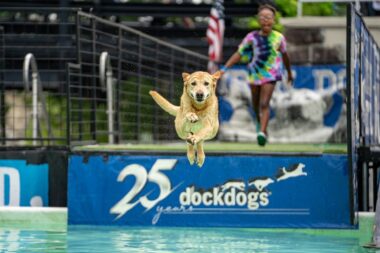
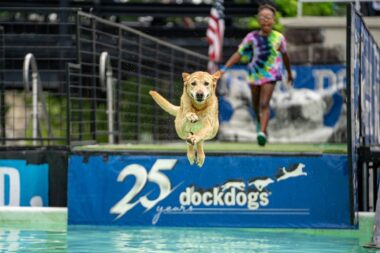
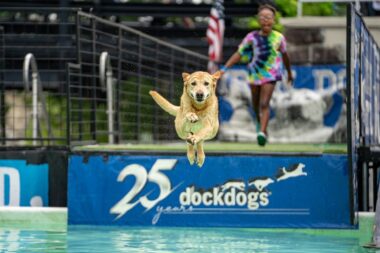
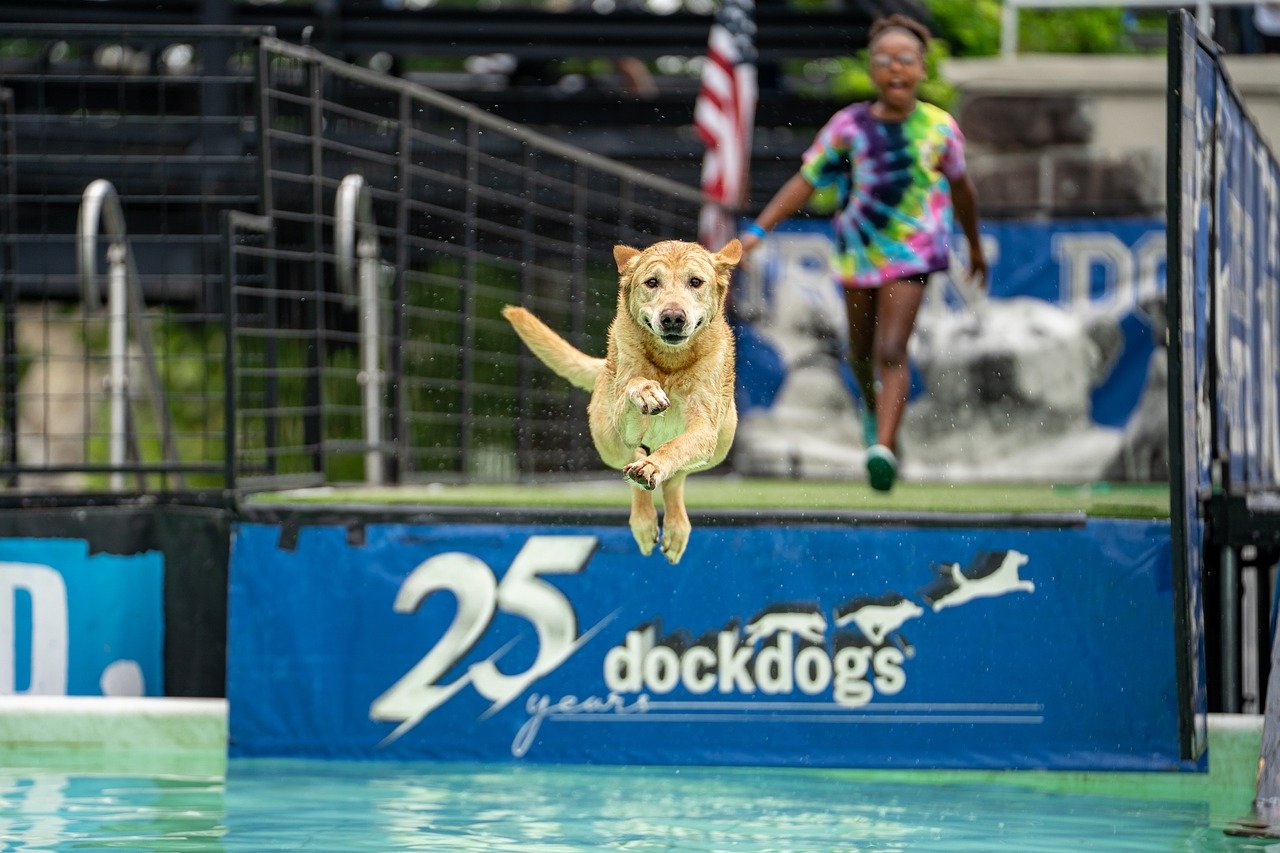
Dock diving is a thrilling sport that many dog owners are eager to dive into, but beginners often make common mistakes that can hinder their success. One prevalent oversight is not acclimating the dog to the dock area before their first jump. A new environment filled with excitement can intimidate your furry friend, causing anxiety that may prevent them from enjoying the experience. To help with this, visit the dock several times just to let them explore and get comfortable. Another mistake is assuming that all dogs instinctively know how to dive into water. Although some breeds may take to it naturally, others need encouragement or specific training to jump off the dock confidently. Start with low jumps, gradually increasing the height as your dog gains confidence. Additionally, neglecting proper conditioning and training can lead to injury. Before starting, ensure your dog is physically fit for the demands of the sport. Training should involve building strength and endurance, so incorporate exercises that enhance their agility and overall fitness. Addressing these issues is crucial for enjoyable and successful experiences in dock diving.
Overcoming Fear and Anxiety
Many beginners underestimate their dog’s fear and anxiety levels when approaching the water. It’s common to assume that dogs will automatically love jumping into the pool, but this is not always the case. To mitigate fears, one effective method is to desensitize them to both the noises and sights associated with dock diving gradually. Use treats and positive reinforcement to encourage your dog to come close to the dock and eventually leap into the water. Patience is essential here, as forcing a jump can lead to more anxiety. Furthermore, always make the experience fun. If your dog associates dock diving with enjoyment and rewards, they are more likely to embrace the activity over time. Ensuring that the dog has friends or fellow canines accompanying them can also help alleviate fear. Dogs often mirror each other’s behaviors, so seeing another dog jump can motivate them. Finally, never rush this process. Allow them to go at their pace, and soon they’ll be diving off the dock with joy instead of hesitation. This gentle approach will foster confidence and make them enthusiastic participants in the sport.
A lack of consistent training can significantly hinder a dog’s performance in dock diving, undermining their potential in the water. Beginners often make the mistake of assuming occasional practice sessions are sufficient for mastering this sport. Instead, create a structured training schedule that incorporates regular practice, ensuring the dog receives ample time to build confidence and skills. Wednesdays might be reserved for dock runs, while Saturdays can focus on retrieving. Consistency breeds familiarity, and your dog will become accustomed to expectations and routines. Additionally, each training session should alternate between various exercises to keep your dog engaged and excited, mixing short jumps with fun retrieves. Consider utilizing a whistle to get your dog’s attention and associate specific sounds with commands; this trait proves immensely beneficial during competitions when distractions can arise. Moreover, it’s essential to monitor progress and celebrate each small achievement. In dock diving, every jump is an opportunity to foster improvement. Use positive reinforcement techniques, such as treats or praise, to build a motivational environment that encourages your pup to take more leaps without fear of failure. Fame may not come overnight, but with diligence, results will manifest.
Improper Gear Use
Using the right gear is essential in dock diving, but many beginners neglect this critical aspect. One common mistake is opting for ill-fitting or inappropriate life jackets, which can restrict movement and impair the effectiveness of a dog’s performance during jumps. Always choose a vest designed specifically for canine use, and ensure your dog is comfortable while wearing it. A well-fitted life jacket should allow for natural swimming movements, facilitating safe and effective dock diving. Additionally, beginners might overlook the importance of warm-up exercises. Just like athletes, dogs require warm-up routines to avoid injuries before jumping into the water. Simple stretches focusing on joints and muscles can greatly help prevent strains or sprains. Moreover, investing in proper fetching toys is vital. Using toys that are hydrodynamic improves their ability to retrieve efficiently, enhancing their diving enthusiasm. This, in turn, creates a more enjoyable experience for both dog and handler. Enhancing gear knowledge can ensure you have everything needed for safe and successful dock diving sessions. Spending time researching or asking seasoned participants in the community leads to better options, resulting in a more professional atmosphere.
Another common mistake that beginners encounter in dock diving is failing to read their dog’s body language. Dogs are communicative creatures that express their emotions through their movement and posture. Misreading these signals can lead to misunderstandings, which may cause stress or anxiety for your dog. Learning to recognize when your dog is excited, anxious, or reluctant will ensure that you provide support when needed. For instance, a lowered tail or furrowed brows can indicate that a dog feels unsure about jumping. In such a scenario, be patient and encourage them with affection rather than forcing them. Allow them to take their own time to approach jumping. Additionally, overtraining is an issue many beginners succumb to; pushing your dog too hard can lead to burnout. It is crucial to keep sessions short and engaging. Incorporate plenty of breaks, hydration, and play. In maintaining a fun atmosphere, you can help prevent your pup from associating dock diving with stress. Ultimately, fostering an environment filled with joy and encouragement leads to a long-term love for the sport, ensuring that both dog and owner enjoy every moment spent at the dock.
Ignoring Health and Safety Precautions
Beginners in dock diving often overlook health and safety precautions, which is essential for a successful experience. One common mistake is failing to check water conditions before diving. Ensure the water is clean and safe, free from hazardous debris, and deep enough to prevent injuries upon entering. Additionally, it is essential to supervise your dog while they are in the water. Though they may exhibit strong swimming abilities, accidents can happen. Always keep close watch during practice and competitions to quickly intercept any potential hazards faced. Furthermore, it’s crucial to observe your dog’s health. If your dog shows signs of fatigue, take immediate action and let them rest. Hydration is equally vital, as dogs can suffer from overheating during intense exercise. Freshwater should always be available nearby, allowing your dog to drink as needed after jumping multiple times. Also, pay attention to their paws and joints; rough surfaces or excessive jumping can lead to injuries. Adopting a comprehensive safety perspective will ensure enjoyable events and the longevity of participation in dock diving. Ultimately, these precautions create a healthy, joyful experience for your dog.
Lastly, beginners might not recognize the importance of enjoying the journey rather than obsessing over performance metrics in dock diving. While it’s tempting to focus solely on height, distance, or speed, such a mentality can create unnecessary pressure on both the dog and their owner. Instead, prioritize the bonding experience and celebrate small successes along the way. Each jump and retrieved toy is a step closer to enhancing your dog’s skills and your teamwork. This approach not only keeps motivation high but also reinforces the positive aspects of the sport. By infusing every session with enjoyment and excitement, you’re building a strong foundation together. Moreover, attending competitive events doesn’t have to equate with anxiety. Instead, treat these gatherings as opportunities to learn and connect with like-minded individuals. Share tips, tricks, and training strategies with fellow participants. Forming friendships through dock diving can produce a solid support network. Embracing the community aspect of the sport is essential for long-term enjoyment. You’ll find that your love for dock diving will flourish, transforming your dog into a confident competitor and creating cherished memories with your furry friend.