
Exercise Intensity and Duration by Breed Size
Understanding the exercise needs of different dog breeds is essential for their health. Breeds vary significantly in size, energy levels, and temperaments. It’s crucial to tailor exercise routines specifically based on these distinct needs. Larger dog breeds like the Great Dane or Mastiff require gentler, longer walks and lower intensity activities. Conversely, smaller breeds, such as Terriers, may thrive on high-intensity play sessions that last shorter periods. Consider your dog’s age, condition, and energy levels when planning exercise. Regular exercise promotes physical and mental well-being. Fulfilling their exercise needs reduces behavioral issues stemming from boredom. Owners should aim for daily activity and should observe specific duration guidelines. For larger breeds, aim for 60 minutes of walking. Smaller dogs may only need 30 minutes of physical exercise similarly focused. Don’t shy away from harnessing mental stimulation through games like fetch or agility training. These activities help keep your furry friend engaged. You want your pet to be healthy, happy, and well-exercised at all times. Customizing the intensity and duration of their exercise routine can significantly contribute to their overall happiness and longevity.
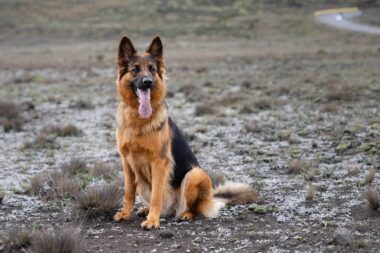
As we delve deeper into the needs of various dog breeds for exercise, not only does the size matter, but so does their energy level. Breeds like Border Collies and German Shepherds possess high energy levels, marking them as ideal candidates for intense and structured activities. For these dogs, incorporating a mix of vigorous activities such as running and playing fetch is vital. Meanwhile, low-energy breeds like Bulldogs or Basset Hounds may require more relaxed, less intense forms of exercise. Gentle walks and playdates at a slow pace might be much more suited for them. Owners should be cautious not to overexert these calmer breeds, as doing so can lead to injuries, exhaustion, or stress. Monitoring your dog during exercise is crucial; dog’s needs and endurance will fluctuate day-to-day. Emphasizing social interaction with other dogs or people can also promote exercise naturally. Engaging in structured classes or beginner-level agility training is worth considering for high-energy breeds. When all exercise needs are balanced right, dogs generally show significant improvements in mood, behavior, and overall health. Thus, regular evaluations of their needs and preferences should always be prioritized.
Duration Recommendations for Different Breeds
The recommended durations for exercise generally differ from one breed to another significantly. Large and high-energy breeds typically require more extended activities compared to smaller, low-energy dogs. For example, a Labrador Retriever needs about 60 to 90 minutes of exercise daily, ideally spread over multiple sessions. In addition, breeds like the Dalmatian can sustain similar levels of intensity, thus thriving on longer runs or active games. On the contrary, smaller breeds, like the Pug or Chihuahua, generally require around 20 to 40 minutes daily. These walks can be both enriching and entertaining with ample sniff breaks. Taking time to choose the right duration helps your dog develop healthy habits while minimizing the chance of exhaustion or other negative consequences. Adjustments should be made, especially in varying weather conditions. On hot days, consider shorter walks with more frequent breaks to ensure their well-being. Additionally, providing mental stimulation, such as puzzle toys, can supplement their exercise needs, keeping them entertained when outdoor activities aren’t possible. Owners should take note of their pet’s energy levels and adjust accordingly. Individual preferences will always play a pivotal role in determining appropriate activities.
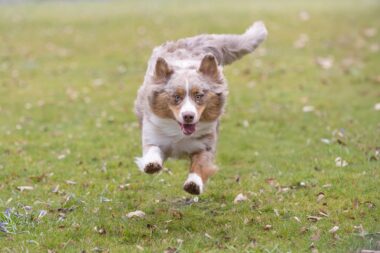
As important as duration is the type of exercise selected for particular breeds. Each breed has its preferences, and recognizing those can lead to more enjoyable experiences for both pet and owner. High-energy dogs such as Australian Shepherds often thrive in activities involving fetch or agility training. These activities offer quick bursts of energy release, aligning perfectly with their energetic nature. Meanwhile, slower-paced breeds such as Shih Tzus may enjoy leisurely walks more than vigorous sessions. During chilly or hot climates, ensure that outdoor activities are considerate of temperature and ground conditions. It’s essential to listen to these dogs and provide adequate breaks when needed, as they may become weary quicker than more robust breeds. Additionally, involving other dogs can enrich their interaction, helping them socialize to meet their exercise needs. Owners should always monitor their dog’s reactions to various activities and adjust them accordingly while focusing on their pet’s preferences. Regularly switching up activities can prevent boredom, making physical activity enjoyable. Providing a mix of physical and mental stimulation can create a more fulfilling and healthier exercise routine for dogs of all breeds.
Signs of Overexertion
Cues that indicate a dog may be overexerted or tired are crucial to recognize. Some signs can include excessive panting, reluctance to continue, or even lying down mid-exercise. Another clear sign is when they begin to lag behind while on walks or playtime. High-energy breeds, in particular, may push themselves past their limits, leading to potential injuries. It’s vital to observe your dog’s behavior and know when to call it a day. Encouraging your furry friend to rest is equally important for their health. Incorporating slower-paced days in their routine is also wise, particularly for older dogs. Their exercise intensity and duration might need to be adjusted to suit their physical capabilities. Owners should maintain a consistent check on their pet’s hydration, especially during warm weather, to keep them comfortable and healthy. Providing fresh water before, during, and after activities contributes significantly to their well-being. Knowing your dog’s breed-specific needs will support their safety while exercising. Always be proactive and attentive when it comes to their physical limits. Protecting their health ensures they remain active and happy throughout their lives.
In conclusion, fostering a personalized approach towards exercise based on breed size and energy levels plays a crucial role in keeping dogs healthy. Each breed presents unique characteristics that influence their exercise requirements, meaning there’s no one-size-fits-all solution for pet fitness. Owners should keep diligent records of their pets’ preferred activities, duration, and signs of enjoyment to provide tailored experiences. By ensuring the right level of activity, you can create a well-balanced routine that caters to your dog’s specific needs. Implementing diverse exercises and mental stimulation helps avoid boredom and maintain engagement, ultimately leading to a harmonious coexisting relationship. It’s important to remain consistent with your dog’s exercise regimen while also being flexible enough to modify it based on changing situations. Previous experiences, health conditions, and specific preferences must guide this individual approach. Encouraging good behavior through exciting activities reinforces a meaningful bond between owner and dog. Ultimately, exercise serves as a foundation for a healthy lifestyle filled with joy and companionship. A committed owner will always research the best options ensuring pets remain the happy companions they were meant to be.
Final Thoughts
In the realm of exercise for different dog breeds, understanding the unique requirements of your pet is paramount. Tailoring exercise routines by duration and intensity based on breed sizes and energy levels significantly enhances their overall quality of life. Engaging in thorough research and consulting with professionals when needed can yield incredible benefits, ensuring they remain happy and healthy. Always bear in mind that an active dog is a happy dog, as regular physical activity is critical in managing weight and behavioral issues. Prioritizing exercise enables better mental health and strengthens the bond between owner and pet. Consider joining groups or clubs in your area to socialize with other dog enthusiasts. Connecting with like-minded individuals can lead to sharing unique tips on these specific needs. Remember, consistency is the key to establishing successful habits, but flexibility is essential too. Play-based exercise allows dogs to partake while enjoying themselves seamlessly. Explore various activities frequently to find the perfect balance for your furry friend, and be dedicated to their needs. Making exercise fun will improve your dog’s life, creating lasting memories in the process. Your attention to their requirements will undoubtedly enrich the time spent on exercise.
The bond you share with your dog can grow stronger through exercise. Taking your pet on adventures helps flooding them with positive experiences while maintaining their fitness. Every breed will respond differently, but the core principles of exercise remain the same: safety, enjoyment, and socialization. Fostering a culture of learning while engaging in activities opens a world of possibilities for keeping your dog bemused and driven. By nurturing their unique needs and tailoring routines accordingly, you may find great joy in their health improvements. Dogs, being social animals, thrive on companionship. Engaging with your pet while exercising can lead to greater satisfaction for both of you. Observing your dog’s non-verbal signals about their comfort levels is paramount in building trust. As you grow together, maintaining this exciting part of your lives sets the stage for a fulfilling relationship. Taking the time to know and understand what makes your dog tick will pay dividends. Plenty of opportunities exist to integrate exercise into daily life seamlessly. Get creative with fun activities tailored specifically for your dog’s breed and personality. Remember, every moment spent exercising together strengthens your bond, creating cherished memories.