
Latest Advances in Treating Dog Ear Mite Infestations
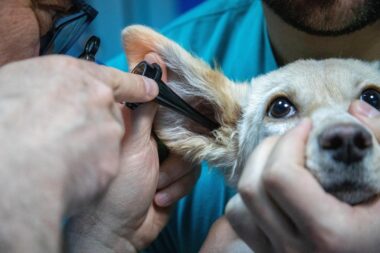
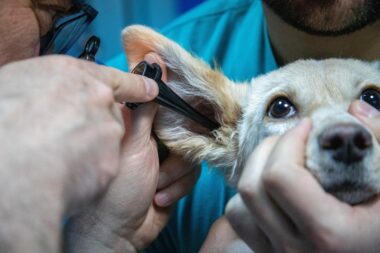
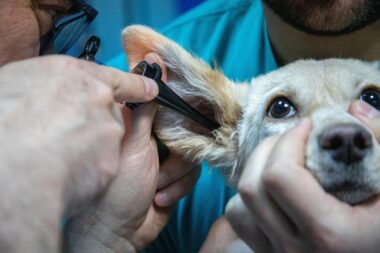
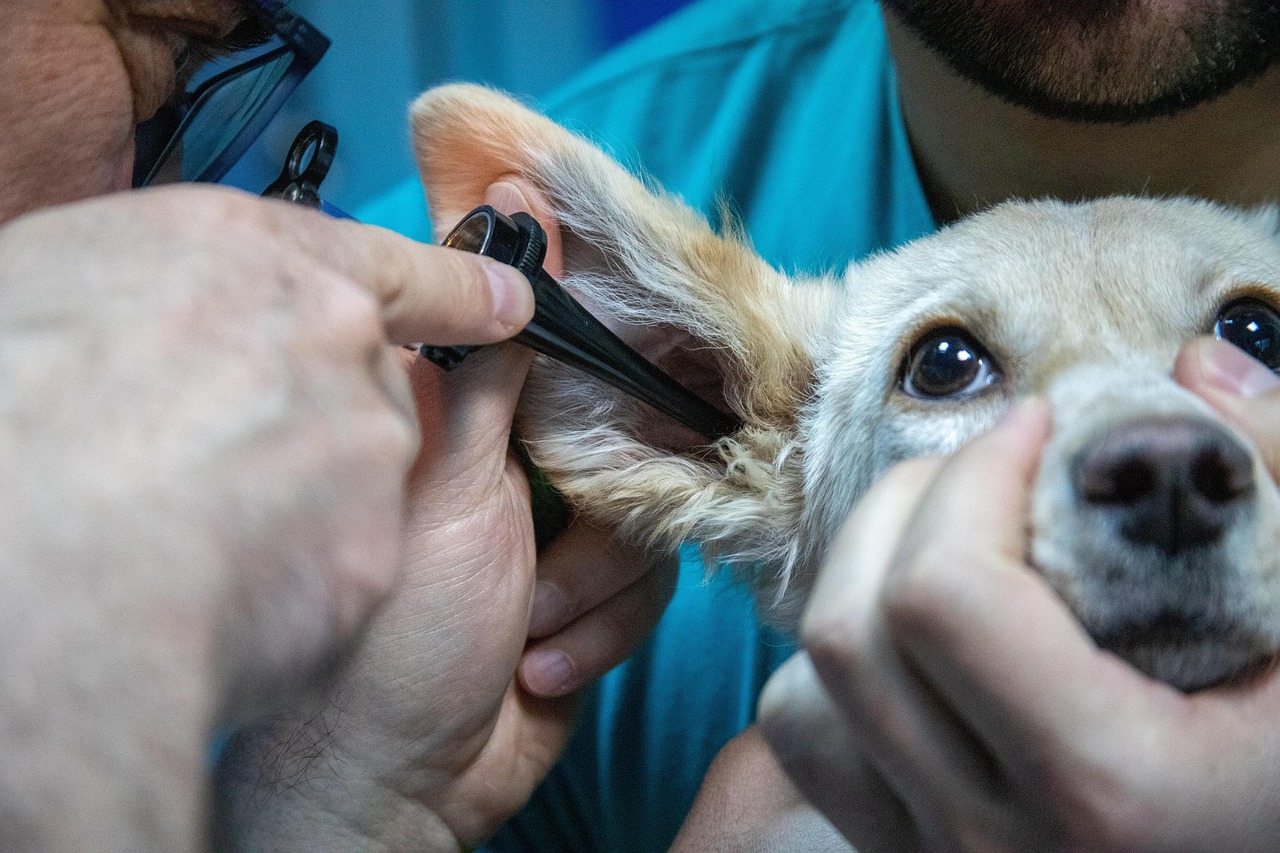
Ear mites are a common problem for dogs, often causing excessive itching and discomfort. These tiny parasites, known as Otodectes cynotis, feed on the ear wax and skin debris within the ear canal. If left untreated, they can lead to severe infections and inflammation. Recognizing the symptoms early is crucial for effective treatment. Symptoms to watch for include constant scratching at the ears and head shaking. Additionally, you may notice a bad odor emanating from the ear or the presence of dark, crumbly wax. If you suspect your dog has ear mites, a visit to the veterinarian is essential for a diagnosis. Your vet may test the ear discharge under a microscope to confirm the presence of mites. Treatment has advanced significantly in recent years, moving beyond traditional insecticides. New topical treatments are available that are more effective and easier to apply. These latest medications target the mites specifically, resulting in quicker relief for your pet. Maintaining ear hygiene can also help prevent future infestations, so regular cleaning at home is advisable.
Understanding Ear Mite Life Cycle
Understanding the life cycle of ear mites is crucial for prevention and management. Ear mites go through various stages: egg, larva, nymph, and adult. The adult female mite lays eggs in the dog’s ear canal, which hatch into larvae within a week. These larvae then mature into nymphs, and eventually into adults. This entire cycle can take as little as three weeks, facilitating rapid infestations. Adult mites can live up to two months without a host, which means they can survive in bedding or carpets. It’s important to recognize how easily these pests can spread between pets, especially in multi-pet households. Often, a healthy dog can contract mites from another infected animal, emphasizing the need for proper preventive measures. Regular check-ups at a veterinarian can minimize the risk, alongside good hygiene practices at home. Keeping your dog’s ears clean and dry can significantly reduce the chances of mites taking hold. Utilizing specific ear mite prevention treatments also protects your pet over time. Understanding this life cycle not only aids in treatment but also highlights the importance of regular ear inspections.
Historically, treatments for ear mites included off-label use of certain pesticides and insecticides. However, the landscape of treatment options has evolved considerably. Currently, veterinarians have access to a range of effective medications specifically designed for treating ear mite infestations. These modern treatments come in various forms, including topical solutions and prescription-only treatments. Some products are designed to provide fast relief from itching and discomfort, while others eliminate mites from the ear canal altogether. Recent advances involve the use of long-lasting medications, offering protection from reinfestation without requiring daily applications. Additionally, many products now contain soothing ingredients to alleviate inflammation and irritation, drastically improving your dog’s quality of life during treatment. Always consult with a veterinarian before starting any treatment regimen, as some products may not be suitable for all dogs. Taking the time to choose the correct medication can lead to quicker healing and reduced suffering for your beloved pet. In severe cases or where infections are present, your veterinarian may need to prescribe antibiotics or antifungal treatments as well. Always ensure that your dog’s ears are thoroughly examined.
Home Remedies for Ear Mites
In conjunction with veterinary care, some pet owners seek home remedies for mild ear mite infestations. Natural solutions can complement professional treatments, potentially providing added comfort to your dog. One popular home remedy includes using mineral oil or olive oil, which can smother the mites and relieve itching. While these oils may not completely eradicate a severe infestation, they can help soothe inflammation and improve your dog’s ear health. Additionally, certain essential oils like lavender or tea tree oil, diluted properly, possess natural antiparasitic properties that might offer additional relief. However, using essential oils requires caution, as some can be toxic to pets when not adequately diluted or applied. Always consult your veterinarian before trying any home remedy, as some natural treatments may interact negatively with prescribed medications. Routine ear cleaning with a vet-approved solution can also be beneficial. Remember to observe your dog carefully for any reaction to the remedy being used, adjusting as necessary. While home remedies can support your pet’s health, they should not replace professional veterinary advice.
Earmite infestations can significantly impact a dog’s overall health, leading to stress and behavioral issues. Continuous irritation can cause excessive scratching, making the ears more susceptible to bacterial or fungal infections. This can create a painful cycle that may require more than just mite treatment to resolve. It’s essential to remain vigilant for signs of secondary infections, such as swelling, odor, or discharge. Preventing such complications requires prompt attention at the first signs of ear issues. In some cases, secondary infections may necessitate additional medications or even surgical intervention. Regular ear care, consisting of proper cleaning and timely checkups at the vet, can prevent situations from escalating. Additionally, monitoring your dog’s health can offer insights into their comfort level and well-being. Any changes in behavior should prompt a visit to the veterinarian. Encourage a routine check of your dog’s ears to maintain their health. This proactive approach can catch symptoms early on, potentially preventing the need for more invasive treatments down the line. Overall, embracing a holistic approach to care helps ensure your dog’s long-term health concerning ear mite issues.
Advocating for Veterinary Care
Ensuring your dog receives appropriate veterinary care for ear mite infestations is crucial. Owning a pet entails a commitment to their health, requiring timely veterinary interventions when issues arise. In cases of suspected ear mites, outdated or incorrect treatments can lead to complications. Therefore, seeking guidance from a licensed veterinarian is pivotal to your dog’s healing process. They can provide vital insights into the best treatment protocols and tailor them according to your dog’s specific condition. Additionally, regular veterinary visits facilitate early detection of various infections or health issues before they become severe. Your veterinarian can also recommend products that work effectively against ear mites while promoting the overall health of your pet’s ears. Proper follow-up appointments become essential to monitor treatment progress and adjust protocols as necessary. They can also help identify and treat any secondary conditions resulting from the infestation. Pet owners should clearly understand their role in their dog’s health management. Building a good relationship with your veterinary provider can help ensure your dog’s long-term wellness.
The advancements in treating ear mite infestations in dogs have led to better options and outcomes. Pet owners are now more informed about the importance of proper ear care and the available treatments. Embracing new technologies and medications allows for efficient, effective care that not only relieves immediate discomfort but also prevents recurrence. Ongoing research continues to provide insights into the best treatment options, enhancing the ability of veterinarians to address this common issue compassionately. As pet owners, understanding the effects of neglecting ear care is crucial in preventing ear mite infestations. With education, effective treatments are more accessible, leading to healthier lives for our pets. Encouraging preventive care habits, like regular ear cleaning and veterinary check-ups, can minimize the risk of ear mites significantly. Remember, early detection and treatment lead to better outcomes. Sharing experiences with other pet owners can help spread awareness about ear mite management strategies. Collectively, we can work toward ensuring all dogs remain free from the discomfort associated with ear mite infestations. Providing effective care reflects our love and commitment to our furry companions.
In summary, ear mites can be a troublesome issue affecting dogs. Nevertheless, recent advancements in treatments and preventive measures have provided effective solutions to help our beloved pets. Understanding this issue involves recognizing symptoms, utilizing modern medications, and collaborating with veterinarians. Home remedies can support treatment efforts alongside regular veterinary care. By staying informed and proactive about our dog’s ear health, we can mitigate the risks associated with ear mites significantly. Always prioritize your dog’s well-being and consult with your veterinary professional if any concerns arise. Emphasizing education and communication with other pet owners creates a supportive community committed to canine health. By doing so, we foster a better understanding of ear mite prevention and management. Ultimately, our goal is to ensure our dogs lead healthy, happy lives free from the discomfort and complications that can arise from ear mite infestations. Let’s advocate for their well-being and remain vigilant in our efforts to keep them comfortable and healthy.