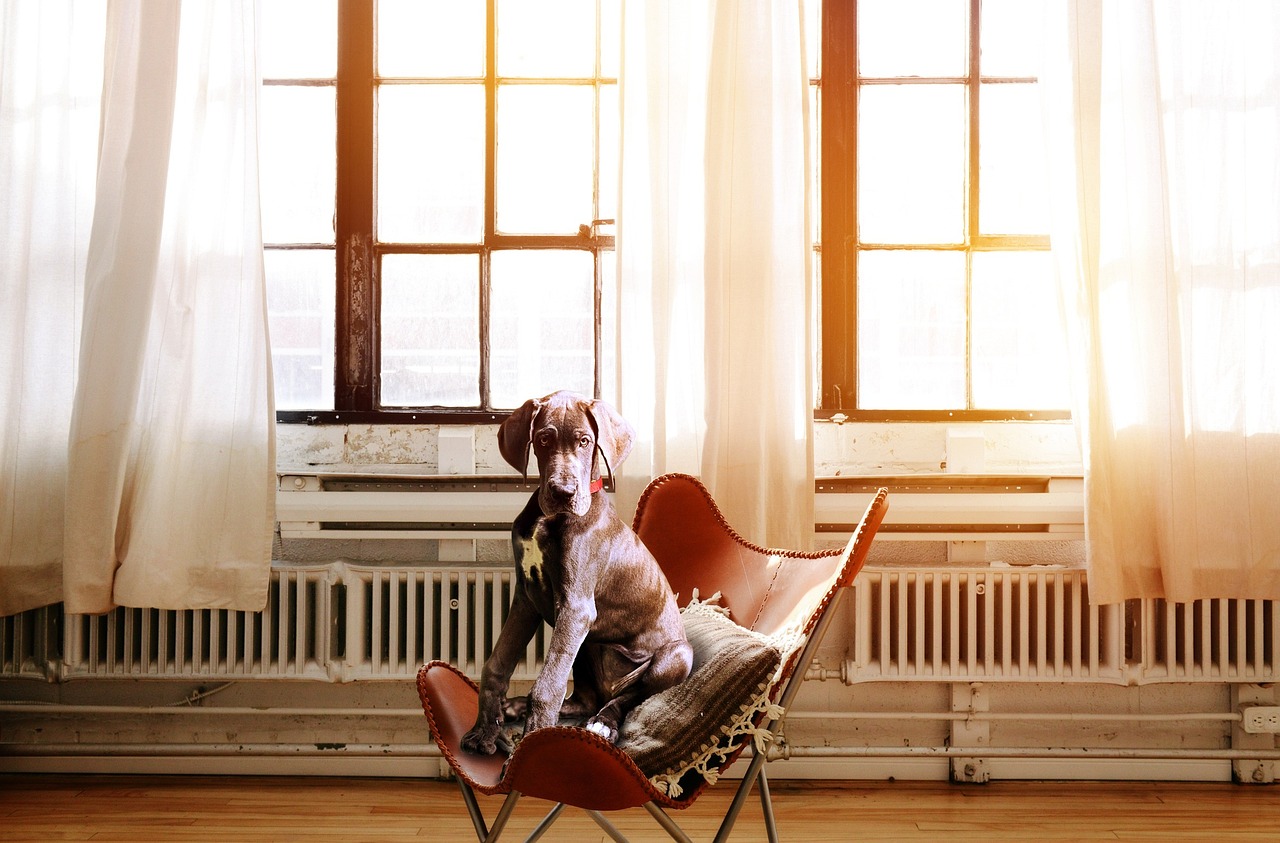

Safe Spaces: Creating a Stress-Free Environment for Your Dog
Creating a safe space for your dog is essential for promoting their mental health. Stress and anxiety in dogs often arise from various stimuli, including loud noises, unfamiliar environments, and even excessive interaction with other pets. To combat this, consider establishing a designated area within your home where your dog can retreat when feeling overwhelmed. This area should be comfortable, familiar, and set up with the dog’s favorite toys, a soft bed, and blankets to provide a sense of security. Additionally, utilizing calming elements, such as soft music or relaxing scents, can further enhance their comfort. Keep this area free from unnecessary distractions and allow your dog to explore it at their own pace. Introducing your dog to this safe space gradually helps them form positive associations with it, ultimately reducing anxiety levels. Observe your dog’s behavior and preferences to tailor the space according to their needs. In doing so, you create a sanctuary that promotes relaxation, contributing to their overall mental well-being. Remember, a stress-free environment leads to a happier, healthier dog, making it vital to prioritize their comfort in day-to-day life.
In addition to creating a dedicated safe space, incorporating routine and consistency into your dog’s life can greatly reduce stress and anxiety. Dogs thrive on structure, which helps them feel secure and reduces the potential for problematic behaviors, such as excessive barking or destructive chewing. Start by establishing a regular schedule for feeding, walking, and playtime, which promotes predictability in their daily routine. This familiarity can make your dog feel more at ease and help alleviate feelings of anxiety. Additionally, consider incorporating training exercises that reinforce positive behaviors during interactions with other pets or people. Positive reinforcement methods, like treats or praise, are effective in building trust and further cementing that your dog is safe and loved. To enhance their well-being, spend quality time together engaging in enjoyable activities that foster a strong bond. This not only helps your dog feel secure but also enriches their social experiences. Enriching stimulation through games or toys can also keep your dog mentally engaged and prevent boredom. The combination of a structured lifestyle and enriching activities contributes to overall mental health for your beloved pet.
Understanding Canine Body Language
Understanding how to read your dog’s body language is crucial when it comes to maintaining their mental health and creating a stress-free environment. Dogs communicate through a series of signals, including how they position their tails, ears, and bodies. Recognizing these cues allows you to gauge your dog’s emotional state and take appropriate actions. For instance, if your dog is showing signs of stress, such as tail tucking or excessive yawning, it is vital to provide them with the necessary space and comfort. Conversely, a wagging tail and relaxed body indicate that your dog feels safe and happy. Creating awareness around your dog’s emotional signals can help you cater to their needs effectively. Always pay attention to their responses to various stimuli in their environment, and act accordingly to minimize anxiety-triggering situations. Cultivating this understanding strengthens your bond with your dog and enhances their ability to communicate freely with you. Remember, a well-understood pet is a stress-free pet, making it essential to enhance your knowledge about canine behavior and emotional expressions.
Another important aspect of promoting mental health in your dog is ensuring they get plenty of physical activity and mental stimulation. Regular exercise not only helps your dog maintain a healthy weight but also promotes their overall mood and reduces anxiety. Tailor an exercise routine based on your dog’s age, breed, and energy levels. Daily walks, fetch sessions, and interactive playtime are excellent ways to engage your dog actively. Moreover, enriching activities such as hide and seek or puzzle toys that challenge them mentally can provide additional stimulation. These games not only burn off energy but also encourage your dog to think critically. Always take note of what your dog enjoys and try to incorporate various types of activities to keep things fresh. It is essential to have a balance between mental and physical activities to cater to your dog’s needs fully. The right combination of exercise and mental challenges can significantly improve your dog’s overall mental health, making them calmer and more content at home.
Safe Socialization Techniques
While creating a stress-free environment for your dog, it is essential to understand the importance of socialization. Proper socialization plays a significant role in minimizing stress when encountering new experiences, people, and animals. Introduce your dog gradually to new environments and allow them to explore at their own pace. Supervise these encounters to ensure they feel comfortable and safe. Exposure to positive experiences in various situations fosters confidence and resilience in your dog. Consider enrolling your dog in obedience classes or supervised playgroups, where they can interact positively with other dogs in a controlled environment. Always use positive reinforcement when they exhibit appropriate behavior during interactions, rewarding them with treats or praise. This approach reinforces their understanding that social situations can be enjoyable. Keep in mind that every dog is unique, with different comfort levels in socializing. Therefore, monitoring their reactions and respecting their boundaries is critical for their mental well-being. By promoting healthy socialization techniques, you create a balanced environment that reduces anxiety, ultimately cultivating a happier dog.
Incorporating calming natural remedies can also be beneficial in creating a stress-free space for your dog. Various products and techniques can help promote calmness and relaxation, especially during stressful situations like thunderstorms or fireworks. Natural remedies include herbal supplements, essential oils, or calming chews that can provide relief. However, always consult with a veterinarian before introducing new products to ensure they align with your dog’s health and needs. Additionally, consider using anxiety-reducing tools such as a snug-fitting vest designed to apply gentle pressure during times of high stress. These products can help ground your dog and provide a sense of security. Another option is desensitization techniques, which involve gradually exposing your dog to the source of their anxiety in a controlled manner, allowing them to adjust over time. Providing toys that encourage relaxation, such as chew toys or interactive toys, can also create a peaceful environment. By integrating these calming techniques, you can further enhance your dog’s comfort in their safe space, ultimately contributing to improved mental health.
Maintaining Consistent Positive Reinforcement
Consistency plays a vital role in ensuring your dog’s continued mental well-being as you maintain a stress-free environment. Apply positive reinforcement consistently while training and interacting with your dog to encourage desired behaviors. This reinforcement can involve verbal praise, treats, or even favorite activities. Ensure that your response to desired behavior remains consistent, so your dog understands what actions are considered favorable. Inconsistency can lead to confusion and anxiety for your dog, which is counterproductive to creating a stress-free space. Additionally, always be mindful of your tone and body language, as dogs are highly sensitive to these cues. To foster a supportive and stress-free atmosphere, engage in compassionate communication, and remain patient as your dog learns and adjusts. By providing cheerful acknowledgment and encouragement, you build your dog’s confidence, making them feel secure in their environment. A strengthened bond through consistent positive reinforcement leads to a more relaxed state overall, allowing your dog to flourish mentally. Remember that patience and understanding form the foundations of success when enhancing your dog’s well-being through a stress-free living space.
Lastly, regularly assessing the environment you’ve created for your dog is crucial in ensuring it remains a stress-free space. Changes, such as new furniture or large gatherings, can introduce unexpected stressors. Monitor your dog’s reactions when adjustments are made, as they may require time to adapt to their surroundings. If you notice signs of stress, such as increased barking or hiding, consider reverting changes or modifying the environment. Your dog’s comfort should remain a priority, so continue evaluating how well the safe space supports their needs. Over time, regularly refreshing and rearranging their environment within certain limits can also keep the space engaging. Additionally, seeking external resources, such as sessions with a dog trainer or expert, may further enhance your understanding of your dog’s unique needs. Ultimately, a proactive approach to monitoring and adapting the environment will help sustain a tranquil and stress-free haven for your dog. By prioritizing their comfort and well-being through continual evaluation, you create lasting positive effects on their overall mental health, enabling them to lead fulfilling lives without anxiety.