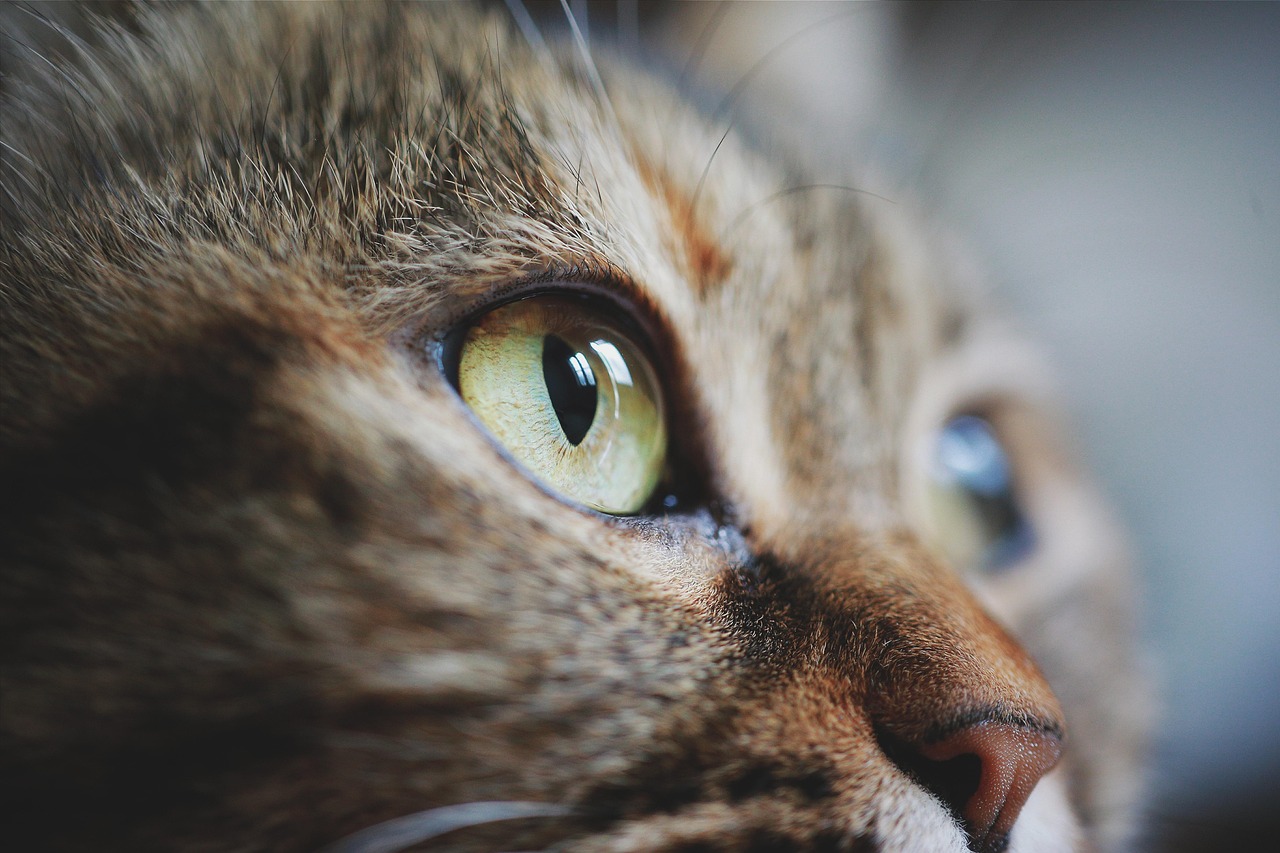

Signs Your Cat Might Need Vitamins for Better Eyesight
Just like human beings, cats also require a balanced diet rich in essential vitamins to maintain optimal health. One area where sufficient vitamins can really make a difference is in eye health. Cats need various nutrients to support good vision, particularly as they age. While earlier signs may include some difficulty seeing at dusk or dawn, more serious issues can develop if deficiencies continue. An increased sensitivity to light and squinting can also be red flags regarding eye health. Cats are adept at hiding discomfort, but notice their behavior, whether they suddenly become hesitant when jumping or seem more disoriented. Strangely, a decrease in playfulness can often point toward larger lethargy and associated problems. Another noticeable sign is excessive eye tearing or discharge; this can indicate underlying health conditions that supplementation may improve. Lastly, adjustments in their eating habits can suggest vision problems, allowing them to adapt poorly to food placement. Daily monitoring of your cat’s behaviors and habits can help identify if they may need some vitamins to enhance their eye health and vision quality, especially during their golden years.
Eye health in cats can be enhanced through a variety of essential nutrients, some of which can be sourced through dietary vitamins. Vitamin A is particularly crucial because it helps promote good vision, especially in low light situations. Cats unable to acquire sufficient vitamin A through their diet might exhibit symptoms like difficulty seeing, especially in dim environments. Recent studies have also shown that Vitamin E works as a potent antioxidant, potentially reducing the oxidative stress that can lead to vision deterioration. When considering vitamin supplementation, it’s important to remember that each cat may have different health needs. Therefore, consulting with a veterinarian is wise to determine which vitamins may benefit your furry friend the most. Other vitamins such as Vitamin C and B Vitamins also play a role in overall eye health. Omega-3 fatty acids can also promote retinal health, and many older cats can greatly benefit from these additions. If you’re uncertain about how to balance your cat’s diet effectively, many prepared cat foods are fortified with the necessary vitamins and nutrients to support their eye health.
Feline vision changes can often be surprisingly subtle, making it challenging for owners to notice. One of the most telling signs is if your cat frequently appears disoriented or struggles to navigate familiar spaces. If you witness your cat bumping into furniture or frequently hesitating at doorways, it could point to deteriorating eyesight. Another concern is the appearance of your cat’s eyes; if they become cloudy or show signs of redness or swelling, this should not be overlooked. It’s also important to keep an eye on their behavior; if they seem uneasy when exposed to bright lights or squint often, those could further indicate a need for intervention. The more frequently your cat displays changes in behavior, particularly surrounding visual tasks, the more likely it is that they could benefit from additional vitamins. Observing fluctuations in appetite may also signal that something isn’t right. If your cat struggles to find their food or loses interest in meals, it’s wise to evaluate their overall health and whether their eyes may be affecting their ability to enjoy mealtime. Keeping a close watch over these subtle signs is key.
The Role of Regular Veterinary Check-ups
Regular veterinary check-ups play a vital role in maintaining your cat’s overall health, including their eyesight. During routine examinations, vets can identify potential issues before they develop into more severe conditions. Your veterinarian can also provide tailored advice on vitamins and supplements that may enhance your cat’s eye health. The veterinarian can check for underlying conditions such as glaucoma or cataracts, which can often develop unnoticed. Early intervention is crucial in reducing the risk of permanent vision loss. Your vet may recommend specific tests, which include checking the health of their retina and optic nerve, which are essential for proper vision. Additionally, routine check-ups offer an excellent opportunity to discuss changes you’ve noticed in your cat’s behavior or eyesight. Additionally, maintaining a healthy and balanced diet is essential for overall health, yet many owners overlook the role of vitamins. These appointments are beneficial for keeping your cat on track regarding weight management, as obesity can lead to an array of health problems, including joint issues and subsequent impacts on mobility. Once again, preventive health measures go a long way in protecting eyesight.
Nutritional deficiencies in cats can manifest through several symptoms beyond just visual impairment. For instance, dry or flaky skin can indicate a lack of essential fatty acids. Alongside these signs, your cat may appear less playful or energetic, often correlating with eye health issues. Another indicator can be observed if your cat displays signs of pain when they attempt to jump or play. Pain sometimes interferes with their willingness to engage in activities as they used to. Observing your cat’s coat condition can also lead toward vitamin deficiencies; a dull or unkempt appearance often suggests that dietary adjustments are needed. Regular grooming can help you notice these changes as well. If you spot a general decline in health or vigor, consulting with a veterinarian promptly is vital. Ensuring a well-rounded diet plays a decisive role in maintaining your cat’s overall well-being, and supplementing it with the right vitamins can alleviate many health concerns. Look for high-quality cat food that includes ample vitamins and nutrients tailored toward supporting eye health, especially for older cats. A holistic approach to nutrition is essential for every cat owner.
Hydration also plays a key role in overall health, impacting various bodily functions, including eyesight. Dehydration can lead to dry eyes or other associated issues, making it critical to ensure that your cat has constant access to clean water. Owners should monitor their cat’s drinking habits closely, as decreased water consumption is often a sign of health issues. Additionally, if a cat suddenly loses interest in drinking could indicate trouble with its eyes. In some circumstances, adding wet food to their diet can also help improve hydration. Cats naturally have a low thirst drive, so moist food acts as an additional source of fluid while providing essential vitamins. Ensuring access to fresh sources of hydration keeps your cat healthy and aids in eye function. Regular exercise should also not be forgotten, as physical activity can help prevent obesity, which can have cascading effects on various health aspects, including eye health. Creating an enriching environment that encourages your cat to stay active can promote both eye health and overall well-being. Ultimately, combining a balanced diet, hydration, and regular exercise is the most effective strategy.
Conclusion
In conclusion, keeping an eye out for signs that your cat may need vitamins for better eyesight is crucial for their overall well-being. Observing changes in their behavior, eating patterns, and physical features can provide insight into their health status. Regular check-ups with the veterinarian are equally important, allowing for early detection of any eye issues. The right vitamins play a key role in not only maintaining eyesight but can improve the overall quality of life for your beloved pet. Make it a priority to discuss any changes you notice with your vet during visits, creating an open dialogue about your cat’s nutritional needs. Taking a proactive approach through diet and opportunistic veterinary care can enhance both the quality and longevity of your kitty’s life. Not only will they enjoy better vision, but overall health in later years can dramatically improve as well. Finally, don’t hesitate to explore vet-recommended dietary options that fulfill these criteria, ensuring your furry friend has every bit of help in maintaining optimal eye health. By prioritizing nutrients, hydration, and regular vet care, the bond between you and your cat will surely thrive.
Investing in your cat’s health is one of the most rewarding choices you can make. By being attentive to their needs and observing subtle changes in behavior, you can ensure they lead a vibrant and fulfilling life.