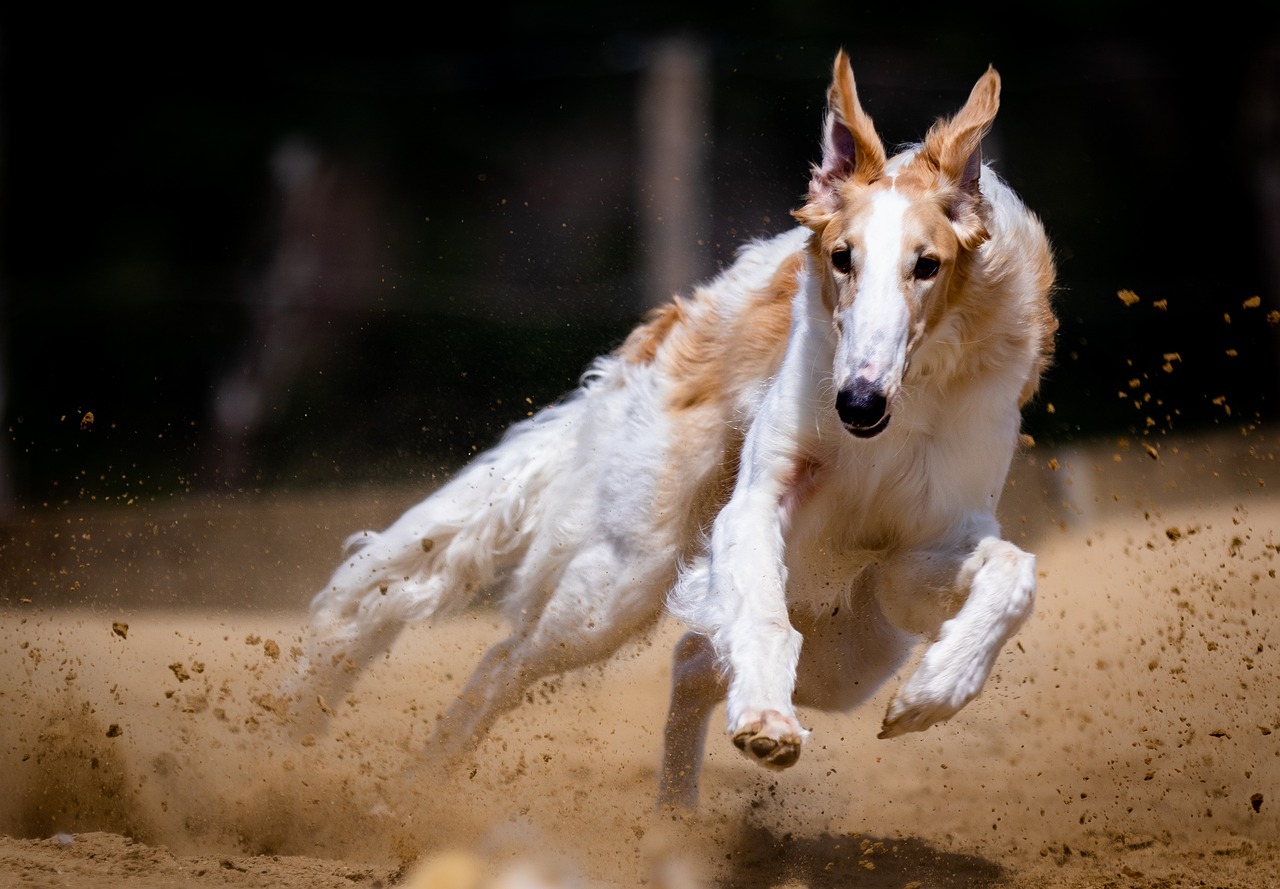

Signs Your Dog Needs a Break During Long Runs
When participating in endurance running with dogs, it is crucial to observe their behavior carefully. Dogs, much like humans, can experience fatigue and require rest periods throughout a long run. Knowing how to identify signs of fatigue can help ensure that your dog remains healthy and happy during endurance activities. Some signs include excessive panting, which indicates overheating, and slowed movements indicating tiredness. If your dog starts lagging behind, it’s a clear signal they need a break. Look for other signs such as misalignment in their gait or walking with a limp, which might mean they are in discomfort. Also, watch for behavioral changes; a normally eager dog may show signs of reluctance to continue. Offering water consistently keeps them hydrated and reduces heat stress as it impacts their performance. Lastly, consider the weather conditions impacting your run; higher temperatures can exacerbate fatigue and need for a moment of rest. Following these guidelines will keep your canine companion safe while enjoying endurance running together.
Another significant indicator of your dog’s need for a break involves their ears and tail posture. Dogs often communicate through body language, so observing their demeanor is essential. If your dog’s ears droop low to the side or their tail hangs down, these can be signs of fatigue or discomfort. Conversely, attentive ears and an upright tail typically indicate enthusiasm and energy. Furthermore, pay close attention if your dog starts to lag behind; they may become less interested in keeping pace with you. Running at a slower speed than usual or frequently stopping to sniff the ground might suggest they are overwhelmed. Additionally, your dog might start seeking out shade or cooler areas, showing an instinctive reaction to regulate their temperature. In such cases, it’s good practice to provide them with frequent breaks to rest. While you may be enjoying the run, your dog’s well-being is paramount. Always be prepared with water and a light snack to replenish their energy and keep them focused on the enjoyable aspects of the run.
Monitoring Water Intake
Keeping an eye on your dog’s water intake during long runs is essential for maintaining their health and hydration. Dogs can become dehydrated more quickly than you might expect, especially during warmer weather. If you notice your dog frequently stopping to drink water or they seem less enthusiastic about running, it could indicate they are getting dehydrated. A dry nose, lethargy, or a reluctance to chase after you are red flags to watch for. It is essential to hydrate them regularly, ideally every 30 minutes, depending on the temperature and effort level of your run. Additionally, if your dog refuses water at checkpoints or appears distracted, be cautious and consider taking a break. Monitoring their ability to keep up is necessary, as decreased stamina can also be a sign they are not feeling well. High-quality, portable water bowls are available to make hydration easier during your run. Remember, a well-hydrated dog is a happy dog, making sure both of you can enjoy endurance running without unnecessary risks.
Before heading out on a long run, assess your dog’s overall health to prevent situations that might require a break. Regular veterinary check-ups are crucial as they can catch underlying conditions that could affect endurance. Overweight dogs struggle more with sustained physical activity; ensuring your dog maintains an ideal weight for their breed can be beneficial. Regular exercise also builds stamina, preparing them for longer events. Another critical aspect to consider is their age; younger dogs may have more energy than older dogs, who might require more frequent breaks. Not being familiar with your dog’s fitness level can lead to overexertion, as each dog has different enabling capacities. Be sure to adjust the running distance according to how well your dog is coping with the pace. Learning to recognize their limitations will foster a positive experience. Always listen to your dog’s cues to establish a friendly and enjoyable running routine. In the end, enriching your bond through endurance activities should align with your dog’s capacity and well-being rather than simply pursuing distance.
Behavioral Changes to Observe
Keenly observing any shifts in your dog’s behavior during long runs reveals important insights into their need for a break. Dogs thrive on routines and familiarity, so an unexpected reluctance to run might suggest underlying issues. If they suddenly start barking or whining, it might indicate fatigue or discomfort that requires attention. An increase in stubborn behavior, such as refusal to follow commands, signals that they are mentally or physically drained. Furthermore, observe their interactions with other dogs; a lack of interest or desire to socialize could point to exhaustion. If your normally social dog is withdrawing, encourage a break to recharge. Uncharacteristic aggression or irritability during an activity can also flag fatigue or stress levels that are alarmingly high. Relaxation techniques such as gentle massaging or slow walking can help ease their discomfort and relieve them. Maintaining an open line of communication with your pet throughout your endurance runs will help them feel easier, promoting a more enjoyable and efficient exercise experience for both of you.
Your dog’s coat and breathing patterns profile also offer additional perspectives on their need for a break. If your dog exhibits excessive drooling, it may indicate overheating, particularly in warm environments. Dogs with thicker coats are more susceptible to heat stress, requiring more frequent breaks. Observe their gut reaction to heat; heavy panting or a rapid heartbeat can be problematic, impacting endurance capacity. When your dog displays signs of laborious breathing, it’s best to find shaded areas or a cool spot to rest. Likewise, when your dog’s posture changes, it often indicates discomfort or fatigue. Slouched backs or lowered heads necessitate a stop for recovery. Furthermore, if you notice a sudden change in stride or how they grip the ground while running, this could signal injury or strain. Proactively addressing minor concerns prevents future injuries while keeping your dog active and healthy. Keeping these aspects in check will ensure a smooth running experience while enhancing the time spent bonding through endurance activities.
Recognizing the Signs
Finally, understanding your dog’s limits is integral to ensuring a safe and enjoyable running experience. Being well-acquainted with their typical behavior helps you identify when something is off. If your dog suddenly loses interest in engaging with you or shows unusual disinterest in treats or toys during a run, take notice. Equally important is thinking critically about the amount of time you dedicate to running; constant exertion can be overwhelming. Taking time to assess their mental state is just as crucial as monitoring physical signs. A mentally exhausted dog may not perform well, even if physically they seem fine. Consistent training sessions tailored to your dog’s stamina will naturally improve their endurance over time. Respecting their limits ensures that you foster a positive running relationship. Take ample breaks, allow time to rehydrate, and if the environment feels too challenging, do not hesitate to cut the run short. Ultimately, prioritizing your dog’s well-being during endurance running crafts a healthy routine built on trust, enjoyment, and well-being for both of you.
In conclusion, ensuring your dog is enjoying their endurance running experience relies heavily on your attentiveness and understanding of their needs. Above all, learning to recognize and respect the signs of fatigue or discomfort will keep your dog safe and happy. Regular attention to hydration, behavior changes, and understanding their physical signals creates a much more positive atmosphere for everyone involved. Utilize the tips provided to craft a relationship built on trust, safety, and joy. Being proactive about your dog’s needs is invaluable to both of you as partners in this sport. Encourage breaks to prevent burnout while remaining sensitive to the environment and individual needs of your dog. Furthermore, communicating effectively with your furry friend promotes a long-lasting team spirit. Keep track of their progress and adjust your training efforts accordingly to their response during runs. Through building a strong foundation focused on balance, companionship, and enjoyable interaction, both dogs and owners can relish the beautiful experiences of endurance running together, reinforcing their bond and promoting fitness for a healthy lifestyle.