
Understanding Puppy Feeding Behavior and Aggression Prevention
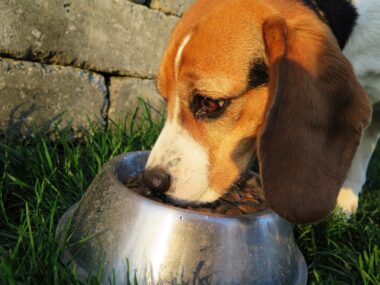
Feeding time can be a challenging moment for many dog owners, as it often brings out unexpected behaviors, including aggression. Puppies may exhibit signs of protectiveness over their food. This behavior stems from instinctive drives related to survival and competition for resources in the wild. Understanding these motivations can help ease feeding time tension. Owners may witness puppies growling, snapping, or even lunging when food is involved. These behaviors signal discomfort or anxiety regarding possible threats to their resources. It is essential to manage feeding environments proactively to establish positive associations with their meals. Proper techniques can significantly reduce tension during this critical time. Gradual introductions to feeding situations and creating a calm atmosphere are crucial steps. Additionally, maintaining a consistent feeding schedule contributes to your dog’s sense of security. When a puppy feels safe during meals, the risk of aggression diminishes. In the following sections, we will explore effective strategies for preventing aggressive behaviors during feeding times.
Positive reinforcement is a powerful tool for mitigating feeding aggression. It incorporates rewarding calm behavior during mealtime. For example, owners can offer treats before, during, or after meals when their puppy is calm. Incorporating distractions, such as toys or engaging activities, while feeding can also encourage positive associations. Puppies learn that feeding time is enjoyable, reducing competition-driven behaviors. Gradually introducing meals in controlled environments allows dogs to adapt comfortably. Maintaining a distance from other pets during feeding may alleviate stress and tension around resources. Additionally, rotating feeding locations can combat territoriality issues. Owners should be mindful of the puppy’s body language, ensuring they are not exhibiting signs of anxiety or discomfort. Understanding what it means when a dog is relaxed can help owners react to potential problems before they escalate. Training may also involve practice feeding methods to break negative patterns resulting from resource guarding. Remember, every dog is unique; therefore, each approach must be adapted to individual personalities and past experiences. Consultation with a professional trainer can provide tailored advice and strategies.
Understanding Body Language
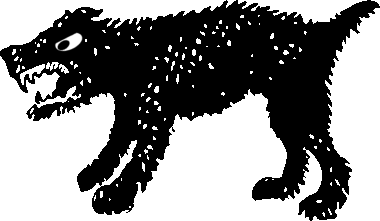
Recognizing your puppy’s body language is essential when addressing aggression during feeding. A puppy may display various signals indicating their mood and comfort level. For example, raised hackles or a stiff posture may indicate anxiety or defensiveness. Conversely, a relaxed body posture, wagging tail, and soft eyes indicate comfort and contentment. Owners need to observe these cues to identify when their puppy feels stressed or threatened. This understanding can help prevent aggressive responses. If aggressive behaviors become evident, removing the puppy from the feeding area until they calm down may be necessary. Another useful method involves desensitizing the puppy to perceived threats, gradually exposing them to what triggers their aggression. Pairing feeding with calming stimuli, such as soothing music or a gentle touch, can promote a more relaxed environment. Maintaining a calm demeanor through your body language also signals to the puppy that everything is okay and safe. Combining these approaches creates a positive atmosphere around feeding. It may also deepen the bond between the owner and puppy by fostering mutual trust and understanding.
Incorporating training games into feeding time can effectively address aggression. Interactive feeding bowls, toys, or puzzles can turn mealtime into a positive experience. Using these tools encourages smaller bites, promoting a paced eating routine that discourages competitive behaviors. Building a routine that associates meal times with play can change the puppy’s perception of food-related anxiety. Additionally, implementing ‘leave it’ commands during feeding can empower the owner to regain control of the situation. This involves teaching the puppy to obey commands before receiving their food, establishing that the owner dictates feeding occurrences. Positive associations with vocal cues can cultivate respect for boundaries. In cases where multiple dogs are present, feeding them in separate areas prevents competition. Managing meal times eliminates stress factors, which may lead to disputes. Offering each dog their feeding space creates individual comfort zones that allow them to relax. Consequently, aggressive behaviors will diminish as the dogs develop a trusting environment. Consistency in these practices reinforces learning through repetition, ultimately fostering peaceful feeding experiences.
Consult a Professional Trainer
Should aggressive behaviors persist, consulting a professional trainer is highly recommended. Trainers specialized in canine behavior can identify potential underlying issues driving aggression. They will provide tailored strategies based on each dog’s unique characteristics and needs. Additionally, a professional observes a puppy’s behavior in real-time, offering invaluable insights that can elude owners. Techniques used may include behavior modification strategies, management practices, and socialization advice. Implementing these expert suggestions can lead to profound improvements in feeding behavior. Trainers often highlight the importance of trusting the owner-pet relationship. Owners must demonstrate leadership while ensuring the safety and comfort of their puppies. Building a bond that combines protection with care is crucial. This relationship plays a vital role in minimizing aggression over time. Additionally, group training classes offer opportunities for puppies to socialize and learn healthy behaviors around food. Positive interactions with other dogs reinforce bite inhibition and reduce fear responses. Taking proactive steps toward aggression prevention creates an enriching feeding environment emphasizing trust and respect.
Socialization plays a pivotal role in preventing aggression during feeding times. Puppies exposed to various sights, sounds, and interactions develop resilience and confidence. Early experiences that normalize other dogs eating aids in reducing harmful guarding instincts. Attended training classes often provide structured socialization opportunities essential for developing positive behaviors. Dog parks or playdates with well-behaved, non-aggressive dogs can facilitate friendly interactions. Ensure that all encounters are positive by carefully supervising during feeding experiences. Positive reinforcement techniques encourage collaborative feeding habits among pups who learn that sharing can lead to rewards. Gradually exposing your puppy to food while other dogs are present allows them to associate feeding with cooperation rather than competition. This approach curtails resource guarding tendencies, minimizing aggressive behaviors. Incorporating ongoing socialization even after the puppy is settled will reinforce positive developments. Dogs thrive on routine and structure, so adhering to specific feeding times fosters security. Proactively addressing aggression will create healthy habits that strengthen relationships and ensure that all interactions around food are manageable, enjoyable, and, most importantly, safe.
Conclusion
In conclusion, effective management of puppy feeding aggression requires understanding, consistency, and kindness. Proper preparations reduce anxiety while establishing trust implies a calm feeding atmosphere. Owners should remain vigilant in observing puppy behavior and recognizing distress signs. Implementing positive reinforcement, professional guidance, and ongoing socialization ensures that feeding times remain peaceful without aggression. Owners can significantly impact how their puppies react to food through behavioral strategies and training. Ultimately, creating positive feeding experiences enhances well-being, allows the owner and puppy relationship to flourish, and ensures safe, enjoyable meals. The techniques highlighted in this article offer practical solutions to minimize aggression. Additionally, tailoring approaches to each puppy’s unique traits ensures individualized care and attention. Through these efforts, owners foster an enriched environment conducive to growth and positive experiences at meal times.