
Using Travel to Reduce Social Anxiety in Cats
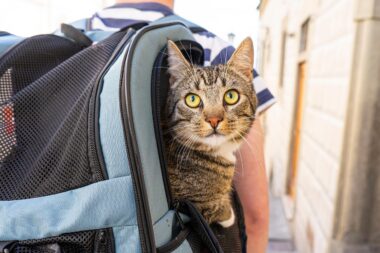
Travel can be a significant factor in helping cats manage their social anxiety. Introducing your cat to new environments gradually can enhance their confidence and social skills. Cats, much like humans, can experience anxiety when faced with unfamiliar situations. Travel allows them to encounter various settings, which can decrease their fear of the unknown. By exposing your cat to new experiences outside their usual habitat, they learn that the world is not as threatening as it seems. Additionally, it can change their perception about other animals and people. When planning to travel with your cat, ensure the trip is safe and stress-free. A well-prepared journey includes a comfortable carrier, familiar items, and regular breaks. Consider taking short trips at first to gauge your cat’s reactions before embarking on longer adventures. Always observe your cat’s body language for signs of stress or discomfort, and adjust your travel plans accordingly. Gradually increasing travel exposure can lead to a more sociable and adaptable pet. Most importantly, travel can serve as bonding time between you and your feline friend, enriching both your lives significantly.
Understanding your cat’s personality is crucial for successful travel. Some cats thrive on adventure, while others prefer the calm of home. Acknowledge their individual temperament before planning a trip. Consider whether your cat is generally outgoing or shy. If they tend to be more reserved, start with local outings or visits to nearby friends who own pets. These small steps can help your cat develop social skills without overwhelming them. It is essential to create a positive association with travel during these outings. Bring along treats and favorite toys to reassure your cat in unfamiliar surroundings. The goal is to make these experiences enjoyable rather than stressful. Familiar scents and sounds can ease your cat’s anxiety, making travel feel less intimidating. Remember, your mood can also influence your cat’s experience. Remain calm and encouraging throughout the trip. Patience is vital, as every cat adjusts differently to new environments. Along the way, observe how your cat interacts with new sights and sounds. Recording their responses can help you plan future travels more effectively and help mitigate their anxiety levels over time.
Benefits of Travel for Socialization
Travel offers numerous benefits for a cat’s social development. By exposing them to a variety of experiences, they learn to adapt and interact better with their environment. One significant advantage is increasing their confidence. Confident cats are generally more sociable and less fearful of new encounters. They’re likely to explore new spaces and meet unfamiliar people and pets without apprehension. Socialization through travel can also reduce behaviors stemming from anxiety, such as excessive meowing or hiding. Improved social behavior leads to a more harmonious home life. Regular, positive travel experiences can make cats less territorial and more open to hosting visits from other pets or friends. Additionally, it can foster a deeper bond between you and your pet, as shared experiences strengthen emotional connections. Traveling together introduces your cat to the outside world, diminishing feelings of isolation. Encourage your cat’s curiosity by allowing them to explore safely while accompanying you on trips. Always ensure your cat has access to their favorite items, as this can provide comfort during travels. Over time, you’ll notice a more adaptable and sociable cat willing to embrace life’s adventures.
Preparing for traveling with your cat is essential for a successful experience. The first step involves ensuring your cat is comfortable and safe within a well-ventilated carrier. It serves as their sanctuary during the journey, so choose a familiar and spacious one. Additionally, acclimate your cat to the carrier ahead of time. Allow them to explore it in a safe environment at home, thereby reducing anxiety for future trips. Pack essential items, including food, water, and a portable litter box. This preparation ensures your cat’s comfort during long journeys. Moreover, consider travel timing carefully; avoid peak hours to minimize stress and make interactions less daunting. During travel, stop frequently to check on your cat and offer them refreshments while allowing for bathroom breaks. If your cat seems anxious—try playing calming music or speaking softly. Creating a tranquil atmosphere can greatly impact their traveling experience. It’s crucial to maintain a routine as much as possible; familiar cues can help soothe anxious pets. With planning and attention to detail, you can significantly enhance your cat’s travel experience, leading to positive socialization.
Short and Long-term Effects of Travel
The effects of travel on cat socialization can be both short-term and long-term. Initially, cats may display anxiety and hesitation in new environments, but with consistent exposure, these reactions will typically decline. You might notice improvements in their ability to adapt to unfamiliar situations, as they gradually become accustomed to a variety of settings. Social experiences can help them become more confident and interactive, decreasing anxiety in routine situations, such as visits to the vet or boarding facilities. Over time, travel can reshape a cat’s attitude towards new environments and experiences. This newfound adaptability can foster more positive relationships with other animals and humans. Long-term benefits include a more relaxed and sociable demeanor, which enhances not only their quality of life but also your own. Participating in local events or pet-friendly activities may deepen their comfort level with groups. Engaging with other pet owners can create social opportunities for you as well. Thus, consider forming connections with fellow travelers, as shared experiences can lead to valuable friendships. These connections ultimately create a supportive community for both you and your sociable cat.
Monitoring your cat’s behavior after travel is essential for continued socialization. Observing how they respond to familiar and unfamiliar environments post-journey helps identify progress or setbacks. Look for changes in your cat’s body language as they reintegrate into their routine; signs of stress may require additional reassurance or socialization efforts. Interaction with new people or pets can serve as an excellent opportunity to reinforce positive behaviors learned during travels. Encourage playtime and positive reinforcement when your cat exhibits calmness and curiosity in new situations. Avoid forcing interactions that may cause anxiety, as this could hinder progress. Instead, provide a safe space for them to retreat if needed. Regular trips to the same locations can also reinforce familiarity, helping your cat feel safe in the environment. Engage them in exploration opportunities, allowing them to dictate their level of comfort. Over time, these experiences can help your cat develop a sense of adventure, which is paramount for reducing overall social anxiety. Consistency in these practices will help maintain the benefits gained from travel, paving the way for a well-adjusted feline companion.
Conclusion: The Path to Socializing Your Cat
The journey of socializing your cat through travel can be immensely rewarding. Every successful trip contributes to a more confident and adaptable pet. Remain patient, recognizing that progress may be gradual; some cats may thrive immediately, while others need time and reassurance. Establishing a routine before, during, and after your travels is crucial for fostering comfort and security. Create a positive environment for your cat’s exploratory nature by frequently introducing diverse experiences, thus allowing growth and learning opportunities. Always prioritize their safety, comfort, and well-being while traveling; this builds trust between you and your feline. Gradual exposure to new experiences enhances social skills and helps diminish social anxiety, ultimately leading to a more harmonious home life. Make it a point to monitor your cat’s reactions consistently, adjusting your approach based on their comfort level. Embrace each adventure, no matter how small, and use it as an opportunity to strengthen your bond. In the end, your efforts in socially training your cat will pay off with a more relaxed pet and a happier relationship. The world outside may bring slight challenges, but with preparation, it becomes a realm of opportunities.
Your commitment to socializing your cat through travel opens paths to enriching experiences for both of you. Embrace the ups and downs involved in your journey, recognizing every small accomplishment as a vital step towards improving their emotional wellness. Make each outing a memorable adventure, paving the way for a fulfilling connection with your feline friend.