
Checklist: What Every Dog Training Obedience Kit Should Include
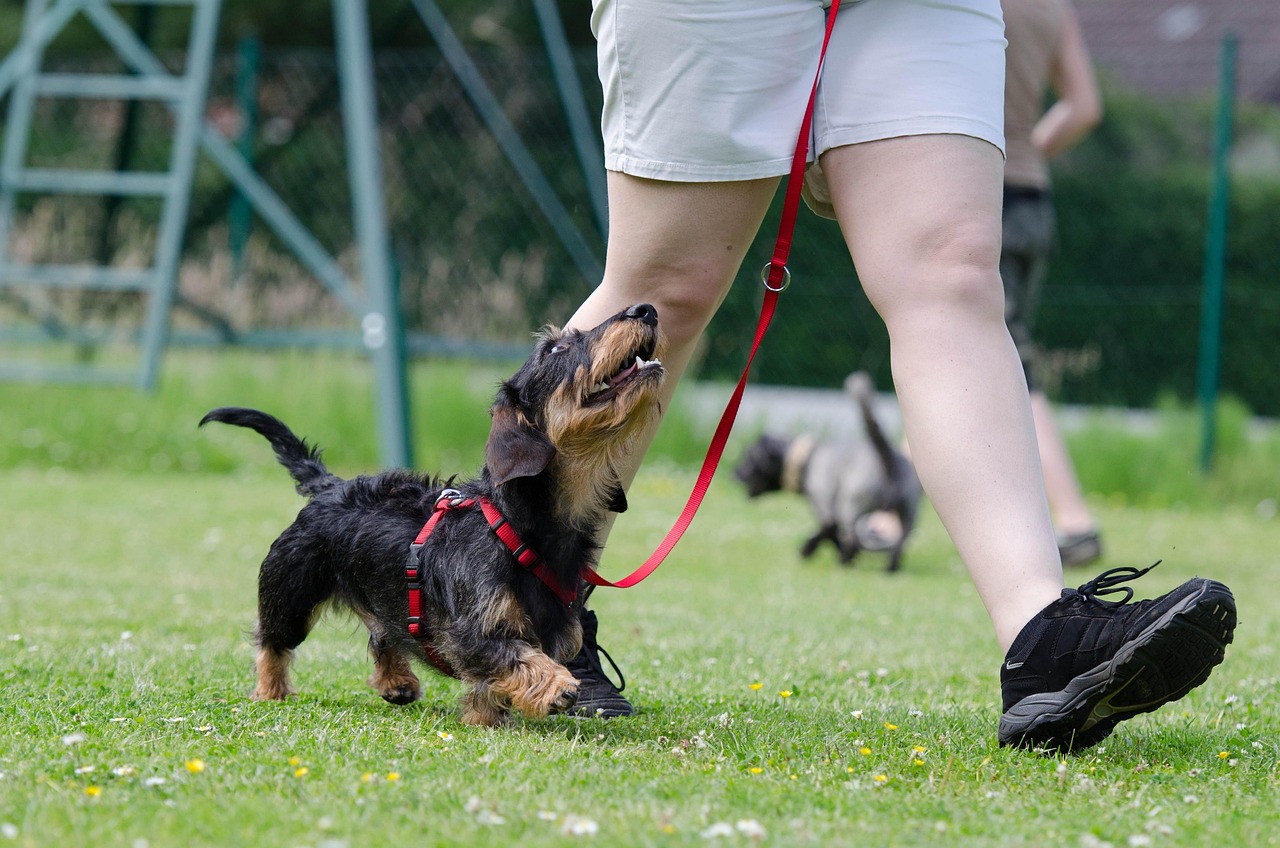
When selecting a dog training obedience kit, it is essential to consider various critical tools and items that ensure effective training. Each dog is unique, and having the right equipment can make all the difference in achieving optimal results. First and foremost, a high-quality leash is fundamental for teaching basic commands. Look for a leash that is durable yet comfortable for both the dog and the trainer. Additionally, a well-constructed collar is vital, as it not only helps control the dog but also provides a means for identification. Many trainers recommend using a harness for dogs that might benefit from additional support during training sessions. To engage your dog fully, consider including a few different types of toys in the kit; rewards such as balls or treats can motivate and reinforce positive behavior. It’s also beneficial to have a clicker or a whistle to provide precise feedback. Lastly, incorporating an instructional manual can guide novice trainers effectively through teaching commands and behaviors.
Another essential item to include is a selection of high-value treats, which can significantly enhance your training sessions. While training your dog, using tiny, soft, and delicious treats can maintain their interest and motivation. Opt for treats that are made from high-quality ingredients, ensuring that they are nutritious and appealing to your furry friend. Furthermore, an obedience training book can serve as a helpful reference for both novice and experienced trainers. When choosing a book, look for one that covers various training techniques and styles, allowing you to adapt your approach according to your dog’s needs. Moreover, a portable water bottle may also be necessary, especially during longer training sessions or outdoor activities. It is important to keep your dog hydrated, particularly when the weather is warm. Additionally, incorporating various training tools such as agility equipment, like jumps or tunnels can engage your dog physically and mentally, making training more enjoyable for both. Invest time in understanding what equipment aligns best with your training goals.
Basic Commands and Equipment for Success
To succeed in dog training, it is necessary to focus on fundamental commands, which require certain tools for effective teaching. Start with receiving proper guidance and direction; several obedience kits include training charts or checklists to track progress. These charts could assist trainers in establishing clear goals and measuring the dog’s achievements over time. In addition, basic commands like sit, stay, and come require repetitive practice, and having access to a sound training clicker can aid in reinforcing desired outcomes. The sound generated from the clicker serves as an immediate marker for the dog, promoting understanding of the desired behavior. Hence, the clicker should be part of every training kit, if only for that reason. Prepare for different environments by including equipment that facilitates outdoor training sessions, such as a longline leash to allow freedom while maintaining control. Because distractions are commonplace outside, equip yourself with patience and determination. Finally, investing in a training whistle can communicate commands even from a distance.
While training equipment is essential, the individual working with the dog must also possess the right mindset and attitude. Having the right attitude ensures a positive training experience for both the trainer and the dog. Always proceed with patience and consistency, as these elements foster a trusting relationship. Use positive reinforcement to encourage your dog’s participation and good behavior. The combination of praise, treats, and play creates a supportive and enjoyable atmosphere that will help your dog learn more effectively. Furthermore, maintaining a calm demeanor is vital to prevent overstimulation or confusion in your dog. Creating a reliable training schedule can lead to better results, as dogs thrive on routine. Setting aside a specific time each day dedicated solely to training can help establish this routine. Another recommendation is to track your dog’s learning and adjust training methods if necessary. Encourage friends or family members to assist you, as having multiple people involved can expose your dog to diversified training styles. This diversity can ultimately equip your dog with adaptability in various circumstances.
Long-Term Goals and Training Equipment Longevity
Throughout your dog training journey, setting long-term goals is crucial to measure your dog’s progress and accomplishments. Regularly check your dog’s performance on various commands, ensuring you adhere to specific benchmarks. As your dog improves and learns, upgrading training tools can also be necessary. For instance, certain equipment may wear out or no longer be suitable as your dog becomes more advanced. Always choose durable and high-quality items that can withstand wear and tear, ensuring long-term usability. Investing in a resilient training crate makes it easier for your dog to feel safe and secure during training sessions. Additionally, having protection gear for outdoor training can significantly enhance safety while providing a secure environment. Encourage engaging activities outside of training sessions, such as participating in socialization classes or playgroups, which help generalize training skills. Always maintain a cabinet with ample storage for all of your training equipment. Developing a proper system can minimize confusion and time spent looking for items when it’s time to train your dog. A well-organized approach leads to effective training outcomes.
Identifying what works best for your dog is vital when assembling your training toolkit. Each dog may exhibit different responses to various techniques or tools, and understanding these preferences is essential. Some dogs may respond to certain motivational techniques better than others, requiring adjustments to training activities and equipment. Observe your dog’s behavior and modify your methods accordingly; this may involve trying out several types of reinforcers or switching between different tools. Utilize experimental training by mixing up the equipment; if you find a new toy or tool that excites your dog, embrace it wholeheartedly. Similarly, each dog may have distinct reactions to touching various surfaces during training activities, necessitating exploration in outdoor settings. Consider bringing along unique elements such as mulch or grass while training to familiarize your dog with different sensations and scenarios. Socialization with other dogs can lead to increased comfort in varying situations and help exhibit some of the skills encouraged in training. Patience, understanding, and responsiveness are all crucial attributes for effective dog training.
Conclusion: Building a Successful Training Experience
Establishing a successful dog training experience encompasses various factors, including suitable equipment, a positive mindset, and the understanding of individual dog behaviors. By prioritizing the assembly of comprehensive training kits that meet your dog’s distinct needs, you can enhance the training process. Invest in tools that not only promote effective training but also create an enjoyable atmosphere beneficial for both the trainer and the dog. Providing sufficient variety in your training kit allows for dynamic and engaging training sessions tailored to your dog’s preferences. Continuous monitoring and adjustment of your training routine can yield significant long-term benefits. Exploring diverse training opportunities such as classes or workshops allows for ongoing development in your skills as a dog trainer. Ultimately, collaboration and communication with your furry companion are the cornerstones of a successful training journey. Stay committed to establishing a lasting, positive relationship with your dog, focusing on building trust and understanding. Emphasizing the joy of learning and play will ensure not just obedience but lasting camaraderie as well. Just remember to enjoy the process and celebrate progress along the way.
The journey of dog training is filled with learning experiences that can be rewarding for both you and your pet.