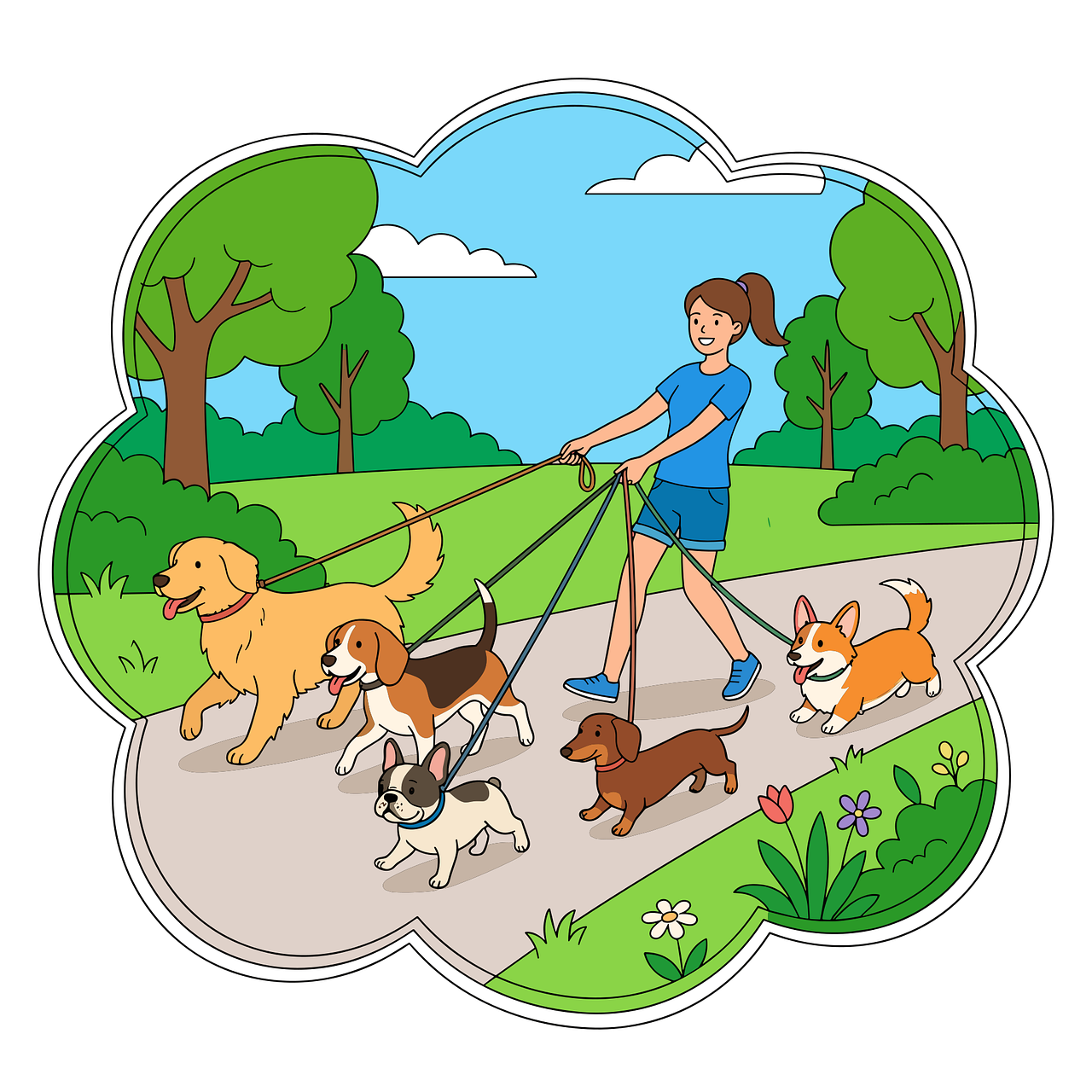

Feeding and Hydration Strategies While Traveling with Multiple Dogs
Traveling with multiple dogs requires careful planning, particularly when it comes to their feeding and hydration. Ensure that you have adequate supplies of their usual food, as sudden changes might upset their stomachs. Consider packing individual feeding bowls for each dog, as this will make mealtime easier and prevent food aggression. Always measure out their portions ahead of time; this will help you maintain their feeding routine and avoid overfeeding. You might use plastic containers for each dog’s unique food, labeling them to ensure you do not mix them up. Bring enough water for all dogs while traveling, as dehydration can lead to serious health issues. Collapsible water bowls are great for travel, allowing you to hydrate your pets more efficiently. It is also advisable to stop regularly during your journey; this provides an opportunity for hydration and bathroom breaks. Additionally, expose your dogs to their food and water gradually in a new environment. Transitioning them slowly can reduce anxiety and help them adjust to travel stress, ensuring their overall comfort and wellbeing.
When it comes to choosing the right food for travel, opt for high-quality, nutrient-dense options. Traveling may disrupt their routine, and having energy-dense food can ensure they maintain their strength and health. Consider options like dehydrated meals or freeze-dried formulations, which require minimal prep and space. These choices can simplify food management in transit while still being nutritious. Remember to include specific dietary items for each dog, such as treats and supplements they may need. Carrying extra snacks can help soothe and comfort your dogs during stressful periods. Moreover, establishing a consistent feeding schedule can prevent unwanted behavioral issues while on the road. Stick to their regular feeding times as much as possible; predictability helps dogs adapt and lowers anxiety. When you stop for the day, create a peaceful environment for meals. Settle them in a quiet space with minimal distractions. This will help each dog focus on eating and drinking, creating a consistent routine to strengthen their comfort. It is important to monitor each dog’s intake closely and ensure all receive adequate hydration and nutrition throughout your trip.
Feeding Techniques on the Go
One innovative feeding technique for traveling with multiple dogs is to use a timed auto-feeder. These devices can dispense the right portion of food at your scheduled mealtimes without requiring your constant attention. This eliminates the need to pack numerous bowls and reduces mess, making it ideal for long journeys. When considering these automatic feeders, ensure they are travel-friendly and can withstand the rigors of travel. Additionally, plan for mealtimes after your more active periods on the road, as packing food during stops can be hectic. You might want to create designated stops for feeding, which not only allows for eating but also enables bathroom breaks. Make sure to have your dogs in a controlled area when feeding them to avoid distractions or food fights. In some instances, dogs may become more picky while on the move; if needed, be creative with meal presentation. Offering food in different formats or adding tasty toppings can entice reluctant eaters. Make every meal a positive experience by encouraging calm and patience, as this reinforces good behavior around food, making future meals more pleasant.
Hydration during travels cannot be overstressed since dehydration can lead to serious complications in dogs. Frequent breaks for water not only keep your pets hydrated but also allow them to stretch their legs. It’s also essential to recognize signs of dehydration early, including excessive panting, sunken eyes, or lethargy. Always have fresh water available, regardless of travel distance, since dogs are active and lose more fluids during excursions. If your dogs are reluctant to drink when on the road, try offering water during their stops after exercise. Sometimes, a quick play session before presenting the water encourages them to drink more. You might also consider carrying flavored water, as many dogs prefer slightly enhanced tastes. An alternative could be using ice cubes in their bowl, particularly during hot weather. They can lick and chew on ice cubes while hydrating themselves. Furthermore, keep temperature concerns in mind, particularly on long trips; don’t leave water in the car for extended periods. Dogs may refuse to drink warm water, making accessibility critical during your travels.
Maintaining a Balanced Diet
Ensuring your dogs maintain a balanced diet while traveling is just as vital as their hydration. Having a varied selection of food options can support their nutritional needs and prevent boredom from repetitive meals. Choose foods featuring a mix of proteins, vegetables, and grains that suit their individual preferences and needs. It’s crucial to include dog-safe snacks in your travel bag; rewards can be a great incentive for good behavior throughout the journey. Examples of such snacks include carrots or apples – healthy and less messy. Store treats in accessible containers; this will help you reward good behavior seamlessly when it arises. While on the road, avoid indulging your dogs with unfamiliar food. Stick to their regular nutrition to prevent digestive disturbances. Understanding who eats what can also help; you may create a ‘meal plan’ or visual chart for better contentment and structure. This will assist everyone in getting proper meals without confusion or stress. Furthermore, while vacationing, observe your dogs’ reaction to food changes; consult with a veterinarian if any issues arise related to their diet adjustments.
Experimenting with travel-friendly feeding options might include portable hydration packs or bottles. These compact tools allow you to quickly provide water without complicated setups. Look for products specifically designed for canine hydration, showcasing broad mouths for easy access. This ensures you can keep your dogs well-hydrated no matter where you stop. Make sure the container is easy to transport. Dogs can be unpredictable, so having reliable equipment is essential. Another tip would be to use a pet-friendly collapsible bowl that takes minimal space and can be easily rinsed out at each stop. Regularly clean your feeding gear to avoid unwanted bacteria, maintaining hygiene for your pets. Additionally, designate a specific parking spot during road trips, allowing a familiar environment for feeding and refreshment. Dogs feel more at ease in known environments, reducing their anxiety. Implementing a routine around stopping for bathroom breaks and feeding routines creates a beneficial structure for all dogs involved. Moreover, take notes on each dog’s behavior and food preferences throughout the journey to further enhance meal preparation during your next trip.
Post-Travel Meal Adjustment
After returning home from a dog-friendly adventure, adjusting their meal routine is essential for a successful transition. Dogs need time to reacquaint themselves with familiar surroundings, so maintaining their normal feeding schedule is vital. Gradually reintroduce their usual feeding habits to support digestive wellness, particularly if any disruptions occurred during travel. Pay close attention to portion sizes, as dogs might be less active than during your trip. It’s also prudent to observe each dog closely; this ensures they are adjusting well back into their routine. Look for changes in behavior as they settle back home. Some dogs may need encouragement to eat after travels, staying patient and offering positive reinforcement. Consider using their favorite food or adding enticing toppings to stimulate their appetite. Unlike some pets, others may overindulge after long trips; therefore, monitoring their intake is crucial. Providing them with a quiet, stress-free environment fosters calmness. Ultimately, the return home should reinforce comfort, routine, and normalcy. Striking that balance between their travel experiences and familiar domestic life is essential for their overall well-being as they readjust.
Funding travels with multiple dogs translates into careful planning surrounding their feeding and hydration strategies. Keeping the overall experience positive can ensure travel time turns into cherished memories. Preparation leads to happier, healthier dogs and a joyful journey. Whether packing food, selecting water options, or understanding their needs, the nuances matter, creating a fulfilling journey. Familiarity, consistency, and skillful management allow for the trip’s simple enjoyment. Dogs thrive in structured environments, and this encapsulates many feeding strategies; from regular mealtimes to hydration methods, your dog’s comfort is principle. Always remember to cater to their emotional stability during transitions, particularly when experiencing travel discomforts. By ensuring their nutritional needs are met and hydrating appropriately throughout your travels, the road becomes much more enjoyable. Ending each travel session has some reflections on ways to improve future travels. Gathering insights from previous journeys enhances your experience in constructive ways, paving the path toward more successful pet adventures. Enjoy your travels, fostering bonds with your dogs while crafting pleasant moments they will cherish.