
Incorporating Puzzle Toys and Physical Activity for Optimal Health
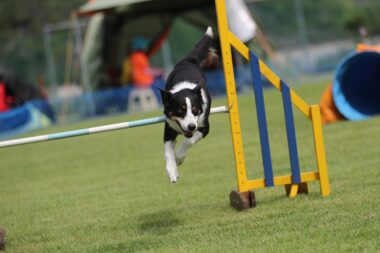
Dogs, like humans, experience mental health challenges. Inclusion of physical activities and puzzle toys is vital for their well-being. Engaging dogs physically helps reduce stress, anxiety, and boredom. Regular exercise improves cognitive functions while burning off excess energy. You can integrate physical activities like walking, fetching, and agility training. Additionally, puzzle toys promote mental stimulation and keep dogs entertained, which profoundly impacts their happiness. Daily engagement in intellectual pursuits can enhance a dog’s mood, reducing the risk of behavioral issues. By regularly providing challenging toys, you reinforce positive behaviors while also making playtime enjoyable. Owners should consider the dog’s size, age, and ability when selecting appropriate toys or activities. For instance, older dogs may prefer gentle play while young ones require active games. A balance between physical and mental stimulation ensures a well-rounded approach to your dog’s health. Incorporating both these elements helps in building a healthy routine. Staying consistent with exercise allows dogs to develop strong habits, leading to a more fulfilling life. The combination of mental enrichment and physical movement minimizes destructive behaviors, leading to a happier pet.
Understanding the types of exercises and toys that work best is paramount. Exercise can include anything from quick walks to vigorous runs or fetch sessions. On the other hand, puzzle toys vary from simple treat-dispensing balls to complex interactive games. These toys challenge dogs to think and work for their rewards. Dogs thrive on mental challenges, and offering these activities promotes cognitive growth. Engaging dogs with these enriching experiences allows for stronger bonding sessions. It’s beneficial to rotate these activities regularly to keep your dog interested and engaged. Ensure each activity caters to your dog’s preferences and capabilities, avoiding frustration or fatigue. Incorporating variety can keep things fresh and exciting. Additionally, engaging friends or pets during play can enrich social skills. Mix solo and group activities for well-rounded stimulation. As dogs age, adjusting the intensity and duration of exercise is essential for their safety. Owners can implement shorter, more frequent sessions. Maintaining a consistent routine helps dogs anticipate daily activities, allowing them to feel secure and content. Owners who educate themselves about dog behavior can foster understanding and empathy toward their pets, enhancing this effective approach to mental health.
Also, understanding body language is crucial in recognizing when a dog is stressed or overwhelmed. Physical activity can also mitigate some behavioral issues that arise from boredom or anxiety. Therefore, reading signals from your dog can help tailor targeted exercises that match their needs. Introducing various puzzles encourages engagement and stimulates the brain, which is essential for an active lifestyle. Consider toys that require multiple steps or challenges to keep dogs interested and motivated. Observing them tackle these challenges can be rewarding for owners, fostering helpful interactions. Enhancing your dog’s physical health translates to better mental resilience as they learn to problem-solve and navigate through tasks. Combining endurance exercises with problem-solving games can create a satisfying balance. Plus, these shared moments also strengthen the human-animal bond. Individual preferences vary, so testing different activities allows dogs to find their favorites. Additionally, working collaboratively can yield achievement and foster trust between the owner and dog. Regular routines help solidify associations between physical activity and positive outcomes, nurturing a happier, healthier canine. Owners must commit to integrating these elements into daily life for the best results.
Benefits of Structured Play
Structured playtime is essential for dogs, offering consistent benefits that directly impact their mental health. Assigning time each day for play helps create a sense of routine, which dogs find comforting. A healthy schedule encourages physical activity just like a well-planned exercise regimen. Dogs needed to burn energy through various tasks to maintain balance and prevent potential behavioral issues. Structured activities promote socialization, allowing dogs to learn key skills from interacting with owners and other dogs. Regular exposure to varying environments through play can foster adaptability and resilience against stress. Additionally, this reinforces confidence by setting manageable objectives for dogs to learn new tricks or commands. As they succeed, they gain a sense of achievement that impacts their self-esteem positively. Positive reinforcement methods during these sessions can further improve behavioral attitudes. Engaging games can include hide-and-seek, tug-of-war, or agility courses, allowing for physical exertion coupled with mental challenges. Over time, owners will notice an improvement in their dog’s overall happiness and mood with consistent structured play. Regular engagement ensures dogs remain active while giving owners an opportunity to bond through enjoyable interactions.
Moreover, ensuring dogs have daily opportunities for both physical and mental activities promotes far-reaching benefits in behavior patterns. Regular exercises facilitate more restful sleep, reducing overall anxiety in dogs. Coupling physical activity with positive, mental challenges cultivates a well-adjusted canine companion. Dog owners should aim for diverse activities that encourage healthy habits while keeping routines exciting. Rotating toys and exercises every week can prevent stagnation and foster curiosity. Plenty of exercise can ward off obesity issues, which can further promote mental well-being. Integrating high-energy tracks or dog parks allows dogs to engage socially, satisfying their need for interaction while remaining active. Consequently, owners become more in tune with their dog’s stress levels as they actively participate in their care. Ultimately, creating an environment that encourages exploration, engagement, and play can help achieve overall happiness for pets. By nurturing positive relations through these practices, owners set a foundation for long-term health and happiness. It fosters dynamic, loving relationships that enhance life quality for both parties, showcasing the impressive ability bond with pets holistically, addressing the importance of mental wellness.
Conclusion: Adopting a Holistic Approach
To conclude, incorporating puzzle toys and physical exercises serves as a holistic approach to enhancing dog mental health. These methods are beneficial for establishing a routine that promotes optimal health and happiness. Above all, it’s essential to remain observant and responsive to a dog’s individual needs for maximum benefits. Owners committed to understanding their dog’s behaviors can help in creating tailor-made exercise scripts that offer both fun and structure. This leads to meaningful interactions that nurture bonds between dogs and their owners while contributing toward mental and emotional health. Engaging varied brain-stimulating games can greatly reduce anxiety, promoting overall happiness. Moreover, balancing these elements between mental and physical strategy leads to improved behavior and satisfaction. The benefits escalate through increased confidence and physical health, ultimately creating a more relaxed atmosphere. Regularly challenging dogs through diverse routines can also facilitate greater engagement with their environment, further reducing stress. As a whole, dogs who receive comprehensive care through these methods embody a more receptive and thriving disposition. Emphasizing both activities encourages owners to provide well-rounded lives for their beloved companions, enriching the synchrony of relationships.
Finally, incorporating these strategies is a rewarding responsibility for pet owners. Not only do they enhance dog well-being but they also encourage deeper connections between pets and their guardians. Observing their pets enjoy the dynamic engagement reinforces the bond between them, demonstrating how these aspects contribute to dog mental health. Striking balance and making fine adjustments between these activities based on a dog’s preferences is key for success. Thus, owners should commit to exploring various possibilities to maximize their dogs’ mental and emotional well-being. Gradual improvements will manifest through attentive care, allowing dogs to thrive under loving guidance. Remember, successful integration relies on thoughtful assessment and personalization, catering directly to each dog’s emotions and behaviors. Ultimately, equipping dogs with tools for problem-solving and physical enjoyment ensures they lead fulfilling lives. Effective exercise and interactive play are essential within dog routines, providing myriad benefits for mental health. It all starts with dedicated owners willing to prioritize their dog’s needs. Adopting inclusive strategies results in a happier, healthier canine companion that contributes positively to family dynamics.