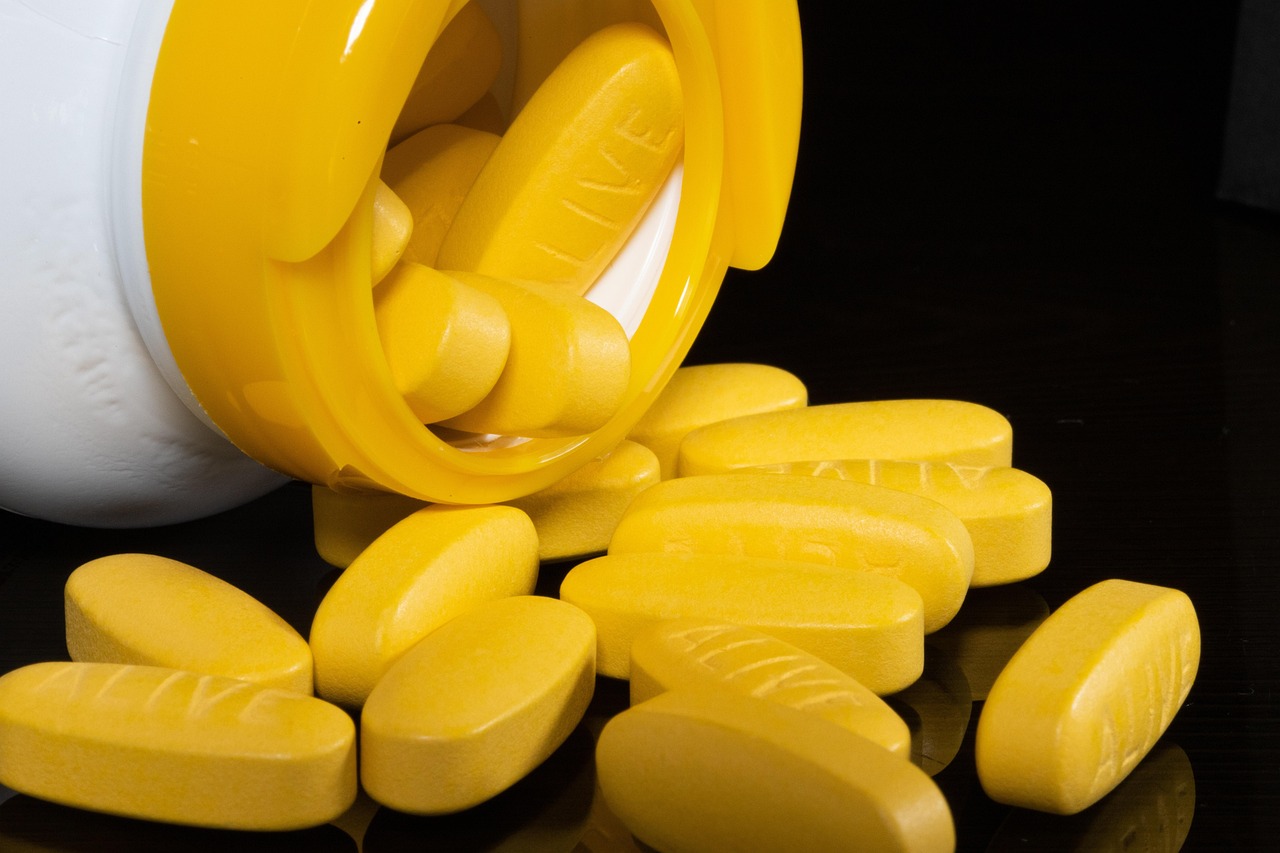

Senior Dog Supplements: What to Avoid for Optimal Health
As your dog ages, incorporating supplements can provide much-needed support for their health. However, not all supplements are created equal. It’s essential to ensure that any supplement you choose is suitable for your senior dog’s needs. First, conversations with your veterinarian can yield valuable insights regarding appropriate supplements. Some common ingredients, such as glucosamine, omega-3 fatty acids, or antioxidants can be beneficial. Second, always verify the ingredients to avoid substances that may harm your dog’s health. For instance, certain fillers or artificial flavors might pose unnecessary risks. Third, look for quality certifications to ensure the product meets safety standards. Be cautious of supplements claiming exaggerated benefits without scientific backing. In particular, products promoting ‘miracle cures’ should be approached with skepticism. Additionally, care should be taken in dosing, as too much of even a beneficial supplement can lead to adverse effects. Therefore, it’s crucial to obtain proper dosage recommendations from your veterinary professional. For an informed choice, prioritize quality and safety when selecting reputable brands. Additionally, understanding your dog’s unique health conditions will aid in making the right decisions.
Taking responsibility for your senior dog’s health entails knowledge of potential harmful ingredients in supplements. While some substances like glucosamine assist in joint health, others can adversely affect your dog’s liver or kidneys. For example, high doses of certain vitamins can lead to toxicity. Specifically, avoid excessive amounts of Vitamin A and D, as they can result in severe health complications, including organ damage. Furthermore, certain preservatives or fillers, such as BHT and BHA, may also trigger adverse reactions in senior dogs. Always choose supplements with natural ingredients that do not include artificial additives or colorings. Additionally, be cautious with any supplement containing large amounts of sugar or salt, which might contribute to unhealthy weight gain or exacerbate existing health issues. When shopping, make a habit of reading product labels meticulously; understanding what every ingredient does can help you make informed choices. Moreover, consult online resources or your vet for further clarification on specific ingredients. Lastly, prioritizing your dog’s comfort while integrating new supplements will aid in ensuring a positive experience throughout their senior years.
Identifying Quality Over Quantity
When investing in your senior dog’s health, quality should always take precedence over quantity. Supplements with an extensive list of ingredients may seem appealing but often confuse dog owners. Instead, opt for products with fewer, high-quality ingredients known to benefit senior dogs’ unique needs. For instance, a joint supplement containing glucosamine combined with chondroitin can be effective for mobility support. Similarly, omega-3 fatty acids derived from fish oil contribute beneficial effects on arthritis and general inflammation. Besides, focus on supplements that highlight the source of their ingredients. Third-party testing certification verifies actual ingredient content and ensures purity, which further adds assurance regarding your choice. Additionally, look for brands recognized for their dedication to animal health and well-being. Do not hesitate to reach out to pet owners who have experienced certain brands, as their insights can provide invaluable information. Furthermore, researching credible online forums and reviewing product ratings can help clarify quality expectations. Always remember that while good supplements can enhance your dog’s life, consistency and care are equally paramount to their overall health.
Another critical aspect of senior dog health involves the appropriate timing and administration of supplements. Pets can become averse to routine changes; thus, introducing new supplements gradually and thoughtfully is key to maintaining their comfort. Additionally, understand the right times to administer supplements for optimal absorption. For example, some supplements perform best when given with food, while others may be more effective on an empty stomach. Likewise, offers numerous benefits—look for products indicating whether their ingredients have a specific absorption window for consideration. Monitoring your dog’s response after starting any new supplement is crucial as well, noting behavioral or physical changes. Be prepared to adjust your approach or discontinue a product if adverse effects occur. Moreover, periodic assessments are important as your senior dog’s health can change quickly. Regular consultations with your vet will help you keep up with their unique needs. Furthermore, always keep the lines of communication with your veterinarian open to report any unexpected side effects. In this way, you can establish a more personalized approach to your senior dog’s supplement intake.
Natural Alternatives and Their Benefits
As we delve into alternatives for your senior dog’s supplement regimen, a holistic approach becomes increasingly appealing. Natural supplements can provide substantial health benefits without exposing your pet to synthetic additives. For instance, turmeric is well-known for its anti-inflammatory properties, promoting joint health. Similarly, CBD oil derived from hemp has gained popularity for its potential to ease anxiety and chronic pain. Furthermore, probiotics can enhance your senior dog’s digestive health, leading to improved immunity and overall well-being. However, it’s important to consult with your veterinarian before making any changes. Not all natural products are inherently safe or effective, making it essential to receive guidance tailored to your pet’s unique health profile. Additionally, focus on sourcing natural supplements from reputable and transparent manufacturers. Look for products that disclose their ingredient sourcing and manufacturing processes. Moreover, consider introducing natural remedies gradually, monitoring your dog for any signs of positive or negative reactions. Finally, maintaining a balanced diet alongside natural supplements establishes a comprehensive health plan that addresses your senior dog’s specific needs.
It’s vital to have an awareness of suitable alternatives when traditional supplements seem inappropriate for your senior dog. For instance, consider incorporating certain fresh foods that support health benefits. Pumpkin is excellent for digestive health, while blueberries are packed with antioxidants to combat aging. Adding these whole food options to your dog’s diet can complement or even reduce reliance on supplements. Additionally, always provide a wide variety of fruits and vegetables that are safe for dogs, enhancing their nutrient intake naturally. Carrots, sweet potatoes, and leafy greens are all nutrient-rich options that keep your dog healthy. Daily exercise adapted to their physical ability is equally important; light walks or gentle play can foster your dog’s mobility. Supplements should serve as an addition to a holistic health approach rather than a sole solution. Ensuring a routine that involves mental stimulation and social interaction is equally critical for keeping senior dogs happy. By balancing nutrition, physical activity, and supplements, you promote longevity and vitality in your senior dog. Consider scheduling regular health check-ups to assess their ongoing wellness for optimal care.
Conclusion: Careful Choices Matter
In conclusion, supplementing your senior dog’s diet requires careful consideration of both quality and safety. Always consult with your veterinarian when making decisions regarding your pet’s health. It’s essential to recognize the unique needs of senior dogs, as they often face various challenges not seen in younger counterparts. Be mindful of potential harmful ingredients, and prioritize those that have undergone rigorous testing. In addition, maintaining a consistent regimen, focusing on natural alternatives, and tailoring supplements to suit specific health conditions can collectively improve your dog’s quality of life. Moreover, always prioritize holistic wellness strategies, as these provide comprehensive care for your beloved companion. Invest time into researching, conversing with experts, and being proactive in your approach to ensure you support your senior dog’s health as best as possible. Your commitment to knowledgeable choices empowers you to provide the highest quality of care into their golden years. Remember, the love and companionship you share with your senior dog is invaluable—healthy choices play a vital role in building a stronger bond and ensuring enriched experiences.
Maintaining a careful approach when choosing supplements for your senior dog can yield significant health benefits. Ensuring your senior dog’s well-being hinges upon informed decisions, attention to details, understanding their specific needs, and consulting with veterinary professionals. By focusing on safe, natural ingredients and considering whole food alternatives, you enhance your dog’s quality of life. Ultimately, keep in mind that you play an essential role in shaping your dog’s health journey and happiness, nurturing their golden years with love and care.