
The Importance of Omega-3 Fatty Acids for Elderly Cats
As cats age, they face numerous health challenges, some of which can be exacerbated by nutrient deficiencies. One crucial nutrient often lacking in elderly felines is Omega-3 fatty acids. These acids are essential for various bodily functions, including maintaining a healthy coat and skin. Furthermore, Omega-3 contributes to cognitive health, which is vital as cats age. A deficiency in these fatty acids can lead to inflammation and a weakened immune system. Senior cats that do not receive adequate Omega-3 may face an increased risk of arthritis and other degenerative diseases. It’s crucial to understand how Omega-3s can be beneficial. There are two primary sources of Omega-3: DHA and EPA, both found in fish oil. These compounds have been shown to reduce inflammation and promote better joint health. Furthermore, they can improve the overall quality of life for cats suffering from age-related issues. Many commercial cat foods now include Omega-3 fatty acids; however, the levels may vary. Regularly consulting with a veterinarian is advisable to customize your cat’s diet based on their specific needs.
Understanding Omega-3 Benefits
Omega-3 fatty acids possess several health benefits that are particularly important for senior cats. These benefits include boosting the immune system and reducing chronic inflammation, which are commonly observed in older felines. For instance, DHA plays a critical role in brain health, often helping to prevent cognitive decline as cats age. It also aids vision and supports joint mobility, promoting a more active and vibrant lifestyle. Additionally, Omega-3 can enhance skin and coat quality, resulting in a healthier appearance. Regular supplementation may lead to a shinier coat while decreasing the likelihood of excessive shedding and skin irritations. Furthermore, Omega-3s can improve joint fluidity and function, making it easier for elderly cats to move around and engage in playful activities. This also has the bonus of reducing the risk of obesity, as active cats are less prone to weight gain. Owners should consider integrating Omega-3 sources into their cat’s regular diet to maximize these benefits. It’s crucial to choose high-quality supplements to ensure safety and efficiency in providing these essential fatty acids, as not all products are created equal.
Health issues like arthritis and heart disease become more prevalent in senior cats, making the intake of Omega-3 fatty acids all the more critical. Joint problems can significantly impact a cat’s mobility, leading to reduced activity and an overall decline in quality of life. Studies have shown that regular consumption of Omega-3 can help decrease joint stiffness and pain associated with these conditions. The EPA will work to reduce the production of inflammatory substances, ultimately leading to better overall mobility and comfort for aging cats. Alongside joint health, Omega-3s are also associated with heart health. They help maintain proper heart function by promoting good blood circulation and reducing blood pressure. Furthermore, they have been linked to lower cholesterol levels, which can prevent various cardiovascular diseases. Choosing the right Omega-3 source is essential; fish oil is a top choice due to its rich EPA and DHA content. Additionally, pet owners should consult with veterinarians to determine the appropriate dosage and form. Emphasizing a balanced diet can significantly contribute to the longevity of your beloved feline friend, ensuring they live a healthy and happy life.
Sources of Omega-3 for Cats
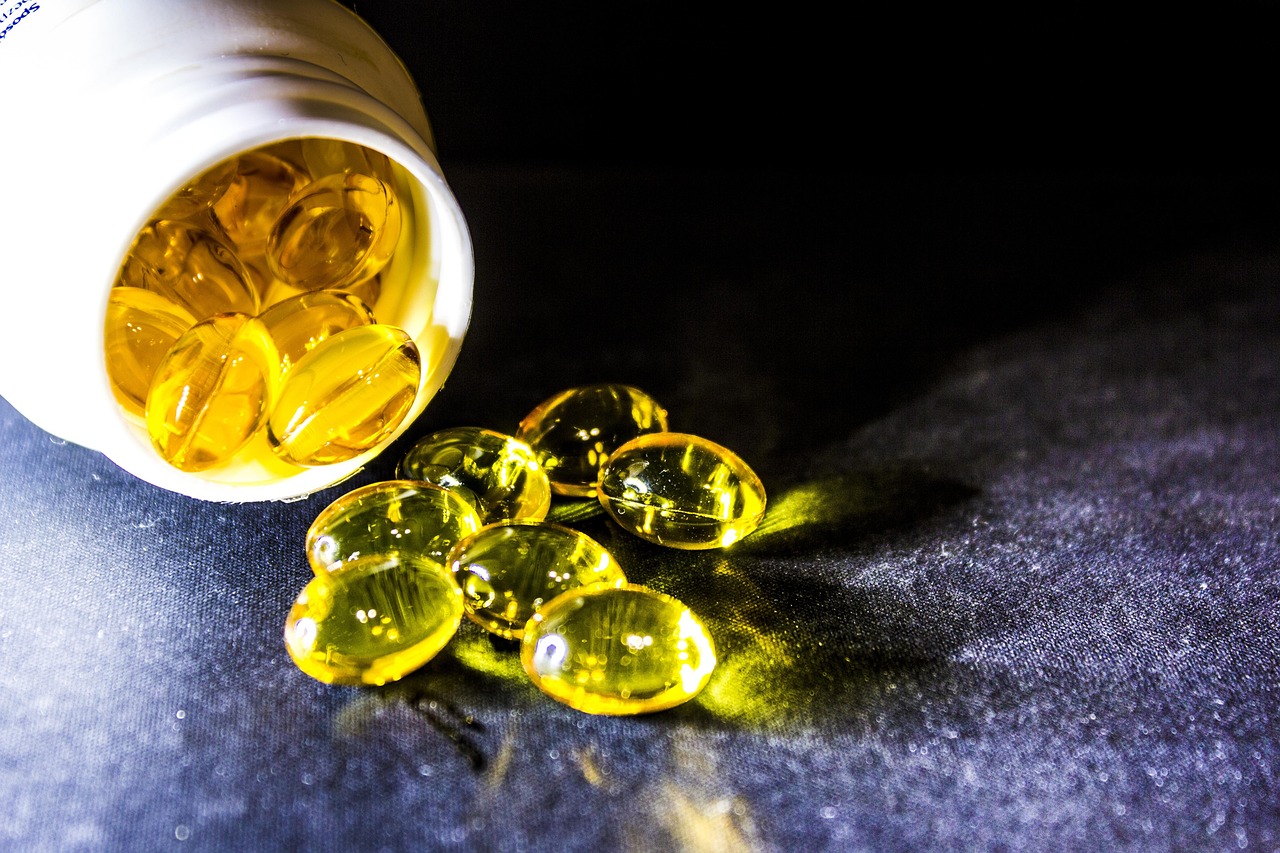
When considering Omega-3 supplementation for your senior cat, various credible sources can provide these beneficial fatty acids. Fish oil remains the most popular choice, primarily due to its high levels of both EPA and DHA. Salmon, sardines, and mackerel are excellent examples of fish rich in Omega-3. But it’s not only seafood that provides these essential nutrients. Certain plant oils, such as flaxseed oil, also contain Omega-3 but offer a different type called ALA, which must be converted by the body. This conversion is often inefficient in cats, which makes fish oil a preferred option. Look for high-quality fish oil supplements specifically designed for pets. These products are formulated to avoid toxins and ensure purity, making them safe for your furry friend. Another alternative is Omega-3 infused cat food. Many premium brands have started including Omega-3 in their formulas, making it easier for cat owners to provide these fatty acids in everyday meals. Always take care to follow feeding guidelines and consider consulting with a veterinarian before introducing any new supplements to ensure the right fit for your cat’s health.
Incorporating Omega-3 fatty acids into your senior cat’s diet can be a straightforward process that has a significant impact on their well-being. Start by gradually introducing fish oil supplements, ensuring the dosage is appropriate for their size and specific needs. Monitor your cat for any adverse reactions and maintain open communication with your veterinarian. Regular check-ups can help assess changes in your cat’s health. This monitoring is essential for determining whether the current supplementation is effective. Additionally, it’s beneficial to evaluate your cat’s overall diet and lifestyle. Consider incorporating other nutrient-dense foods that support their health, such as antioxidants and fiber. These additional nutrients can work synergistically with Omega-3s for a more significant positive impact. Aging cats often require more attention to their dietary needs, making it essential to provide balanced meals tailored to their life stage. For cat owners, the ultimate goal is to enhance the quality of life of their beloved pets. Gradual dietary adjustments, including Omega-3 supplementation, can lead to better mobility, improved skin health, and a more active lifestyle, resulting in happier cats well into their golden years.
Potential Risks of Omega-3 Deficiency
Not only do Omega-3 fatty acids offer numerous benefits for senior cats, but deficiencies can lead to severe health implications. A lack of these essential fatty acids can result in a plethora of health issues—many of which can significantly reduce the quality and duration of your cat’s life. For instance, joint pain and stiffness may worsen, leading to mobility issues that can result in weight gain due to less activity. In addition, the cat’s immune function may become compromised, heightening the risk of infections and diseases. Cats with Omega-3 deficiencies are more likely to develop skin issues, such as dryness, irritation, and excessive shedding, detracting from their overall quality of life. Behavioral changes may also arise, including signs of anxiety, lethargy, or increased irritability. It’s essential to acknowledge these risks when deciding on your cat’s diet, as proper nutrition significantly affects health. Ultimately, Omega-3 fatty acids play a vital role not only in enhancing life quality but also in preventing potentially debilitating health problems. Prioritizing your cat’s nutritional needs can pave the way towards a longer, healthier life.
When it comes to ensuring your senior cat receives adequate Omega-3 fatty acids, consistency and diligence are essential. Regularly check the ingredients of their food and consider supplements if their diet lacks sufficient Omega-3. Keeping track of your cat’s overall health and making adjustments based on their changing needs will also make a difference. Sometimes, senior cats can have particular dietary restrictions or digestive challenges; therefore, any new changes to their diet should be approached gradually. Additionally, observe how your cat responds to dietary changes. Look for improvements in mobility, coat health, and overall behavior. Engaging with your veterinarian throughout this process will ensure you’re making the right choices for your aging pet. Whether through dietary management or supplements, addressing Omega-3 deficiencies can enhance your cat’s health and well-being. A proactive approach to nutrition can yield positive outcomes, resulting in extended vitality and happiness for your aging furry friend. Following these steps will ensure that their golden years are filled with comfort, mobility, and joy, ultimately benefiting both you and your cherished companion.
In conclusion, the importance of Omega-3 fatty acids for senior cats cannot be overstated. These essential nutrients play a vital role in preventing various age-related health issues, including joint pain, heart disease, and cognitive decline. Adequate Omega-3 not only enhances physical health but also contributes to emotional well-being, ensuring that our beloved pets remain active and happy. Understanding food sources and considering high-quality supplements can be beneficial to meet your cat’s dietary requirements. Always remain vigilant about any signs of poor health, as they might indicate nutrient deficiencies. Improving your cat’s diet is a gradual process, but the rewards are well worth the effort. Prioritizing Omega-3s can lead to not only longer life expectancy but also a significantly improved quality of life. Engaging with your veterinarian and customizing a dietary plan that fits your cat’s needs will help you achieve the best results. Observing your pet thrive after incorporating Omega-3s into their diet will bring satisfaction and joy to both of you. Remember, a healthy cat is a happy cat, and investing in their nutrition is one of the best choices you can make.