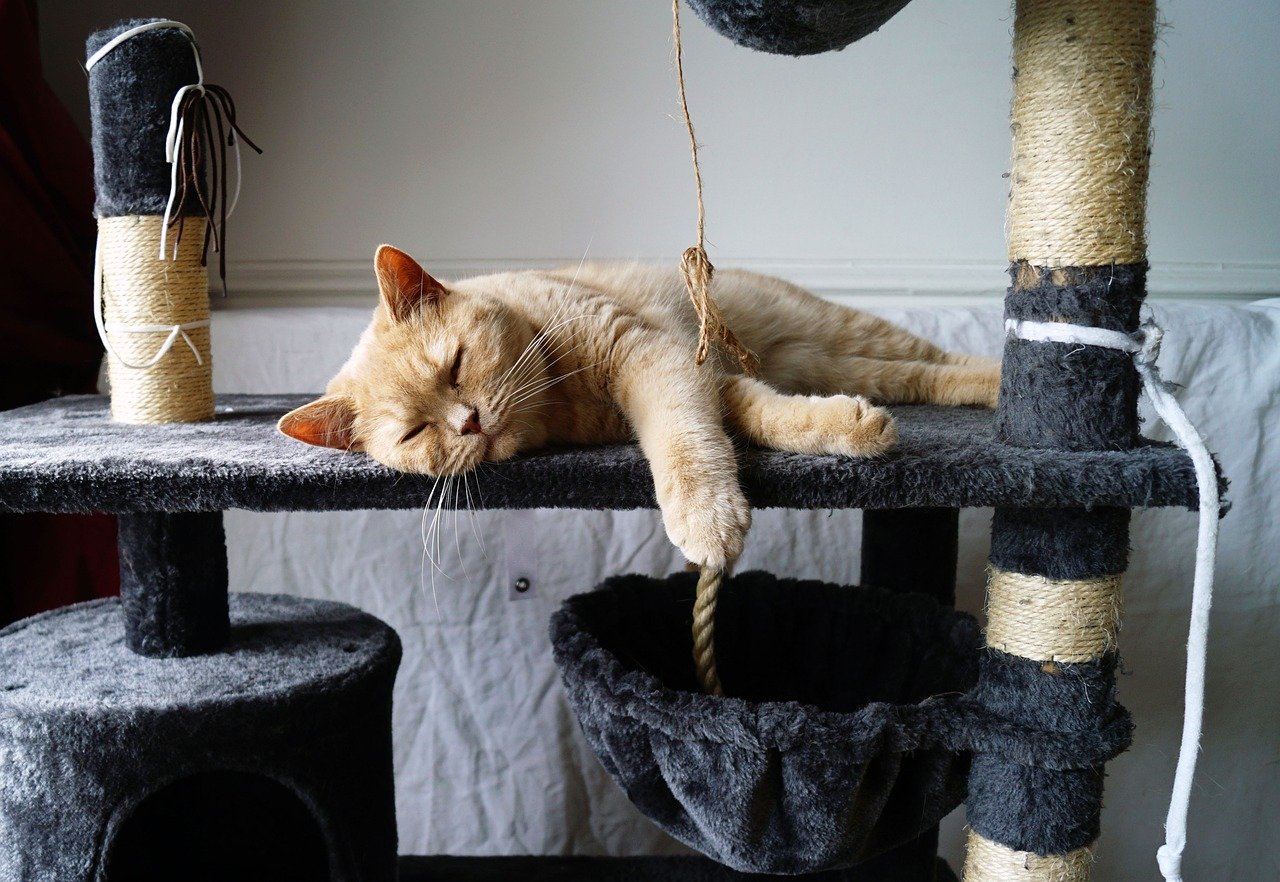

Training Your Cat to Use Scratching Posts Consistently
Understanding why your cat scratches is essential for addressing excessive clawing. Scratching is a natural behavior for cats. It’s a way for them to mark territory, exercise their claws, and even stretch their bodies. Providing an appropriate outlet helps reduce unwanted scratching on furniture or carpets. To encourage your cat to use a scratching post consistently, place it in a location where your pet frequently scratches. Choose a post made of materials that your feline prefers, such as sisal, cardboard, or carpet. Try different textures or designs until you find one that your cat enjoys. You can also encourage your cat’s interest by using catnip or enticing toys. Regularly play with your cat around the scratching post to create positive associations. Observe your cat’s habits and place multiple posts in their favorite areas. Make every effort to discourage them from scratching in undesired places instead. Consistency and repetition are key in training your feline friend. Throughout this process, patience will be necessary as every cat is different and responds to training uniquely over time.
Once you have identified your cat’s scratching preferences, you can effectively train them to use a scratching post. Positive reinforcement methods work best for encouraging this desirable behavior. When your cat uses the scratching post, reward it with praise or a treat, reinforcing its action. Conversely, if your cat scratches an inappropriate surface, redirect it promptly to the designated post. Gentle redirection, combined with rewards for using the correct surface, will gradually encourage your cat to associate the scratching post with good behavior. Additional deterrents can be employed to discourage unwanted scratching areas. Some owners use double-sided tape or products specifically designed to make surfaces unattractive to cats. Providing your feline friend with elevated spaces, like cat trees, can also satisfy their natural instincts to climb and scratch. Regular nail trimming is important, as it minimizes the chances of furniture damage while satisfying your cat’s grooming needs. Consider consulting your veterinarian if scratching becomes excessive and unmanageable. Consistent training combined with understanding your feline’s natural instincts can lead to a harmonious living space where both you and your furry companion are content.
Choosing the Right Scratching Post
Selecting the right scratching post is crucial to successful training. Consider the height, stability, and material of the post. Cats prefer posts they can stretch out against, so a tall post is ideal. Ensure it is stable enough to support your cat’s weight when in use; otherwise, they may not use it. Materials also play a significant role; some cats enjoy the feeling of sisal, while others may prefer cardboard. Observe your cat’s preferences and buy scratching posts that meet those needs. Avoid posts that are too flimsy or made from materials that can cause injury. Trimming your cat’s claws regularly reduces shredding, enhancing the longevity of the scratching post. Placing multiple posts around the house allows your cat access to suitable scratching surfaces wherever they roam. Test various designs to determine what attracts your feline friend best—some may prefer horizontal surfaces, while others lean toward vertical posts. Look for removable and washable covers or replaceable scratching surfaces to maintain the post’s appeal over time, ensuring that it remains a desirable outlet for their natural instincts.
Location is another critical factor when training your cat to use scratching posts. Avoid placing the post in secluded or infrequently visited areas. Instead, position it in a busy room where your feline roams and spends considerable time. If there are areas they frequently scratch, place the post nearby to encourage usage. After your cat explores the scratching post, it may take time to develop the habit of using it. Be patient and allow your cat to investigate at their own pace. Watch for signs of scratching, such as your cat stretching out or pawing the post. If they appear hesitant to use it, you can try rubbing catnip on the post to make it more enticing. Additionally, showing your cat how to use the post through demonstrations can spark their interest. Use toys to engage them near the post, gently moving them along the scratching surface to pique their curiosity. Always ensure ample motivation exists to redirect their natural instincts toward the designated area, fostering a seamless transition as they adapt to their new scratching post.
Creating a Scratching Zone
Establish a designated scratching zone in your home that promotes feline activity while protecting your furniture. Declutter spaces where scratching may occur and create an inviting environment. Ensure that the scratching posts, toys, and other feline-friendly items are nearby, encouraging interaction with these objects. Create a space that feels safe and secure for your cat; consider providing bedding, hiding spots, and elevated perches. Multiple scratching posts in this area can satisfy territorial needs while allowing for choice and variety. Additionally, incorporating interactive play into the scratching zone can stimulate your cat, making them more amenable to using the scratching posts. Setting aside specific times for play can strengthen the bond you have with your cat. Rotate toys periodically to maintain interest and curiosity. Encourage exploration by including different scratching types and sizes within your designated zones. Emphasize creating an engaging environment that meets your cat’s needs by allowing them to explore and engage. A well-prepared scratching zone can lead to a more harmonious household and reduced clawing on furniture and inappropriate surfaces.
Consistency in your training routine is essential for achieving success in encouraging proper scratching behavior. Establish a daily schedule that includes designated free play and interaction time with your cat. Make it a habit to reward your cat each time they use the scratching post, reinforcing the connection between the action and positive reinforcement. Remain unwavering in your expectations, redirecting any inappropriate scratching behavior immediately while reinforcing their proper actions without fail. If your training methods do not yield results, it may be necessary to reassess your strategy. Analyze whether the scratching post meets your pet’s needs or if its location is optimal. Sometimes, switching the post’s location can renew your cat’s interest. Seek professional advice if the problematic behavior persists; a consultant can provide tailored strategies for your specific situation. Exploring different training approaches is not only beneficial but also necessary to adapt to your cat’s unique personality and habits. Remember that each cat learns at its own pace, so demonstrating patience and understanding throughout this process is vital for a successful outcome.
Conclusion on Fixing Scratching Issues
Addressing excessive clawing behavior in your cat requires time, patience, and a good understanding of feline instincts. Training them to use scratching posts consistently can lead to a more harmonious environment. Prioritize establishing positive associations with their scratching posts through incentives such as treats, praise, and play. By selecting the right types of posts and creating engaging spaces, you can make the process enjoyable for both you and your kitty. Always remember that each cat is unique and may respond differently to training methods; flexibility in your approach will be key. Regular maintenance of scratching posts will also ensure their continued interest. If your cat resists using the post, explore different locations or try alternative posts made of various materials. Working diligently to redirect their scratching behavior will yield positive results over time, reducing unwanted damage to furniture. With dedication and understanding, you can achieve success in training your feline friend to adopt scratching posts as their preferred outlet. A well-behaved cat is happier, and having furniture that remains unscathed contributes to a more pleasant living environment for everyone!
In summary, training your cat to consistently use scratching posts offers numerous benefits, both for your pet and your home. Tackling excessive clawing is an ongoing process that requires a multifaceted approach. Adjusting your training methods as needed can ensure you find the best strategies that align with your cat’s needs and instincts. By providing them with necessary alternatives and positive reinforcement, you can foster a behavioral change that results in happiness for both you and your feline companion. Observing your cat during the training process can yield insight into their preferences and triggers, which can further enhance your training strategy. A committed effort toward training cats can significantly reduce furniture damage while promoting healthy scratching behaviors. You’ll not only strengthen your relationship with your pet but also foster an environment where they feel safe and encouraged to express their natural instincts. Ultimately, focusing on their scratching patterns, combined with patience and supportive adjustments, will pave the way for a cat that is well-adjusted and content in their surroundings.