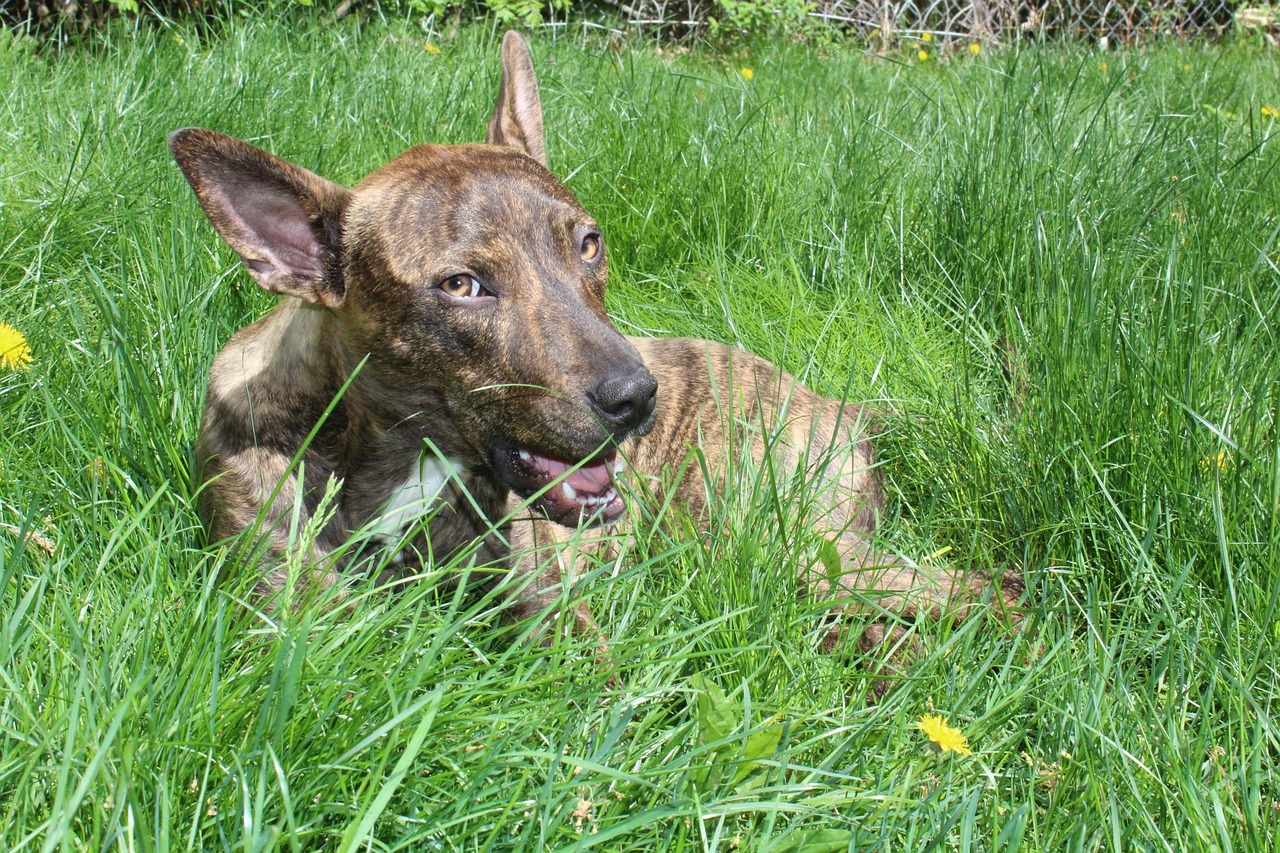

Transforming Trauma into Trust: Dog Rescue Behavioral Stories
In the world of dog rescue, countless stories illustrate the remarkable transformations that occur when love and patience meet patience. These narratives often start in dire situations, where dogs have experienced neglect, abuse, or abandonment. Every rescued dog carries a unique history that shapes their behavior and emotional well-being. The journey from trauma to trust can be slow, requiring dedicated volunteers and foster families who offer them the stability they desperately need. For instance, many dogs initially respond with fear or aggression, making the rehabilitation process challenging yet rewarding. Effective training techniques are essential in helping these dogs regain their confidence as they learn to trust humans again. Such techniques often include positive reinforcement, which allows dogs to associate humans with food and praise rather than fear or pain. It is through these small victories that their transformations become evident. Rescue organizations invest time in understanding each dog’s specific needs, which can vary significantly from one animal to another. Through consistent caring interactions, love, and tailored training, dogs can blossom into loving companions, ready to find their forever homes.
One of the most inspiring aspects of dog rescue stories is witnessing dogs like Bella, a once-timid pit bull, who found solace through patient foster care. When Bella was rescued, she cowered in corners, terrified of human contact. Her journey demonstrates how a calm and nurturing environment can foster trust. It took weeks of gentle coaxing and trust-building exercises before she took her first step towards her foster parent. With every small success, Bella grew more confident, bravely exploring her surroundings instead of hiding. The emotional bond that formed between her and her caretaker was a beautiful testament to the healing power of love. Other dogs like Max, a formerly aggressive German shepherd, have similar stories. Initially, Max was unapproachable and untrusting, a response to his traumatic past. However, through consistent training and love, Max learned to overcome his fears. Rescues often highlight the importance of understanding a dog’s background and triggers. Gradually, with perseverance and the right techniques, dogs like Bella and Max transition from fearful to fearless, shedding the scars of their pasts as they become loyal companions for life.
The Power of Patience in Dog Rehabilitation
Patience is the cornerstone of transforming scared, abused dogs into confident, loving pets. Each dog exhibits different signs of fear or anxiety which can manifest in various ways. Sometimes, it may involve not engaging with others, while at other times it could lead to aggressive behavior towards them. Rescues often emphasize the importance of fostering an environment where dogs feel safe, using non-threatening body language. This technique allows dogs to approach at their own pace, enabling them to make choices during interactions. Programs that utilize volunteer muzzling also prove helpful, often preventing accidents while rehabilitating aggressive canines. The goal is to teach these dogs that humans are not threats but potential friends. Remarkably, dogs exhibit incredible abilities to learn and associate new memories with present experiences. Rehabilitation centers often include socialization activities with other dogs, enabling rescued pets to learn from their peers. With time, encouragement, and professional help, many regain trust in people and develop healthy social skills, paving the way for brighter futures with loving families and a life full of hope.
Another compelling example is that of Rusty, a hound mix once found roaming the streets after being abandoned. Rusty’s behavior reflected the deep-seated fear and distrust of his surroundings. Thankfully, his transformation was underpinned by a remarkable foster family who dedicated themselves to understanding his needs. Early on, Rusty displayed signs like excessive digging, avoidance behaviors, and barking excessively at strangers. With a steady routine, regular exercise, and, crucially, humane training, his demeanor gradually changed. Training sessions were combined with fun activities, providing Rusty with challenges that stimulated his mind and built confidence. What started as uncertainties evolved into moments of joy as Rusty learned this new way of life. He soon began to respond to commands and display affectionate behavior towards his foster parents. This progress was not just monumental for Rusty; it also illustrated the significant impact of a dedicated support system. His proactive training, combined with the emotional support he received, made a substantial difference. Eventually, Rusty became a family dog in his forever home, thriving and loved, proving his story was just the beginning of a hopeful future.
Community Involvement in Rescues
Transforming the lives of rescued dogs often relies heavily on community involvement, showcasing the power of people coming together for a common goal. Numerous dog rescue organizations thrive on volunteer efforts, donations, and community fundraising activities. These events not only create awareness about the plight of abandoned and abused dogs but also mobilize resources necessary for rehabilitation. Volunteers play an integral role, assisting with training, socializing, and daily care, making a significant difference in each dog’s journey. Furthermore, sharing success stories through social media platforms encourages others to join the cause. Many participate in fostering dogs or providing transportation to veterinary appointments, illustrating how compassionate individuals can collectively enact change. Local businesses often contribute donations, provide venues for adoption events, or host charity drives, showcasing the community’s commitment to animal welfare. The more people understand the unique challenges that rescue dogs face, the more likely they will feel motivated to provide help. Over time, these collaborative efforts lead to increased awareness, education, and willingness to adopt dogs in need, ultimately transforming more troubled dogs into beloved family members.
The heartwarming stories of dogs transformed through rescue demonstrate resilience that transcends trauma. Hope is a crucial element in these narratives, as it fuels both the dogs and their human counterparts. Dogs like Charlie, a once-frightened border collie, serve as motivating case studies. After being rescued, he struggled with strangers, with visible signs of anxiety and fear. However, thanks to consistent love and training, Charlie learned to embrace life outside his previous confines. Foster families played a significant role in providing that essential love, compassion, and safety that many dogs have never known. They spent time building trust through play and exercise, subsequently allowing Charlie to acclimate to new experiences. Even simple walks became joyous outings rather than frightening events. As he grew accustomed to the world around him, the once-timid Charlie blossomed into an exuberant dog who loved to greet everyone he met. These journeys prove that understanding each dog’s unique needs is essential for creating lasting trust. Through unwavering encouragement, foster care provides the foundation upon which healing and transformation can occur, bringing hope to countless dogs.
The Aftermath: Forever Homes
Ultimately, every rescue story concludes with the dream of placing these rehabilitated dogs in loving, forever homes. The process of finding suitable adopters goes beyond mere placement; it is vital for the dogs’ continued well-being and happiness. Adoption events often include personal touch points where potential owners can interact with dogs, further fostering the connection between them. Successful adoptions hinge on understanding how to match a dog’s personality with an owner’s lifestyle. Careful screening and home checks become essential aspects of making those connections work. Post-adoption support is also crucial, reinforcing the bond between the dog and its new family by providing guidance and resources. Many rescues offer training workshops and advice to help both adopters and dogs build a lasting relationship. In the end, the successful adoption of dogs like Charlie and Bella goes beyond a simple home. It is a newfound way of life, one filled with love, respect, and companionship. Such transformative journeys showcase the incredible resilience of dogs and the unwavering commitment of those who strive to make a difference, creating a brighter future for all rescued dogs.
As we celebrate the resilience of rescue dogs and their journeys from trauma to trust, it is essential to advocate for continued support. Every dog deserves a chance at a happy life, free from fear and suffering. By utilizing successful training techniques and fostering strong, compassionate relationships, we uplift not only the dogs but the communities around them. Responsible adoption practices emphasize the importance of educating potential pet owners about their responsibilities. Additionally, community involvement allows for a richer support system, facilitating outreach to spread awareness about adoption and responsible pet ownership. The magnificent transformations we witness in rescued dogs serve as constant reminders of how love can heal. These stories are critical for fostering empathy, encouraging generosity, and inspiring meaningful change in the lives of countless dogs. Additionally, showcasing these transformations can attract potential adopters, motivating them to consider adopting a dog in need. By sharing stories that highlight the positive outcomes of rescue efforts, we can inspire compassionate action and encourage more individuals to participate. Ultimately, the continuing journey for rescue dogs represents hope—hope for a life filled with love, trust, and happiness with new families who cherish them.