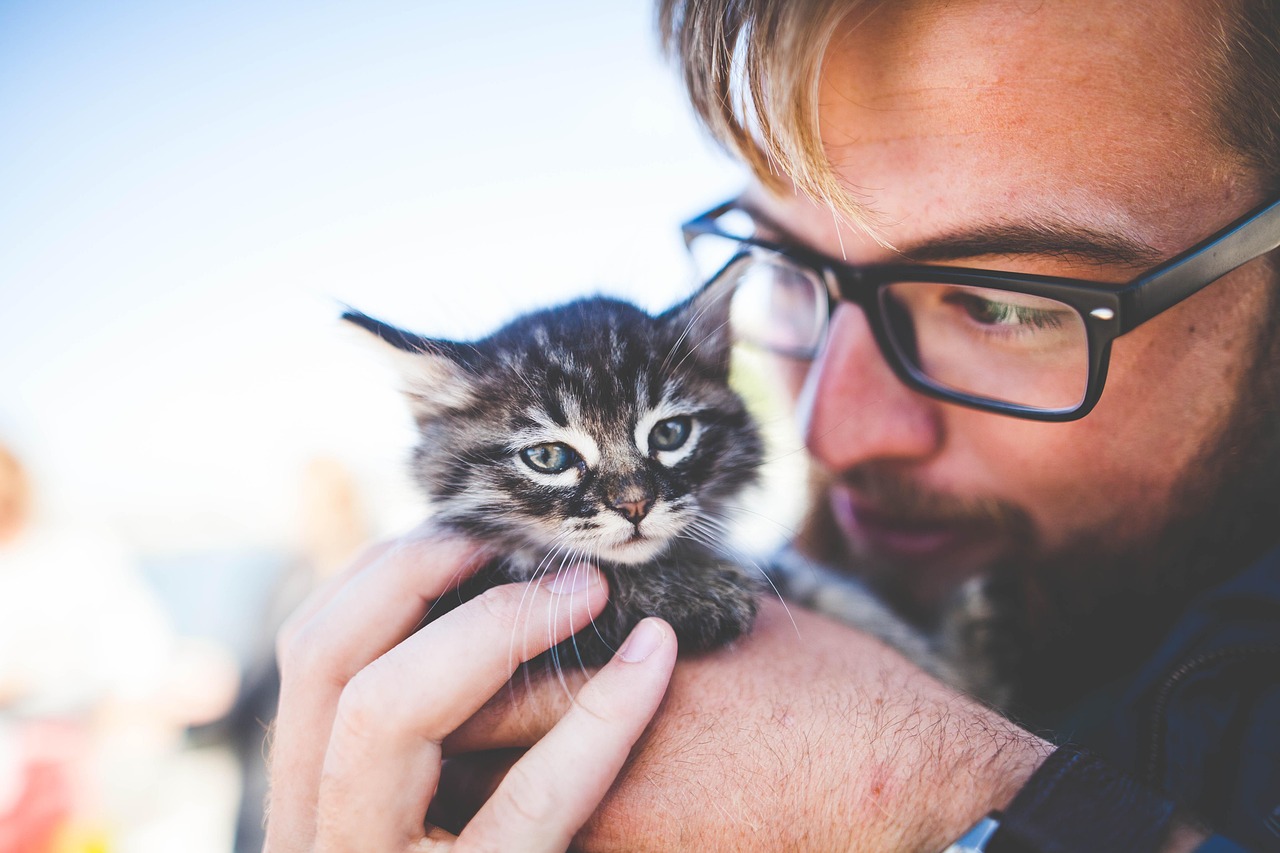

Unraveling Myths About Kitten Socialization and Behavior
When it comes to kitten socialization, many myths perpetuate misinformation. One popular misconception is that kittens must be isolated from other pets. In reality, early socialization plays a crucial role in a kitten’s development. Introducing your kitten to various people and pets can build confidence and adaptability. Start with short, positive interactions, ensuring that these experiences are stress-free. Always supervise these introductions carefully to ensure safety and comfort for all involved. Make sure to monitor your kitten’s body language throughout the process. Kittens typically respond well to gentle and calm approaches, allowing them to feel secure. Also, consider setting a designated safe space for your kitten, filled with toys, scratching posts, and a cozy bed. This environment encourages exploration and discovery while also providing a retreat when they feel overwhelmed. Furthermore, encouraging playtime with interactive toys can stimulate their natural instincts. Engaging your kitten in play promotes their physical and mental health, fostering stronger bonds between you and your new feline friend. Understanding the importance of healthy socialization can combat harmful myths that threaten a kitten’s emotional well-being.
Another common myth is that all cats are inherently aloof or anti-social. While certain breeds tend to exhibit more independent traits, many kittens are just as affectionate and loving as any dog. The truth is that a kitten’s individual personality can be influenced greatly by their socialization experiences during the critical first few months of life. If they are raised with positive encounters, they are more likely to develop friendly and social behaviors. Cat socialization involves engaging with them from an early age, providing them opportunities to interact with people, and encouraging healthy relationships that can last a lifetime. Gradually introducing your kitten to new situations, people, and environments can significantly increase their social adaptability. Remember that some kittens may take longer to warm up compared to others, so patience is key. Providing rewards during these interactions, like treats or toys, can create positive associations. This approach reinforces the idea that socialization is enjoyable, fostering trust and reducing any fear they might have towards new experiences and people. Therefore, investing time in proper socialization can yield affectionate and well-adjusted adult cats.
Myths about Kitten Behavior
One pervasive myth surrounding kitten behavior is the belief that they will “grow out of” undesirable behaviors, which is far from the truth. Kittens often exhibit a range of behaviors, including scratching and biting, which can become problematic if not addressed early on. Rather than waiting, it’s essential to redirect these behaviors constructively. Providing appropriate outlets for their natural instincts, such as scratching posts and plenty of toys, helps ensure they channel their energy positively. Teaching them alternatives, like engaging in play or using specific objects, prevents confusion over what is acceptable behavior. Creating a structured environment can significantly impact how your kitten learns to interact with their surroundings. Reinforcing positive behavior through consistent training can foster good habits that last into adulthood. Additionally, understanding that play is vital for their development aids in managing expectations. Kittens require ample mental and physical stimulation to remain well-balanced. Frequent engagement through interactive play, puzzle feeders, and toys encourages exploration while reducing frustration. In turn, practicing patience and properly addressing these behaviors from a young age can lead to a happier life with your feline companion.
Another considerable misconception is that kittens do not need training or discipline. Many believe that cats cannot learn commands or tricks like dogs; however, this could not be farther from the truth. Kittens are incredibly intelligent creatures capable of learning various behaviors through positive reinforcement. They respond well to treats or praise when they follow commands or exhibit desirable habits. Setting up a basic training routine can greatly improve your relationship with your kitten while establishing boundaries that foster mutual respect. Don’t expect immediate results; like with any learning process, it takes time and consistency. Begin with simple commands, such as ‘sit’ or ‘come’, using clear verbal cues. Gradually introduce more complex commands as your kitten becomes familiar with the training process. Incorporating their favorite toys or treats during sessions can increase motivation and fun in training. Moreover, it’s essential to maintain a calm and positive demeanor throughout; a stressed or frustrated kitten is unlikely to learn effectively. By committing to training, you can develop a strong bond with your kitten while helping them grow into a well-behaved adult cat.
The Importance of Understanding Feline Body Language
Understanding kitten body language is crucial to their socialization and behavior. One popular myth suggests that all kittens will purr when they are happy. However, purring can be a complex signal, indicating both contentment and distress. Watching your kitten’s body language, such as ear positioning, tail movements, and overall posture, enhances your comprehension of their emotional state. For instance, a relaxed body with a straight tail indicates a comfortable kitten, while flattened ears or a twitching tail may signal discomfort. Being in tune with these signals is important to address their needs and alleviate potential stressors or fears. Providing a safe environment allows kittens to explore and express their emotions freely. Additionally, it’s essential to note that seeking affection varies from kitten to kitten. Some may welcome cuddles while others prefer to play at a distance. Respecting their preferences fosters trust, leading to a more fulfilling bond. The better you understand your kitten’s behavior and moods, the more effectively you can meet their needs and enhance their quality of life. Becoming attuned to these subtleties strengthens your connection, fostering a loving and supportive atmosphere.
A common myth is also that kittens can thrive in isolation. People often believe that as long as they have food and shelter, a kitten will be fine alone. However, social interaction is vital for a kitten’s mental and emotional well-being. Kittens are naturally social creatures, and a lack of stimulation can lead to boredom and behavioral issues later in life. This means that a sole kitten should engage in playtime with humans daily, as well as have opportunities for interaction with other pets if possible. One way to encourage social development is through mutual play with other kittens or friendly adult cats. Organizing playdates at a suitable pace can effectively aid in skill building and social skills. Furthermore, mental stimulation offers another method to enhance their overall happiness. Consider providing puzzle toys or opportunities to explore different environments, such as using safe spaces in the home. Regular interaction and active engagement help prevent potential behavioral issues down the line. Overall, fostering a stimulating and social environment maximizes a kitten’s overall development and well-being, leading to a more joyful experience together.
Conclusion on Kitten Myths
In conclusion, debunking kittens’ common myths about socialization and behavior can significantly improve the quality of life for both you and your furry friend. From understanding their needs for social interaction to recognizing the importance of training and proper engagement, dispelling these myths helps foster healthier relationships. Kittens are intelligent beings that require guidance, compassion, and support to develop into well-adjusted adult cats. Always remember that each kitten is unique, possessing its personality and preferences that must be respected. Look for signs that your kitten is comfortable or stressed, and adapt your approach to suit their needs. With patience and consistency, you can positively shape their behavior and reinforce healthy habits. As you navigate the challenges and joys of kitten ownership, provide the necessary opportunities for socializing while maintaining structure and boundaries. The effort you put into understanding and caring for your kitten will reflect in their overall temperament and happiness. Building strong bonds through effective communication leads to a more enjoyable companionship. Thus, embracing these insights enriches both your lives and helps in providing a loving home.
The final prevalent myth is that kittens can be fully understood without proper education or awareness. A huge part of kitten care involves understanding their mental and emotional needs. This includes being aware when they are upset or anxious. Taking time to observe their behaviors, alongside educating yourself about feline behavior, can help prevent misunderstandings and miscommunications. Books, articles, and even videos from cat behavior experts can provide invaluable insights into kitten behavior. By investing time in education, you can better address your kitten’s needs when it comes to play, social interaction, or even potential health concerns. As you develop a relationship with your kitten, tailored approaches can significantly improve their overall well-being. Engaging in active learning ensures that you are equipped to cultivate healthy habits while addressing any behavior deemed undesirable. Share this knowledge with others who may also be caring for kittens, as it can potentially benefit many lives. Remember, responsible kitten ownership goes beyond basic needs; it involves fostering a nurturing environment that respects a kitten’s individuality and preferences. The more you learn and practice with your kitten, the more fulfilling and enriching your journey together can be.