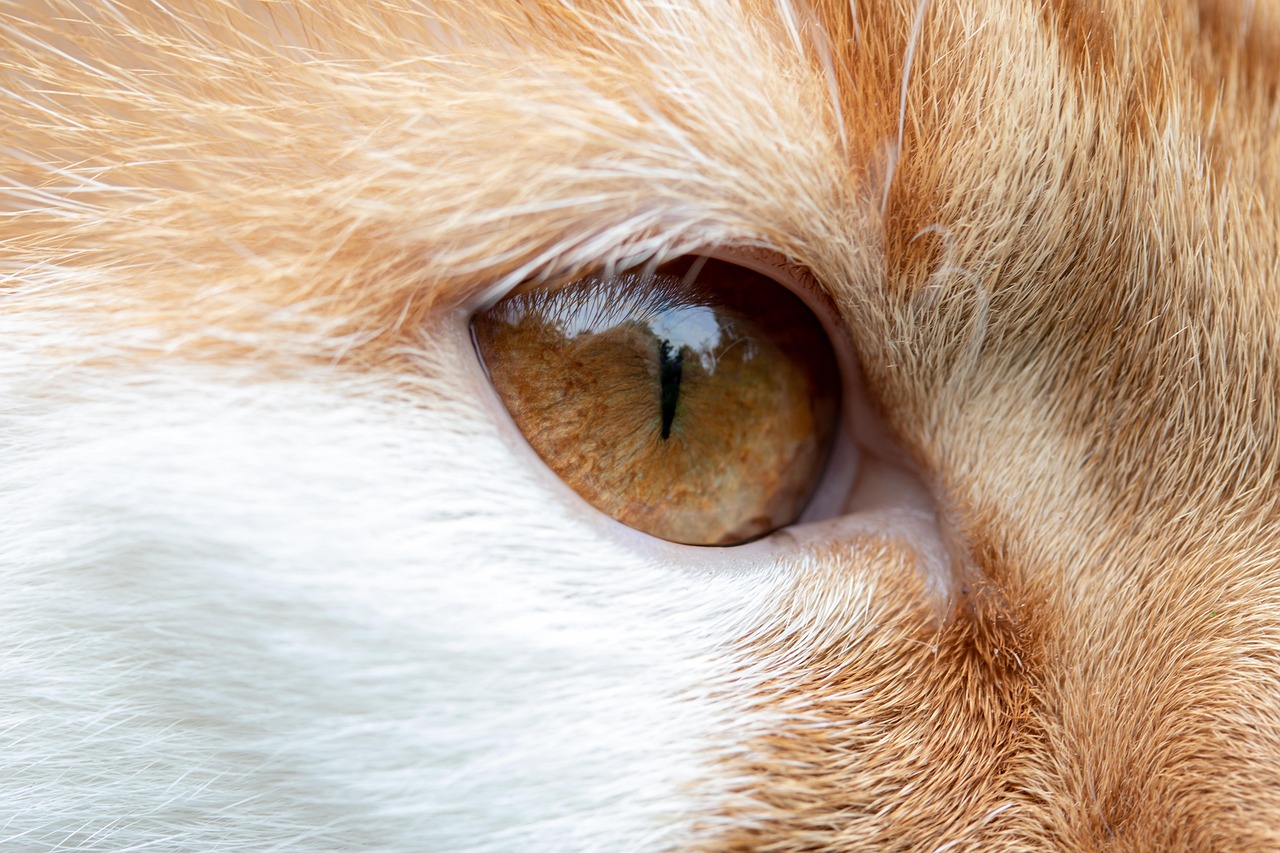

Choosing the Right Camera Settings to Capture Cat Fur Details
When photographing cat fur, achieving detailed captures can elevate your images significantly. Selecting the appropriate camera settings is crucial for highlighting the textures of your feline’s coat. Start by adjusting your shutter speed to freeze motion; you can avoid motion blur from excited cats. A faster shutter of at least 1/500 sec can be effective for active kittens. Next, consider the aperture settings to control depth of field. A lower f-stop value, like f/2.8, allows more light into the camera and beautifully blurs backgrounds while keeping the fur in sharp focus. Additionally, balance light sensitivity by adjusting the ISO according to the lighting conditions in your home. A lower ISO works best in daylight, whereas a higher ISO can assist in dim settings but may introduce graininess. Remember, each cat responds differently to environments, so test your setup to find what works best for that specific cat. Lastly, review your settings by taking test shots to see if adjustments are needed, ensuring you capture the best possible fur textures in every photo.
Lighting plays a pivotal role in revealing the intricate details of cat fur textures. Natural light is often the best option for pet photography. Aim to shoot during the golden hours, early morning or late afternoon, when the light is softer and warmer. Positioning your cat near a window where ample light washes over them can beautifully accentuate their fur patterns and colors. If shooting indoors, avoid harsh overhead lights as they can create unflattering shadows. Instead, use reflectors or bounce cards to help diffuse light and fill in shadows on your cat’s face. If you’re outside, try to set up your shots with the light facing your back to prevent any glares. If you must shoot in adverse conditions or indoors during cloudy days, consider using an external flash. Be wary, however, as cats may react unpredictably to sudden bright lights. Experimenting with lighting techniques will empower you to capture stunning and rich textures in your cat’s fur, creating striking images that resonate with character and warmth.
Understanding Focus Modes
Moreover, understanding your camera’s focus modes can make a significant difference when photographing your feline friend. Most cameras support various focus modes, including single, continuous, and automatic. Single or single-shot autofocus can be advantageous for static poses, allowing the camera to hone in on your cat’s fur with precision. Conversely, continuous autofocus can be incredibly useful for capturing lively cats that are in motion and may change positions rapidly. This setting anticipates movement, providing a higher chance of staying focused on your cat amidst their playful antics. In situations where the fur may blend with other elements in the background, using manual focus can allow you even greater control and precision. This is especially relevant when aiming to capture special details like the vibrant colors or specific patterns on your feline’s coat. Make sure to practice switching among these settings to see which ones best suit you and your cat for achieving your desired fur textures. Finding the right focus mode ensures every frame is a memorable moment showcasing your cat beautifully.
In addition to the previously discussed settings, you should familiarize yourself with your camera’s metering modes to achieve the correct exposure. Cameras typically have several metering modes, such as spot, center-weighted, and evaluative (or matrix) metering. These modes determine how your camera reads light, which can greatly affect the portrayal of cat fur. Evaluative metering considers the entire scene, making it a good starting point for general shooting. However, if your cat’s fur tends to blend with its background or is very bright, switching to spot metering allows you to focus on the cat’s fur alone, ensuring it receives optimal exposure. This adjustment keeps the details rich and vibrant without blowing out highlights. Keep an eye on contrast—cats with light fur photographed in bright sunlight can wash out details easily. Using histogram checks on your camera ensures you are capturing a well-balanced image, revealing every strand of fur. Consistently monitoring exposure levels will elevate your photography, making even the simplest shots look professional and engaging.
Experimenting with Lenses
Furthermore, the choice of lens can dramatically affect the quality of fur detail captured in your photographs. For instance, a macro lens is an excellent option for getting up close to your cat and focusing specifically on the intricate textures of their fur. These lenses allow for sharp details and beautiful softness around the subject. You can capture the minute details in the fur, enhancing the overall texture and making the image captivating. Do not shy away from using zoom lenses as well, which afford versatility in framing your shots without needing to disturb the cat. A 50mm or 85mm lens provides great results for portraits, consistently producing crisp detail, particularly in natural light conditions. Experimenting with a few different lenses will help you determine which ones render the details you appreciate most in your shots. However, keep in mind to use a lens with a wide aperture to enhance the depth of field, giving those stunning blurred backgrounds that highlight your cat’s fur charm. Vary your lenses according to the type of shot you wish to achieve!
Lastly, engagement with your cat while taking pictures significantly boosts the quality of your photographs, especially regarding capturing dynamic fur textures. Cats are often more responsive during playtime; therefore, use toys or treats to entice them into playful poses and moments, revealing vibrant fur textures. Create a comfortable atmosphere where they feel safe to move around naturally. Rapidly pressing the shutter as they jump or play can yield spectacular captures showcasing texture, movement, and personality. Clicking away during these lively moments often results in unexpected highlights of fur, like the sunlight glinting off their coat or a quick motion blur enhancing a still image. Additionally, patience is key—allow your feline time to adjust to the camera or to approach you, as stress can lead to unfavorable shots. After all, the best pictures stem from a genuine connection between the photographer and subject. Thus, understanding your cat’s behavior while photographing them will lead to an abundance of beautiful, high-quality images showcasing their luscious fur designs.
Post-Processing Techniques
Post-processing is an invaluable part of enhancing cat fur photography, enabling you to magnify details further. Software like Adobe Lightroom or Photoshop offers tools for adjusting contrast, brightness, and saturation, bringing out previously unnoticed fur colors in your images. Begin by correcting colors; enhancing sharpness helps bring out the fuzziness of their fur, showcasing its intricate textures. Applying subtle sharpening can significantly boost clarity around the edges of the fur without over-processing. This fine-tuning preserves the natural quality of the fur while adding vitality to your shots. You can also use the noise reduction feature to smooth out any graininess introduced by higher ISO settings during photography. Finally, cropping compositions can dramatically enhance focus on the cat’s fur details, allowing you to remove any distracting backgrounds. Exploring various editing options will elevate your cat photography, delivering striking images of their intricate fur textures. Each post-processing choice should aim to celebrate your pet’s distinct characteristics while ensuring the final product resonates with the visual story you want to tell.
In conclusion, achieving the ideal camera settings when photographing cat fur textures requires a blend of techniques. Understanding the interplay between shutter speed, aperture, and ISO settings will allow you to optimize your images. Throughout the photography process, support your lighting choices with different metering modes, focus settings, and equipment that best suit your needs. Whether using animal-friendly environments, playful engagement, or various lenses, these details will improve your composition. Moreover, enhance your photographs further using post-processing techniques to refine your images for maximum impact. Ultimately, striking images showcasing your cat’s fur lie in patience and practice. Each photograph taken hones your skills and discerns subtleties in texture and color. Embrace this journey alongside your feline companion, as the partnership will reveal the joy and wonder of cat photography. With time, you’ll develop a unique style and ability to capture these delightful creatures in all their furry glory. Remember, every cat is unique, so enjoy the creative process and adapt as necessary to secure those extraordinary shots that reflect your kitty’s charm and personality.