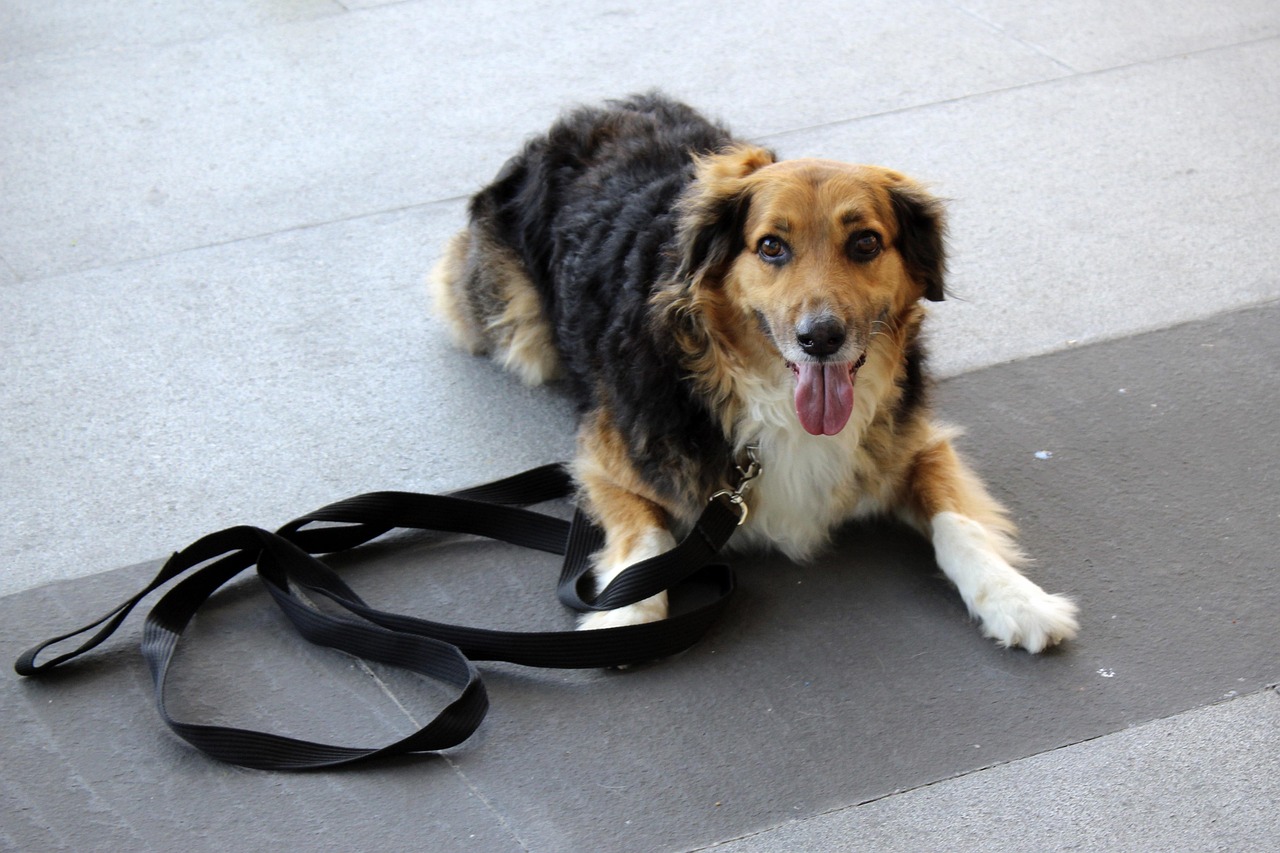

Creating a Consistent Positive Reinforcement Routine for Your Dog
Establishing a positive reinforcement routine for your dog is essential for effective training. Dogs thrive when they receive timely rewards for their good behavior. Positive reinforcement not only fosters a strong bond between you and your furry friend but also encourages them to repeat desired actions. Here are some steps to create an effective routine: start with clear commands that your dog can understand. Consistency is key; using the same word or phrase helps your dog learn faster. Next, choose the right rewards. Treats, toys, or praise work wonders and motivate your dog to perform the desired behavior. Timing is crucial when rewarding your dog. Instant gratification for good behavior reinforces the action and makes it more likely to happen again. Finally, remember that patience is critical. Every dog learns at their own pace, and a little encouragement can go a long way. Celebrate small successes and develop a nurturing routine that makes learning fun. By following these principles, you can create a structured and positive environment that supports your dog’s training journey.
A structured environment encourages effective learning and reinforces a dog’s behavior positively. Make sure your training sessions are short and engaging to maintain your dog’s attention. It’s advisable to train when your dog is more alert, such as after a walk. Incorporate variety into your routine to keep your pet interested, using different locations and commands. This variation prevents monotony, further stimulated learning. Additionally, consider using a clicker as a training tool; the sound provides immediate feedback that a behavior was correct, pairing it with rewards strengthens the learning process effectively. Consistency in where training takes place is also essential; familiar environments often yield better results. Build around your dog’s daily schedule—establishing specific times for training can help reinforce the ritual. The best practices enhance your dog’s eagerness to learn and helps build anticipation and excitement. In time, your dog will come to associate training sessions as rewarding experiences, overflowing with treats and praise. Ultimately, the key lies in how well you apply these principles consistently to foster great communication and connection between you and your beloved pet.
Creating a solid routine involves regular training sessions combined with positive reinforcement strategies. Experiment with various rewards until you discover your dog’s favorites. Use high-value treats during challenging training moments to increase motivation. When engaging in training, be sure to minimize distractions, ensuring an optimal learning environment. Consider factors like location, other animals, and noise levels to provide your dog the best chance to succeed. Reinforcement strategies should occur immediately when your dog exhibits the desired behavior for maximum effectiveness. Keeping the session light-hearted encourages better reception of commands. Also, be sure to adjust your expectations according to your dog’s learning pace. Every dog is unique and has different strengths; celebrate their individual progress and milestones. As you build your routine, gradually introduce more complex commands, ensuring success at each step. The gradual scaling will boost your dog’s confidence, enabling them to tackle more challenging tasks successfully. Additionally, integrate training into everyday activities, creating enriching opportunities in your dog’s life. These simple yet profound steps reinforce bonds, ensuring your dog understands the positives behind learning new skills.
Understanding Your Dog’s Needs
Your dog’s emotional and physical needs must be recognized for successful training routines. Encouragement through positive reinforcement extends beyond just treats or praises; it nurtures your dog’s overall well-being. Understanding your dog’s body language and behavior is essential; dogs communicate feelings through actions and expressions. Learning when your dog may feel overwhelmed helps adjust training efforts accordingly. Observe their tail position, ears, and stress levels; these cues offer insights into their emotional state. Another significant factor is your dog’s energy level; active breeds often require ample exercise before engaging in training sessions. This exercise helps channel excess energy positively, allowing better focus during training. Incorporate activities such as walking or playing fetch before starting your routine. Furthermore, consider setting achievable goals based on your dog’s age and breed, ensuring sessions are tailored to their capabilities. Short, rewarding sessions are preferable to lengthier, tiring ones. This ensures your dog remains engaged, fostering a love for training. A happy dog is a trainable dog, creating a nurturing training environment that meets all their needs.
Training doesn’t need to be a rigid process; ensuring fun and play is essential in your routine. Incorporating elements of play encourages positive reinforcement effectively. Break up sessions with games, allowing your dog to associate training with enjoyment rather than a chore. Consider interactive toys that can serve as rewards or challenges during learning moments. You can also integrate socialization into training, letting your dog interact with other pets and people under supervision. Social interactions build confidence while enhancing your dog’s overall experience. Building a support network of fellow dog owners fosters communal learning and provides helpful insights into positive reinforcement techniques. You can exchange techniques that work best for your pets, creating a more effective training community. Make sure to avoid negative experiences during training; frustrating moments can quickly turn your dog off from learning. Redirect negative behavior with positive alternatives to promote a more effective environment. Emphasize that mistakes are part of learning, remaining patient and encouraging. Ultimately, a positive approach builds trust and strengthens the relationship you share with your dog.
Monitoring Progress and Adjusting Techniques
Following your dog’s progress is crucial to ensure effective training routines. Observe their responses during sessions to identify what works best for them continually. Recording successes and challenges helps you pinpoint areas requiring modification. Regular feedback also provides insights into your dog’s emotional condition throughout the training process. Celebrate milestones, however small they may seem, and offer reinforcement that strengthens their desire to delve deeper into training goals. Adjust rewards as your dog masters commands; gradually fading treats can help prevent dependency while introducing verbal praises or affection as alternatives. Consistently monitoring allows a deeper understanding of your dog’s strengths and encourages a positive atmosphere conducive to learning. As you grow together, don’t hesitate to reassess your techniques and incorporate innovative methodologies that make learning enjoyable. For example, use training as bonding time, integrating routine play into sessions which strengthens relationship. Through consistent evaluation of progress, fostering collaboration, and empathy, you engage in a symbiotic learning process that drives motivation, trust, and eagerness from your dog, leading to a fulfilling and happy relationship.
In conclusion, establishing a consistent positive reinforcement routine for your dog enhances both training effectiveness and your cherished bond. Understand your dog’s unique needs, monitor their progress, and adjust methods accordingly for optimal outcomes. By integrating varied strategies and considering the emotional context of training, each interaction becomes a significant step toward mutual enrichment. Focus on fostering emotional well-being and happiness alongside comprehensive training. Ensure your dog enjoys every session, and celebrate all achievements—a happy dog learns with enthusiasm. Use positive reinforcement wisely to bridge communication gaps, creating an everlasting connection built on trust and respect. With time and patience, this bond flourishes, paving the way for a proficient training journey. Remember, the heart of positive reinforcement lies in empathy, happiness, and collaboration, benefiting both you and your beloved dog. Follow these guiding principles, develop a routine rich in understanding, and immerse yourself in enjoyable training sessions that lead to lifelong companionship. Your commitment pays off as your dog becomes well-behaved and a delightful companion through consistent practice.