
Maintaining a Clean Home: Cat Grooming and Allergy Prevention
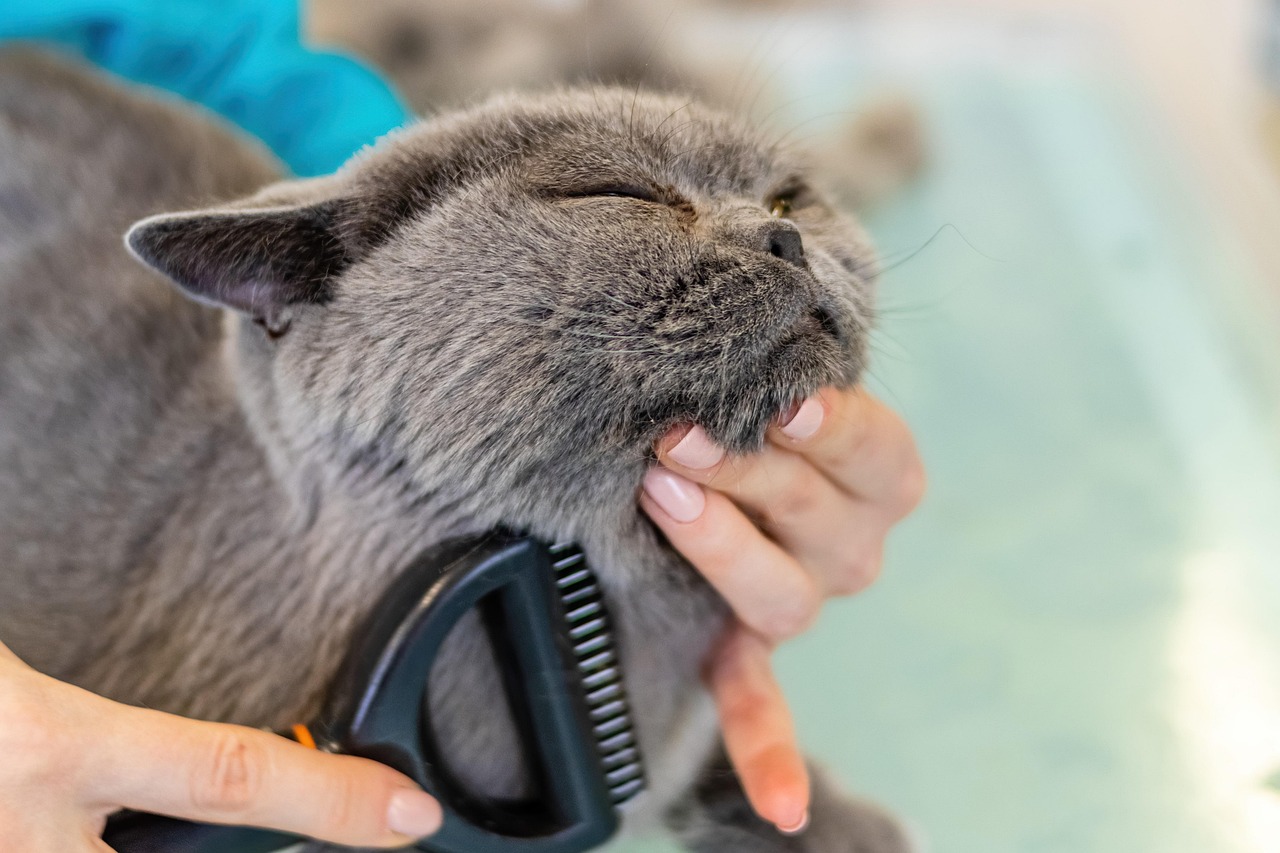
Owning a cat can bring immense joy, but it can also present unique challenges, particularly concerning allergies. Many people are allergic to cats, mainly due to proteins found in cat saliva, skin, and urine. Grooming your cat regularly is one of the most effective ways to reduce allergens in your home. Regular grooming sessions can help minimize shedding and dander, therefore providing comfort for allergy sufferers. A good grooming routine involves brushing your cat often to remove loose fur and prevent matting. Using the right tools, such as a slicker brush or a grooming glove, can ease the process. Additionally, make sure to establish grooming as a familiar and enjoyable experience for your feline companion. Treats and praise during and after grooming can help your cat associate this practice with positive reinforcement, thus improving compliance. If you’re still struggling with allergens, consider using air purifiers to filter particles out of the air. Maintaining cleanliness in areas where your cat spends time is crucial to long-term allergy management, making it essential to take proactive measures to safeguard your home.
The Importance of Regular Grooming
Regular grooming is not just about aesthetics; it plays a significant role in your cat’s health and your home’s cleanliness. Grooming helps keep coats clean and free of mats, which can cause skin irritation and lead to infections. This process reduces the accumulation of hair and dander that contributes directly to allergic reactions. Furthermore, routine grooming allows you to check for skin issues such as lumps, bumps, or signs of parasites. Try to incorporate grooming into your weekly routine to maintain the best health and hygiene for your cat. Consider using two different brushes, a wide-toothed comb for detangling, and a finer comb to remove dirt and dead hair. Always be gentle, as cats can be sensitive to discomfort. If your cat is particularly resistant to grooming, consult a veterinarian for advice on approaches. They may suggest specific grooming tools or techniques that can be helpful. Other considerations include creating a comfortable environment during grooming, as low-stress settings ensure a smoother process. Ultimately, regular grooming creates a better bond between you and your cat and enhances your living space.
Another aspect of managing cat allergies involves bathing your cat periodically. Although felines are generally good at grooming themselves, occasional baths can aid in removing allergens from their coats. Use a cat-friendly shampoo formulated specifically for sensitive skin to avoid irritation. To lessen any anxiety, prepare your cat in advance, allowing them to acclimate to the bathing area. Always have the necessary supplies within reach before you start, such as a non-slip mat, towels, and warm water. Make sure the bathwater isn’t too hot or cold, as cats are sensitive to temperature. A gentle wash focusing on the back and sides, followed by a thorough rinsing, ensures that no soap residue remains. After the bath, drying your cat with a towel will help reduce moisture that can attract dirt and debris. However, never use a human hairdryer, as the loud noise could frighten them. If your cat enjoys being damp, you can let them explore outside after the bath process. In this way, they’ll feel fresh, clean, and might even appreciate the experience, reducing their stress over time.
Dealing with Cat Dander and Allergies
Household allergies can stem from many sources, but cat dander is a frequent culprit. Understanding how to manage it effectively is key to keeping your living environment conducive to health. Besides grooming, various household practices help in reducing cat allergens in your home. Regular cleaning, including vacuuming carpets and upholstery, is vital. Invest in vacuum cleaners equipped with HEPA filters to trap fine particles effectively. Wash your cat’s bedding and toys weekly to eliminate dander buildup. Consider using dust-proof covers for your furniture to simplify the cleaning process. Aim to keep your cat’s living spaces distinct from high-traffic areas within your home to minimize allergen spread. Also, washing your hands after petting your cat can help to prevent transferring allergens to your face or food. Another method worth considering is limiting your cat’s access to bedrooms, as this is where people often spend significant time. Create a safe, cozy space for your pet in another room, allowing them to feel included without compromising your health. Managing cat dander and related allergies is integral to harmonious coexistence with our feline friends.
The environment you provide for your cat can also impact allergies. Regularly changing air filters in your home air conditioning and heating systems can help keep your indoor air cleaner and more breathable. A clean air environment reduces allergens, helping anyone with sensitivity breathe easily. Additionally, consider investing in UV air purifiers to capture airborne allergens. Cat owners should also be mindful of cleaning their living spaces to keep dust levels low. Vacuum corners of rooms and under furniture where pet hair can gather. Enthusiastically dust surfaces at regular intervals to get rid of particles that contribute to allergies. It can also be helpful to introduce non-toxic cleaning products that do not exacerbate allergies or create harmful fumes. A well-ventilated home will also help circulate air and minimize stagnant dust or dander build-up. Choose organic, hypoallergenic brands for washing your linens and cleaning materials, thus reducing chemical exposure. Simple lifestyle changes combined with grooming can enhance the well-being of both you and your beloved pet, creating a more pleasant home atmosphere for all.
Considering Dietary Adjustments for Cat Health
Diet is an often-overlooked aspect of grooming and overall health. A proper diet plays a crucial role in maintaining a healthy coat and reducing allergens. When cats eat nutritious food, it shows in their coat quality, leaving it shiny and less prone to excessive shedding. Omega fatty acids, such as those found in fish oil, boost skin and coat health while also providing anti-inflammatory properties. Speak with your veterinarian regarding the best dietary options for your cat based on their age and health status. Supplementing your cat’s diet can be beneficial for both internal health and external grooming benefits. Ensure that your cat stays hydrated, as hydration affects skin health. Encourage your cat to drink plenty of water or consider adding wet food to their diet. Providing treats and snacks that promote healthy fur can also be a good idea. Additionally, regular check-ups help to monitor your cat’s health and dietary needs over time. Emphasizing a balanced diet can lead to more effective allergy management, reducing the potential for discomfort in allergy sufferers living in your home.
In conclusion, cat grooming and allergy prevention form an essential part of responsible pet ownership. By incorporating grooming routines, regular baths, and a clean household environment, you can effectively manage allergens in your home. Supplementing these routines with proper dietary practices further enhances your cat’s coat health, reducing shedding and subsequent dander release. It’s important to create a stress-free environment for your cat during grooming to nurture a positive relationship that encourages compliance. Similarly, educating yourself on effective cleaning practices, such as using allergy-friendly products, can significantly improve your home’s health conditions. Considering these various approaches helps create a harmonious living space within your home, allowing both you and your feline friends to thrive together. To achieve success in this endeavor, you’ll need to be diligent and patient. Experience a rewarding connection with your cat by ensuring their grooming needs are met while protecting your home from allergens. Ultimately, investing time in grooming and cleanliness serves both your cat’s health and your family’s comfort.