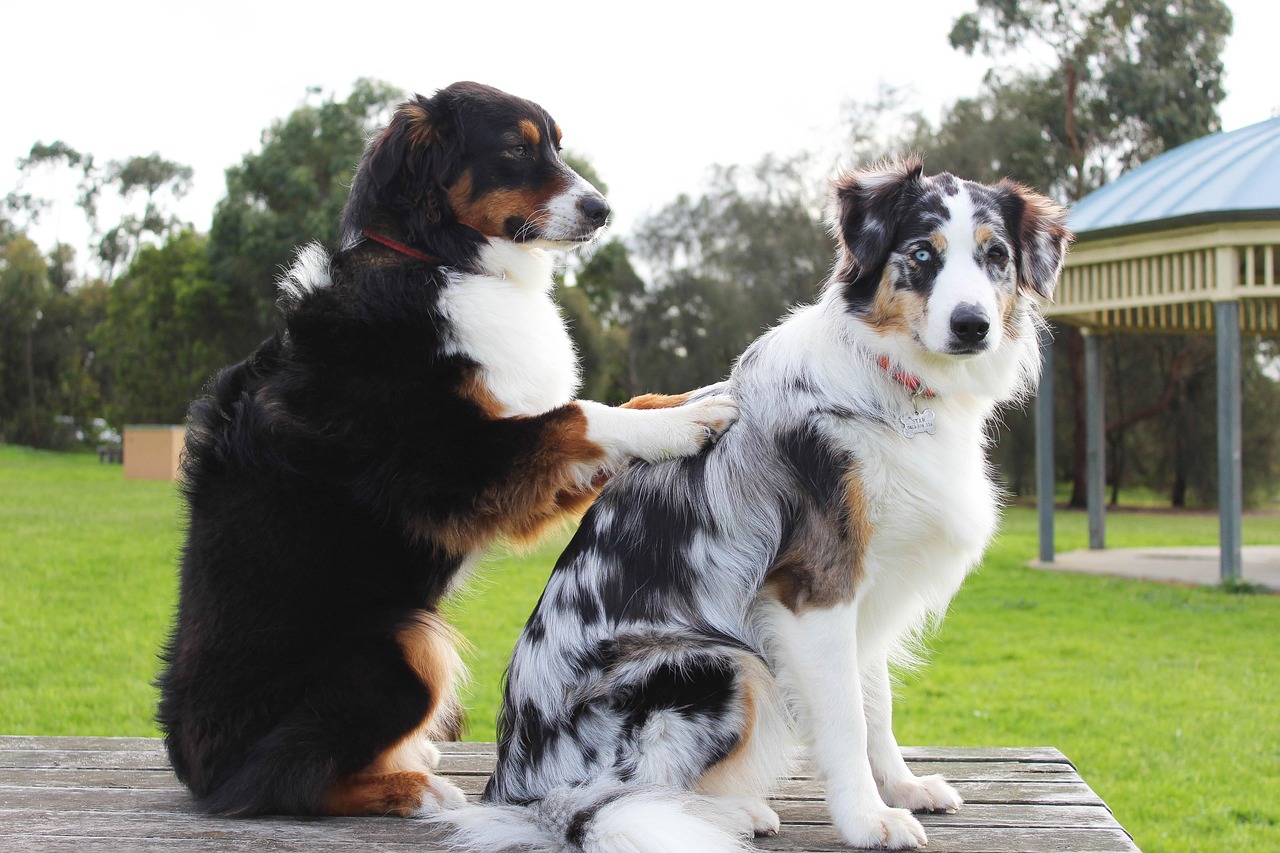

The Benefits of Massage and Physical Therapy in PTSD Dog Recovery
Like humans, dogs can experience trauma that leads to conditions like PTSD. Affected dogs often exhibit anxiety, fear, and stress that inhibit their quality of life. Massage and physical therapy can provide a safe and effective way to aid these dogs. These therapeutic approaches offer both physical and emotional support, promoting healing through touch and motion. By addressing the physical symptoms of PTSD, such as tension and pain, these therapies can help dogs regain trust and confidence. Furthermore, physical touch can strengthen the bond between the pet and owner, creating a reassuring environment. The release of endorphins during massage alleviates stress, promoting overall relaxation in the dog. Therefore, integrating massage and physical therapy into a dog’s recovery plan is beneficial. Not only does it address the physical symptoms associated with PTSD, but it also contributes positively to the dog’s emotional well-being. Owners can enlist the help of a certified canine massage therapist who can tailor therapies to fit the individual needs of their dogs and foster a supportive atmosphere for recovery. Ultimately, these therapies enhance recovery outcomes for dogs struggling with PTSD.
In addition to alleviating physical symptoms, massage therapy can also improve a PTSD dog’s mental health. Various studies indicate that gentle massage stimulates the release of oxytocin, a hormone linked to trust and relaxation. Thus, by regularly incorporating this into their experience, dogs may be more inclined to engage socially and explore their surroundings with less fear. This gradual reintroduction to normal activity fosters an encouraging environment where the dog can feel safe. Furthermore, massage can decrease cortisol levels, the hormone associated with stress. A significant drop in stress hormones enhances the dog’s overall emotional state. When combined with gentle physical therapy exercises, dogs learn to rebuild their strength, enhance their coordination, and ultimately feel more in control of their bodies. This renewed sense of control aids in alleviating the challenges they face due to PTSD and retraining their minds to overcome those barriers. Both owners and therapists play pivotal roles in this process; regular communication ensures that the approaches used remain effective while being adjusted when necessary. Consequently, the synergy between physical treatment and emotional support nurtures deeper bonds and healing necessary for recovery.
Understanding Massage Techniques
Understanding the specific massage techniques beneficial for dogs with PTSD is crucial. Each approach targets different aspects of the dog’s physical and psychological healing. For example, **Swedish massage**, characterized by long strokes, can release muscle tension and promote relaxation. It aids blood circulation, ensuring that vital nutrients reach tissues effectively, enhancing the healing process. **Deep tissue massage** focuses on deeper layers of muscles, effectively alleviating chronic tension. This technique can help relieve anxiety and promotes a state of relaxation, which is essential for trauma recovery. **Pressure point therapy** can be beneficial in releasing specific tension areas, addressing localized stress that dogs may hold due to trauma. On the other hand, **lymphatic drainage massage** supports the dog’s immune system, encouraging toxin removal and overall well-being. Owners should seek guidance from certified canine massage therapists who can incorporate these techniques based on individual dog needs. Learning and understanding these methods not only empowers owners but also becomes an integral part of the support system. This knowledge ultimately helps in promoting a more profound level of trust and bonding between the owner and the dog.
Physical therapy also plays a significant role in promoting the recovery of dogs suffering from PTSD. Various exercises can help to rehabilitate the body while simultaneously addressing emotional challenges. Tailored movements can restore strength and flexibility, contributing to a dog’s physical recovery. Incorporating agility exercises, gentle stretches, and even obstacle courses can provide dogs with a sense of normalcy as they practice motor skills. These activities allow the dog to engage their mind, honing concentration abilities while engaging physically. Building muscle strength is crucial for those previously injured or immobilized due to trauma. Hence, a progressive and positive reinforcement approach keeps the dog motivated. Beyond physical recovery, these activities encourage social interaction with both humans and other pets, which is essential for combating isolation fears associated with PTSD. Consultations with a certified animal physical therapist can significantly optimize this process. They assess the dog’s specific needs and ensure that each exercise is suitable. Consequently, physical therapy becomes more than just healing—it transforms into a holistic journey toward renewal, establishing resilience and confidence within the dog during the healing process.
Creating a Supportive Environment
Creating a supportive environment is essential for the success of both massage and physical therapy. The atmosphere in which therapy occurs plays a crucial role in the dog’s overall comfort and willingness to engage. Owners should ensure that the area is quiet and free of distractions, providing a calm space conducive to relaxation and focus. Soft music or background sounds can help soothe stressed dogs during sessions, creating a serene atmosphere that fosters healing. Special mats or blankets can also add comfort while providing stability during treatment. Observing the dog’s behavior is vital; if the dog shows signs of distress or discomfort, adjustments should be made to enhance its experience. Giving the dog plenty of breaks allows them to process sensations without becoming overwhelmed. Building routines into the therapy sessions can also provide reassurance, allowing dogs to develop familiarity with ongoing treatment. Owners can also establish positive associations with therapy through treats or playtime. This added layer of comfort ultimately reinforces the bond between the dog and owner, turning therapeutic sessions into loving experiences focused on healing and recovery.
In conjunction with these therapies, the importance of consistent follow-up and reassessment cannot be overstated. Tracking the dog’s progress over time allows owners and therapists to adjust treatment plans as necessary. Periodic evaluations will identify what works best for the specific dog while also pinpointing areas needing more attention. For instance, as a dog advances in recovery, different therapies might become more effective based on their evolving needs. Furthermore, establishing a comprehensive recovery plan must be a collaborative effort involving both veterinarians and skilled therapists. This increased communication ensures an understanding of the psychological and physical journey that the dog experiences. Moreover, encouraging owners to educate themselves about PTSD in dogs fosters a continuous learning environment. They can become effective advocates for their dogs, employing strategies learned through massage and physical therapy into everyday routines. Ultimately, an ongoing commitment to recovery emphasizes the importance of patience, love, and determination, which significantly contribute to overcoming PTSD challenges. This holistic approach creates a solid foundation for a dog’s success throughout the recovery journey.
The Journey to Recovery
In conclusion, the journey to recovery for dogs with PTSD requires a multifaceted approach. Integrating massage and physical therapy creates a nurturing atmosphere that supports healing both physically and emotionally. By encompassing unique techniques, attentive monitoring, and creating a supportive space, owners can provide significant comfort to their beloved pets. This combined effort not only enhances recovery for the dog but also fosters a deeper emotional bond between the dog and its owner. Investing time and energy into therapy sessions ultimately results in visible improvements in the dog’s behavior, confidence, and happiness. Those who embrace this path will likely witness their dogs return to broader social interactions, demonstrating enhanced trust in people and their surroundings. Comprehensive rehabilitation practices help restore a sense of normalcy, allowing the dogs to lead fulfilling lives despite past traumas. Ensuring consistent reassessment and adjustments allows for an evolving treatment plan, meeting the ongoing needs of the canine companion. With patience and dedication, recovery becomes an achievable journey where both dogs and owners thrive together in a supportive, loving environment.