
Training Your Dog for Car and Air Travel Comfortably
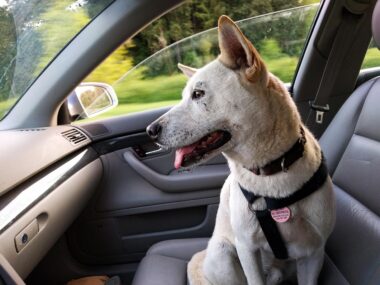
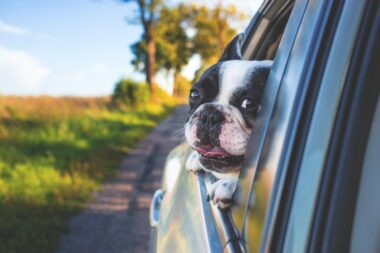
Traveling with dogs requires careful preparations to ensure their comfort and safety. One of the first steps is to acclimatize your dog to the vehicle. Begin with short trips around the neighborhood, gradually increasing the duration. This routine will help your dog get used to the car’s motion. Using a secure carrier or a safety harness can prevent injuries during sudden stops or tight turns. Additionally, temperature control is vital to keep your dog from overheating. When you’re traveling long distances, take frequent breaks to allow your dog to relieve itself and stretch its legs. Always ensure your dog is hydrated; carry water and a portable bowl for these stops. Furthermore, consider your dog’s diet before travel. It’s advisable to feed them several hours before you leave to avoid car sickness. Bringing familiar blankets or toys can also help soothe anxiety. For longer journeys, you might want to consult with your vet regarding safe sedatives. Preparing your dog in advance for car travel can make the journey much more enjoyable for both of you.
Air Travel Preparations
Air travel presents its unique challenges when going on adventures with your dog. The first action is to check the airline’s pet policy because each airline has specific regulations regarding transporting pets. Ensure you book a direct flight to minimize stress on your dog. Additionally, familiarize your pet with the travel crate that will be used during the flight; this can help ease their anxiety. Place their favorite toys or blankets inside the crate to provide comfort. Acclimatizing your dog to the crate before the big day is also a good idea, allowing them to see it as a safe haven. It’s advisable to train your dog to be comfortable in confined spaces, preparing them for the crate environment. Moreover, consult your veterinarian to acquire health forms required for air travel, ensuring your dog is healthy enough to fly. Your vet may also recommend a pre-flight examination, giving peace of mind. Remember to keep identification tags on your dog at all times, including your contact information. Proper preparation significantly reduces stress associated with air travel.
Checking the weather at both your departure and arrival locations is also critical. Extreme temperatures can pose risks for your dog during air travel. If the weather is too hot or too cold, it might be necessary to adjust travel plans or even consider alternative routes. To further ensure your dog’s comfort, consider the time of day for your travel. Early morning or late evening flights might be less stressful for dogs due to cooler temperatures. Additionally, getting your dog used to being in its crate for longer durations before your trip will also help. This training can reduce anxiety associated with confinement. During the flight, remain calm and relaxed. Dogs can sense anxiety, so your demeanor can help soothe them. If possible, take time to walk them for exercise in the airport prior to the flight to help ease any pent-up energy. Familiarize yourself with the location of pet relief areas in the terminal to make bathroom duties easier. These practical preparations can ensure a smoother experience.
During the Journey: Keeping Your Dog Calm
While traveling, maintaining your dog’s calm is vital for a pleasant journey. Interacting with your dog during breaks, providing water, and food are essential. Some dogs find comfort in their favorite toys or blankets, so having these items on hand can be beneficial. Toys not only provide comfort but also keep your dog engaged, reducing anxiety. Playing soft music in the car or on your phone can help create a relaxed atmosphere. Additionally, consider using calming products, such as pheromone sprays, which can aid in reducing stress. This calming sensation can distract dogs from their surroundings during travel. It’s essential to be attentive to your dog’s behavior throughout the trip. If you notice signs of distress, such as whining or excessive panting, address the situation promptly. Use gentle reassurances, and allow longer breaks if needed. Giving your dog opportunities to relieve itself when required will ensure better emotional management during the journey. Ensure safety measures are followed, such as keeping windows secure and seatbelts or crates fastened. These practices contribute greatly to safe, stress-free travel.
Planning is key to successful dog travel, especially regarding the environment they will encounter. You’ll want to prepare your dog for new places, introducing them gradually to unfamiliar sounds and smells. Before your trip, consider visiting local parks or quiet urban areas to adapt your dog to diverse environments. This helps in reducing the potential shock of new surroundings while traveling. Take a few short trips to different locations with your dog; it’ll help them build confidence in unfamiliar settings. Carry ample supplies, such as water, a leash, and waste bags for new outdoor experiences. For city travelers, practicing walking on a leash through busy areas can prepare your dog. Furthermore, anticipate potential challenges like different surfaces. Some dogs might hesitate on certain terrains, so familiarization in advance will help. Always observe your dog’s comfort level and never exert pressure beyond their limits. Choose destinations that are pet-friendly, considering their needs for bathrooms or rest areas. Travelling smart ensures successful adventures, bonding experiences, and memories with your furry friend.
Returning Home: Maintenance and Reflection
After returning from your trip, it’s time to reflect on the journey and how your dog coped with the travel experience. Pay attention to any changes in behavior; this can indicate whether your dog adjusted well or struggled during travel. Engaging in familiar routines, like daily walks and playtime, can help your dog transition back to daily life. Additionally, sharing positive experiences with your dog can reinforce their comfort level with travel. Gradually increase travel frequency to further foster their adaptability in various situations. Always reward them for good behavior during travels, making pleasant associations with future trips. Checking for any signs of travel-related stress is also crucial, such as changes in appetite or energy levels. If necessary, consult your vet for strategies to manage any adverse reactions. Moreover, keeping a travel journal to document what worked well and what didn’t is advisable. This insight can guide you in planning the next adventure. Cherishing the moments spent together and recognizing your dog’s limits solidifies a meaningful bond during travels.
Ultimately, the best approach to dog travel requires patience, preparation, and understanding. Each dog is unique; some adapt quickly while others may need more time to adjust. Carefully observing your dog’s behavior will allow you to tailor travel strategies to increase their comfort and enjoyment. Investing time in proper training will yield significant long-term benefits, enhancing your adventures together. Remember always to prioritize your dog’s health and wellbeing above all else. Adapt your plans according to their discomforts or fear. It can be helpful to consult professional trainers for personalized advice, ensuring travel success. There’s an incredible world waiting for you and your dog to explore together. With well-planned outings, you build enduring memories, strengthen your bond, and enjoy your distinct companionship. Lastly, embrace the joys of traveling with your furry friend, encouraging exploration and curiosity, fostering confidence in new places. Overcoming travel challenges can lead to enriched lives for both of you. Happy travels! Your dog deserves the best as you both embark on these incredible journeys.
As you prepare for your next adventure, keep these tips in mind to enhance your pet’s travel experience. Awareness of their needs combined with attentiveness to comfort makes every journey a success. From planning and training to reflection and care, each step sheers down anxiety and fosters joy in travel experiences. Sometimes, it might take more than a single trip to ensure your dog adjusts, but persistence pays off. All it takes is a little practice!