
Understanding the Impact of Dental Issues on Your Dog’s Appetite
When it comes to our beloved pets, we often overlook dental health as a crucial aspect of their overall well-being. Dental issues in dogs can manifest in various ways, leading to severe consequences, including a significant decrease in their appetite. Many dog owners may not recognize the signs of dental distress, which is alarming because dental disease is incredibly common in canines. Symptoms might include bad breath, difficulty eating, swollen gums, and visible tartar accumulation on the teeth. If you notice any of these signs, it’s essential to consult your veterinarian promptly. Ignoring dental problems can lead to further health complications, including infections that may spread beyond the mouth. Regular dental check-ups can help prevent such issues. Additionally, providing your dog with appropriate dental chews and toys can aid in maintaining good oral hygiene. Ultimately, understanding the connection between a dog’s dental health and their appetite can significantly improve their quality of life. A healthy mouth can lead to a happy dog, ensuring they eat well and enjoy their meals without pain or discomfort.
Another critical concern is the type of food you are providing to your dog, as soft or hard textures can affect their dental health. If a dog is experiencing gum disease or tooth decay, they may be hesitant to eat hard kibble or crunchy treats, opting instead for softer food that doesn’t cause them pain. This behavior can lead to a nutritional imbalance, weakening their overall health in the long run. Furthermore, dental pain may cause your dog to associate meal times with discomfort, making them less enthusiastic about food. To promote better eating habits, consider incorporating wet food into their diet or softening dry food with warm water. It’s also beneficial to monitor your dog’s eating patterns closely. If you notice them chewing differently or skipping meals, it’s worth a trip to the vet. They can diagnose any underlying issues and suggest suitable dietary changes. Remember that a dog’s diet plays a critical role in their dental health, and finding the right balance can enhance not only their appetite but also their vitality and lifespan.
Preventative Measures and Home Care
Preventing dental issues is far simpler than treating them, which is why proactive measures are essential. Regular brushing of your dog’s teeth is one of the best preventative strategies. Using a toothbrush and toothpaste specifically designed for dogs can help maintain proper oral hygiene. Ideally, you should aim to brush your dog’s teeth at least two to three times a week. Furthermore, incorporating dental treats into your dog’s routine can also aid in reducing tartar buildup and improving gum health. Look for products approved by the Veterinary Oral Health Council (VOHC) to ensure they are effective. Scheduling routine veterinary check-ups is equally important; your vet can perform professional cleanings and provide recommendations tailored to your dog’s needs. Lastly, keeping an eye on their chewing habits and adjusting their diet accordingly can minimize potential problems. Regularly inspecting their teeth and gums allows you to catch any signs of trouble early. By taking these proactive steps, you can significantly enhance your dog’s dental health and, by extension, their overall happiness.
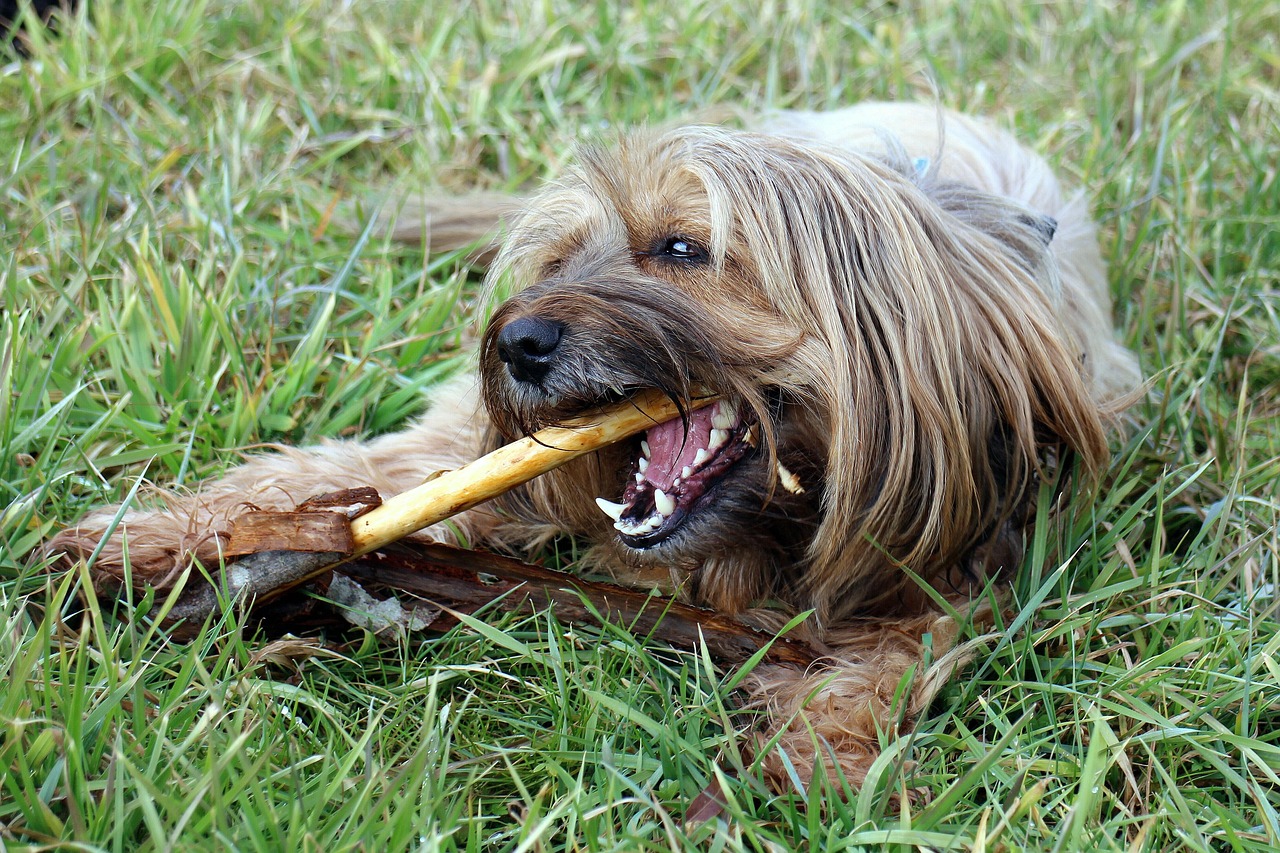
Another aspect that often gets overlooked is the importance of a dog-friendly environment when it comes to dental health. Ensuring your dog has access to safe chew toys can help promote healthy teeth and gums. Chewing on appropriate toys can stimulate saliva production, which naturally cleanses the mouth and reduces plaque. It’s crucial to avoid toys that are too hard, as they may fracture teeth or cause discomfort. Selecting the right materials is key; soft, rubber-like toys often work best. As a rule of thumb, look for toys that are designated for dental care or that have unique textures designed to clean teeth while your dog plays. Balancing their chewing activities with dental-friendly habits can help maintain a healthy mouth. Additionally, providing your dog with access to fresh water can aid in washing away food particles and bacteria. Remember that hydration is critical for your dog’s overall health and can significantly affect dental wellness. By fostering a supportive environment, you can help prevent dental issues that might negatively impact their appetite and quality of life.
Recognizing Signs of Discomfort
Understanding how dental problems can affect a dog’s mood and behavior is essential. An uncomfortable dog is often not an eager eater, and the signs of oral pain can manifest in subtle ways that might easily go unnoticed. Pay close attention to changes in behavior; if your dog suddenly becomes irritable or tends to avoid certain activities, it could indicate discomfort caused by dental issues. Some dogs may even exhibit a reluctance to be touched around their mouths or face, signaling pain or sensitivity. Additionally, if you notice dropping food while they eat or excessive drooling, these could be indicators of dental problems that need addressing. A reduction in enthusiasm during meal times or an outright refusal to eat any food can also signify issues that need investigation. As a caring pet owner, becoming adept at recognizing these signs is integral to ensuring your dog’s health is maintained. Regular check-ups become vital for intervening early when you detect any signs of discomfort, which can help in managing and alleviating dental health concerns.
Dental health not only affects a dog’s appetite but may also have implications for their social behavior. Dogs that are suffering from oral pain may become withdrawn or less interested in interacting with other pets, leading to a more isolated lifestyle. This isolation can inadvertently affect their mental well-being, as socialization plays a crucial role in a dog’s happiness and overall health. Additionally, bad breath resulting from dental issues often makes dogs less appealing to both their owners and other pets, creating potential barriers in social situations. Engaging in playtime and maintaining regular social activities are essential for your dog’s emotional health. If they begin avoiding companionship due to discomfort or embarrassment from bad breath, they may miss out on valuable interactions. As a loving pet parent, it’s vital to recognize the interconnectedness of dental health and social behavior, which significantly influences your dog’s happiness levels. With the right preventative measures and timely veterinary intervention, you can help maintain not just their dental health but also their social interactions and overall vitality.
The Importance of Veterinary Visits
A visit to your veterinarian plays a crucial role in maintaining your dog’s dental health and overall wellness. During these visits, professionals can perform comprehensive dental examinations, identifying problems early and offering solutions tailored specifically to each dog’s needs. Your vet can provide guidance on the best dental care routine to minimize the risk of diseases and any subsequent impact on appetite. It’s advisable to establish a routine dental check-up every six months unless otherwise directed by your veterinarian. Some dogs may require more frequent visits due to their specific dental health conditions. Regular veterinary care is essential for maintaining a healthy mouth and eyes trained to catch any early signs of distress. Moreover, discussing dietary changes, dental products, and preventative tips can enrich your knowledge and enhance your dog’s oral care routine. Being proactive not only treats existing problems but also actively prevents new ones from arising. The importance of veterinary visits cannot be emphasized enough, as they stand as the first line of defense against dental problems that can affect your dog’s appetite and quality of life.
In summary, the impact of dental health on your dog’s appetite is more profound than many realize. Recognizing the signs of dental distress can make a significant difference in their quality of life. It’s imperative for dog owners to prioritize dental care and not dismiss any visible discomfort their pet might show. Healthy teeth and gums contribute to an overall healthier lifestyle for your dog, encouraging a more enjoyable eating experience. By implementing regular dental care practices, seeking veterinary guidance, and creating a supportive environment at home, you can enhance your dog’s well-being and appetites. Being aware of the intricate relationships between dental health, appetite, and behavior is vital. Taking these proactive steps not only helps keep your dog’s mouth healthy but also enriches their overall happiness and vitality, ensuring they lead a joyful life. The responsibility of caring for your dog entails vigilance and dedication, particularly regarding their dental health. Your efforts will undoubtedly lead to a happier, healthier, and more vibrant furry family member.