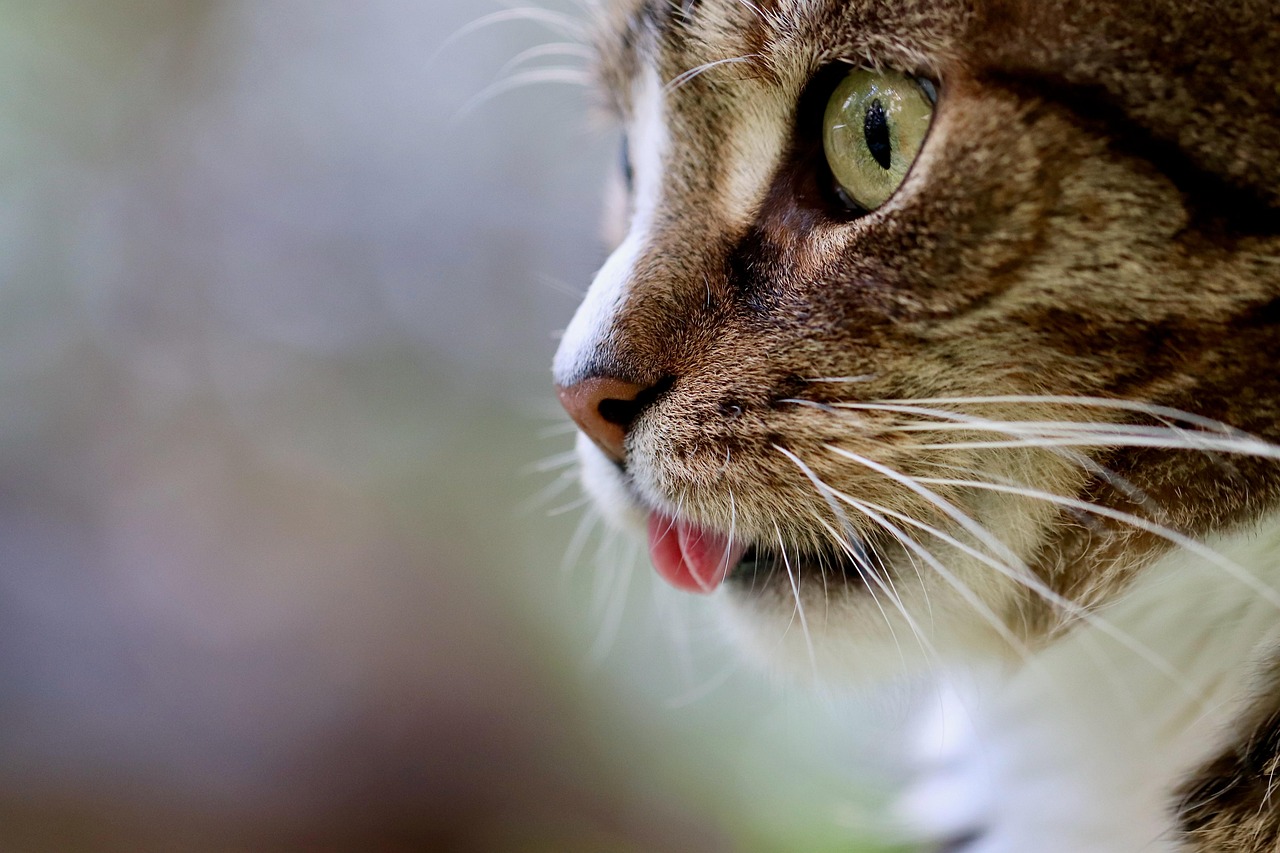

Age-Related Metabolic Changes in Cats and Nutritional Implications
Cats experience various metabolic changes as they age, making it crucial to adjust their nutritional intake accordingly. Kittens require higher amounts of protein and fats, which help in their rapid growth and development. As they enter adulthood, the focus shifts to maintaining lean body condition and muscular integrity. The energy requirements of cats vary significantly across life stages. Senior cats face a decline in metabolism, leading to weight gain if their calorie intake is not adjusted. This is particularly important, as obesity in senior cats can lead to further health complications such as diabetes and arthritis. Nutrients should be balanced not just for energy needs but also for muscle maintenance, bone health, and metabolic function. It is essential to monitor body weight regularly and adapt diets as needed. Therefore, a well-balanced diet should be offered, based on the cat’s age, size, and activity level. Owners must consult with their veterinarian to determine the best nutritional strategy for their cat’s specific age-related needs. Regular reviews can make a significant difference in ensuring a cat remains healthy throughout its life.
In addition to adjusting caloric intake, dietary composition plays a pivotal role in catering to the needs of aging cats. Senior cats may require diets that are lower in calories yet enriched with high-quality protein to preserve muscle mass. Nutrients like omega-3 fatty acids are beneficial for maintaining joint health as they help reduce inflammation. As cats age, their ability to digest food efficiently can decline, necessitating feeding strategies that enhance digestion. Senior formulas often include easily digestible carbohydrates, ensuring optimal nutrient absorption. Moreover, the kidneys may become less efficient with age, so protein levels should be balanced to avoid excessive strain on these organs. Veterinary guidance can assist in identifying appropriate protein levels for senior cats, which may differ based on their health status and lifestyle. Hydration is also vital, and canned food can be an excellent option as it contributes to overall fluid intake. Additionally, incorporating fiber in their diets can aid in digestive health. Monitoring specific nutrient levels will help in addressing the unique metabolic challenges facing senior felines, making timely adjustments critical for their health.
Adjusting Protein Levels for Aging Cats
As cats transition into their senior years, there is a marked need to reevaluate their protein requirements. Aging cats often face a decline in lean body mass, making protein a vital nutrient to maintain muscle health. However, it is essential to balance protein intake with the cat’s kidney functionality since compromised renal health is common in older felines. The quality of protein matters greatly, as higher quality sources are more efficiently utilized by the aging cat’s body. Many veterinarians suggest senior cat diets contain around 30 to 40 percent protein but emphasize the need for it to come from highly digestible sources. Nutritionists also recommend incorporating animal-based proteins, as they provide essential amino acids needed for maintaining muscle mass. While ensuring adequate protein levels, it is equally important to avoid overloading the cats with protein, which can put additional stress on the kidneys. Therefore, regular vet consultations help monitor any dietary shifts necessary for cats as they age. Overall, the focus should be on quality over quantity when adjusting protein levels in senior cat diets.
Alongside protein considerations, another crucial aspect of age-specific nutrition for cats is the inclusion of fiber in their diets. As they age, feline digestive systems can experience a slowdown in efficiency, which can result in gastrointestinal issues. Including soluble and insoluble fibers can aid in improving gut health and regularity. This is particularly important for cats that may suffer from constipation, a common problem in older felines. Fiber helps bulk up the stool, promoting healthy bowel movements, and can also assist in weight management by providing a feeling of fullness while containing fewer calories. Many commercial senior cat foods now feature added fiber to address these health concerns effectively. Additionally, fiber plays a role in managing blood sugar levels, particularly important for overweight or diabetic cats. Many cat owners opt for high-fiber diets to assist in weight management and overall health improvement. Providing high-fiber treats and considering meals that incorporate natural fiber sources will enhance their diets significantly. Combining these dietary strategies can ensure aging cats maintain healthy digestive tracts and optimal weight.
The Role of Fat in a Senior Cat’s Diet
The metabolic needs of senior cats differ significantly from their younger counterparts, especially concerning fat intake. While younger cats often thrive on high-fat diets to support their energy levels, older felines require a more moderated approach. It is essential to ensure that the type of fats included in a senior cat’s diet is beneficial and easily digestible. Omega-3 and omega-6 fatty acids are particularly important for improving coat health and reducing inflammation in joints. These fats contribute to improved cognitive function, combating age-related decline in brain health. Moreover, balancing fat levels in the diet aids in maintaining energy without promoting excess weight gain. The caloric density of fats can benefit senior cats, especially those who may have diminished appetites and need more concentrated sources of energy. However, owners should be cautious not to overindulge in fatty treats or rich foods, which may lead to obesity. Therefore, responsible management of fat intake ensures that senior cats benefit from the vital nutrients without facing the adverse effects of excess diet calories.
As cats age, hydration becomes increasingly important in maintaining their overall health. Aging felines may lose their thirst drive and could be at risk of dehydration, influencing their kidney function adversely. Thus, ensuring sufficient fluid intake is essential for promoting healthy organ function. Offering a mixture of wet canned food alongside dry kibble can help enhance hydration levels. Wet food generally contains higher moisture content, contributing to overall daily water intake. Additionally, incorporating fresh water sources, like fountains, may stimulate cats’ natural tendencies to drink more frequently. It also helps to ensure the cats have access to fresh, filtered water at all times. Senior cats may be more inclined to drink if the bowl is placed in a quieter location, free from disturbances. Encouraging healthy hydration habits can make a significant difference in overall health and support kidney function. Furthermore, supplements or diets designed to promote urinary health can be beneficial as they help dilute urine and reduce stone formation risks. An awareness of hydration needs in senior cats can lead to a marked improvement in their vitality and health.
Conclusion: Tailoring Nutrition for Senior Cats
In conclusion, the nutrition of senior cats must be tailored to meet their specific metabolic needs. This often means paying extra attention to protein quality and quantity, fiber levels, fat intake, and hydration. Each of these elements combines to address the particular health challenges that arise with aging. Regular veterinary assessments can guide owners in making informed decisions about dietary modifications. This will further ensure optimal health and longevity as cats age. A comprehensive approach that includes evaluating energy expenditure, making informed dietary choices, and monitoring weight assists in managing senior health. Owners must take proactive steps to adapt their cat’s nutritional intake over time to avoid health complications. Recognizing how age affects metabolism can lead to more effective management of elderly cat health. With careful attention to dietary needs, older felines can enjoy a healthy and vibrant life as they age. Ultimately, the focus should remain on enhancing their quality of life and overall well-being while making meal times enjoyable and supportive of their health needs.
With the right approach, the impact of nutrition on age-related changes can be profound, ensuring your feline friend thrives even in its later years. In addition to a proper diet, maintaining an active lifestyle through play and exercise can enhance senior cats’ health and well-being. Engaging them with appropriate toys and activities is crucial for mental and physical stimulation. This holistic approach to care fosters positive outcomes and encourages longevity. As responsible pet owners, it is our duty to recognize the important interplay between nutrition and health, particularly as our cats reach their senior years. Establishing a proactive wellness plan incorporating routine checkups, tailored nutrition, and mental engagement can significantly boost the quality of life for our beloved companions. Let’s celebrate every stage of their lives by adapting to their changing needs and ensuring they remain active participants in our families.