
How to Calm Rescue Dogs During Grooming Sessions
Grooming rescue dogs can often be a challenging task, primarily due to their past experiences that may have caused anxiety and fear. To begin, creating a peaceful environment is crucial. Start with a quiet room where distractions such as loud noises are minimized. Gentle lighting and soft background music can help establish a calming atmosphere. Additionally, useful tools such as a grooming table with rubberized surfaces can prevent slipping, adding to the comfort of the dog. Alongside this, consider the use of calming sprays or pheromone diffusers that help create a serene space for the dog. Offering treats can establish a positive reinforcement system which encourages the dog to associate grooming with good experiences. Remember, patience is key here. Allow the dog to explore the tools first, ensuring they feel comfortable. Give plenty of positive verbal clues, and engage in gentle petting and soothing tones throughout the grooming process, benefiting both you and your dog. Furthermore, employing specialized techniques to gently groom certain areas can lessen anxiety while maintaining safety for both parties.
Understanding Body Language
Understanding your rescue dog’s body language is vital to ensure a calm grooming session. Various signals like crouching, rolling over, or backing away indicate discomfort or fear. It is important for a groomer to recognize these signs early. Underlying emotions can significantly impact how the dog perceives grooming tools. For instance, a dog that is exhibiting a stiff posture may not be ready for contact and should be approached gradually. Noticing their tail position can also guide you; a tucked tail means submission and fear, while wagging signifies excitement or happiness. By observing these cues, groomers can better adapt their approach, customizing the grooming session to cater to each dog’s unique needs. Positive reinforcement plays a large role as well. When the dog displays relaxed behaviors, reward them; this method reinforces their positive response. The goal is to build trust with the dog, replacing anxiety with comfort and safety. This process may take time, but it is crucial to establish a bond of trust. Regular visual check-ins and gentle touches during grooming can help maintain calmness throughout the entire session.
Gradual desensitization to grooming tools is another effective technique for calming rescue dogs. Start with tools that pose the least threat; for example, introduce brushes and scissors slowly and allow the dog to inspect them. Allowing the dog to sniff the tools helps them associate these items with positive experiences. Implementing a process known as ‘counter-conditioning’ can also prove beneficial. This involves pairing the sight and sound of the grooming tools with treats or playtime, reinforcing positive associations in their mind. Furthermore, gradually increasing the grooming duration helps the dog adjust without overwhelming them with extensive sessions from the onset. Once they show comfort with a particular tool, continue the grooming process while using treats and praise to keep the atmosphere light and fun. This phase is essential in gaining trust while ensuring a more relaxed state of mind. Monitor their reactions throughout the session to adjust your methods accordingly. Being flexible can dramatically increase their confidence in both the grooming setting and their overall interactions with you, enriching their grooming experience while minimizing stress. Patience and consistency are paramount in this process.
Creating Positive Associations
Building positive associations during grooming sessions is fundamental, particularly for rescue dogs who may have experienced trauma. This process signifies that grooming does not equal fear. Begin with short grooming sessions, gradually increasing the duration as your dog becomes more comfortable. Introduce the grooming tools near the dog while offering treats and praise to reinforce this positive behavior. The intent here is to create a safe zone within the grooming space, ensuring the dog feels protected. Additionally, incorporating fun activities like playtime before and after grooming can create a more enjoyable experience. Balance is crucial between grooming and rewarding the dog, allowing them to anticipate good outcomes from grooming. Utilizing their favorite toys or engaging in a play session afterward can help bridge the gap between grooming and joy. Establishing routines can also provide dogs with a sense of predictability and comfort. Understanding your dog’s preferred treats and toys can make a significant impact. Overall, patience alongside this positive reinforcement strategy will assist in alleviating any grooming anxiety, paving the way for a more enjoyable grooming experience.
Incorporating breaks during grooming sessions can significantly help to calm a stressed-out rescue dog. Allowing the dog to take brief breaks will give them a chance to regroup, reducing anxiety while promoting relaxation. Plan out the grooming procedure in small, manageable intervals, which can help the dog remain focused and calm. This balance allows the dog to engage without feeling overwhelmed by the process. During these breaks, provide the dog with water or offer them treats while showing affection. This demonstrates to them that breaks are also positive experiences rather than a punishment. It’s essential to respect the dog’s limits; if they display signs of stress or discomfort, consider halting the grooming session altogether and revisiting at a later time. Consider scheduling grooming sessions during less busy hours to maintain a peaceful environment, free from distractions and potential overstimulation. Employing this method prioritizes the dog’s emotional well-being and fosters a positive grooming experience over time. As they build confidence through short sessions interspersed with breaks, the dog can learn to trust the grooming process more while dismissing fears associated with it.
Veterinary Considerations
Sometimes, underlying medical issues can contribute to a dog’s stress during grooming. Prior to beginning the grooming process, ensure that the dog has been health-checked by a veterinarian. Pain or discomfort due to underlying health conditions can heighten anxiety during grooming, causing distress for both the dog and groomer. If the dog is suffering from skin issues, arthritis, or other painful conditions, grooming may exacerbate their discomfort. Speak with a veterinarian about potential strategies to help ease anxiety in such cases, as there may be medications or treatments that could lessen the stress experienced. Additionally, veterinary professionals can provide insight into specific care requirements that can assist in managing your dog effectively during grooming sessions. Seeking advice from experts can ensure you feel more prepared due to clarified understanding. Maintaining routine health exams assists in identifying pain and discomfort that may otherwise go unnoticed. As a result, your dog will have a clearer pathway to a better grooming experience. It is essential to prioritize your dog’s overall well-being to create a more enjoyable, stress-free grooming regime.
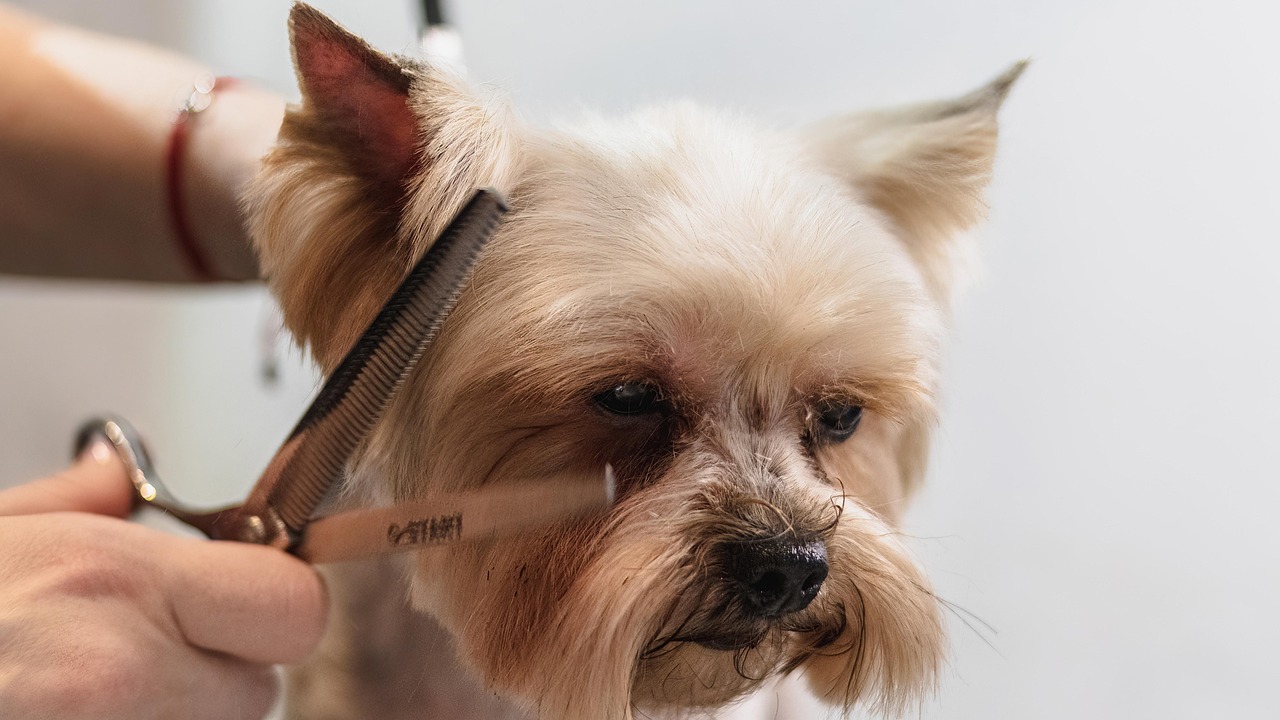
Understanding breeds and their grooming needs can also influence how to handle anxiety. Certain breeds have specialized grooming patterns based on their coat types. Researching these grooming needs allows for a tailored approach. For example, long-haired breeds may require more thorough combing as opposed to shorter-haired breeds. This consideration can alleviate unnecessary frustrations during grooming, while also helping you understand specific sensitivities. Taking the time to explore various grooming techniques that fit the breed can make the overall experience smoother and more manageable. Typically, low-stress tools make a notable difference in how dogs respond to grooming. For instance, using scissors instead of clippers can often be less intimidating for the dog. Utilizing online guides from pet experts about breed-specific grooming can be quite helpful. Connecting with a professional groomer who understands your dog’s breed will provide invaluable insights that aid in keeping grooming stress minimal. Embracing a better understanding of the dog’s specific grooming requirements helps create a positive experience over time as they adjust and develop trust while grooming takes place. Each session can be an opportunity for learning and growth.
After grooming, it is paramount to offer the dog praise and comfort; this creates a sense of accomplishment. Reinforcing positive feelings after grooming sessions helps solidify their trust in you as a groomer. A small celebration involving their favorite toys, treats, or playtime can solidify this positive association. Furthermore, monitoring your dog’s behavior beyond grooming sessions can help in observing behavioral progress. Maintaining an understanding of how monthly grooming affects their overall conduct is valuable. Keeping notes on any reactions allows you to tailor future grooming sessions based on past experiences, adjusting strategies to maximize comfort. A well-established routine contributes to the dog’s readiness for future initiatives. They learn that grooming is part of the process, and it can lead to positive outcomes. Celebrate small victories; every dog is distinct, and progress might occur slowly but surely. Your dedication shapes each grooming experience, gradually molding your dog’s response over time. By combining thoughtful techniques and reward systems, the overall experience becomes less of an obstacle and more of a collaborative effort, where both you and your dog can enjoy grooming sessions, paving the way for lasting positive results.