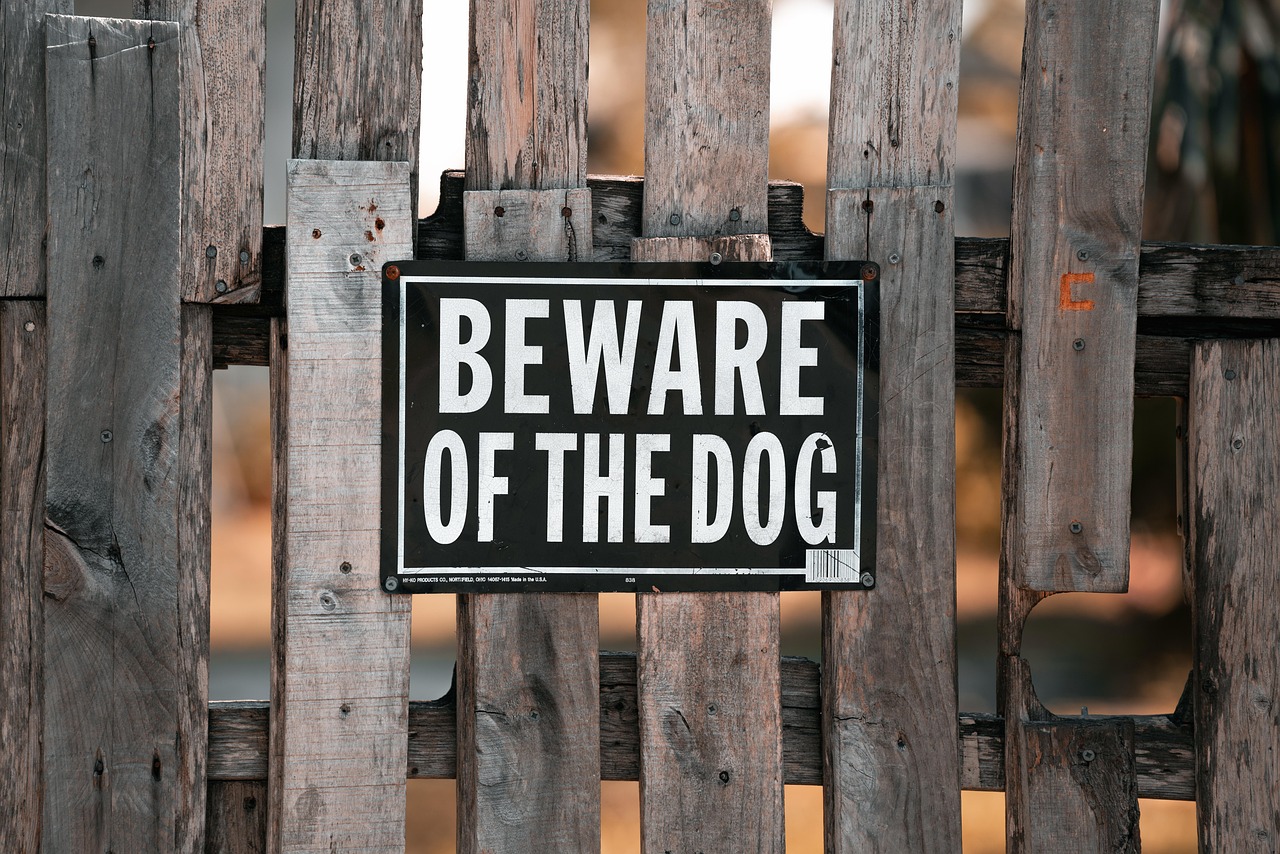

How to Modify Your Fence to Make it More Dog-Proof
When it comes to preventing your dog from jumping fences or barriers, making modifications to the existing setup is crucial. A well-designed fence not only keeps your dog safe but also provides peace of mind for owners. First, assess the height of your fence. Most breeds can easily jump a 4-foot fence; therefore, you may want to consider increasing the height. Adding an additional foot or two would help deter even the most agile dogs. Installing a solid top rail can provide further difficulty for dogs attempting to jump over. Second, consider different materials. In many cases, the wood or chain-link may not provide strong enough barriers. A solid, sturdy vinyl or a privacy fence can be excellent choices. Additionally, evaluating your dog’s jumping style can provide insights into what modifications will work best. If your dog is a climber, ensuring that the fence lacks any footholds is important, so smooth surfaces can discourage climbing. Finally, consider the overall layout of your yard. Creative landscaping can also deter jumping by adding obstacles or visual blockages around your fence.
Another effective way to secure your fence is through the use of extension options or barriers. This allows you to increase the height without incurring hefty costs. Products available for this modification can include fence toppers or slanted fencing additions. These usually extend upwards at a 45-degree angle, making it much more difficult for dogs to clear the fence. You can install wire mesh or slat board additions that both heighten the barrier and fortify it against jumping. These products should be securely fastened, with no openings for claws to make use of when trying to gain footing. It is also vital to make sure that the techniques you choose match the aesthetic of your yard while still functioning effectively. Furthermore, reinforcing the base of your existing fence might be necessary to prevent digging underneath it. Burying concrete or using landscape timbers can help deter digging. Ultimately, creating a secure and safe yard for your dog has both practical and aesthetic benefits, allowing for better integration of barriers without making your yard look unattractive. These measures ensure your furry friend remains in safe confines.
Investing in Additional Training
Alongside physical modifications, it is essential not to overlook behavioral training for your dog. Training is a long-term investment that can significantly minimize jumping behaviors. Teaching your dog commands such as ‘stay’ or ‘leave it’ can help reinforce their boundaries and prevent them from attempting to breach the fence. Positive reinforcement techniques, such as treats or praise for desired actions, can motivate your pet to follow these commands. Additionally, engaging a professional dog trainer can yield results if your dog exhibits persistent jumping behavior. An experienced trainer will equip you with strategies tailored to your dog’s personality, effectively addressing the impulses behind their jumping. Regular exercise can also play a role in really managing boredom, which is often a trigger for fence jumping. Keeping your dog mentally and physically stimulated ensures they feel content and less likely to escape. Activities such as fetch, agility training, or even puzzle games can provide beneficial alternatives. Remember that consistency is key, as evident progress can take time. Ultimately, coupling modifications with training enhances your ability to maintain a safer yard environment for your dog.
Involving your dog in outdoor activities can create a healthy distraction, reducing their desire to jump fences. Regular walks, trips to the dog park, and interactive playtimes may help satisfy their physical and mental needs. Keeping your dog adequately engaged can often minimize the interest in escaping your property. Consider creating a dedicated play area with toys and climbing tools that can effectively occupy their time and potentially prevent them from focusing on the fence. This not only outmaneuvers the temptation to escape but also fosters a closer bond between you and your dog. Additionally, regular inspections of your fencing can identify potential weaknesses or points of escape before they become larger issues. Pay attention to any wear and tear caused by weather or your dog to stay ahead of the problem. Addressing potential escape routes promptly ensures you maintain a secure environment. Maintain a regular schedule for visual inspections to keep an eye on worn areas. Not to forget, neighbor awareness about your dog’s tendencies can foster a sense of understanding among nearby homeowners. It’s good to keep open lines of communication in case any issues arise.
Utilizing Visual Barriers
Visual barriers are an effective modification option to consider when trying to deter jumping behaviors. Planting tall hedges or installing decorative trellises can obscure your dog’s view of the world outside. This can help minimize distractions that may lead them to jump the fence. In particular, dense shrubs are beneficial as they create a more secure and private environment. Dogs often jump to chase after birds or other animals, and obstructing their vision diminishes these triggers. You might also consider the use of tall planters or raised flower beds that can function as barriers while enhancing aesthetics. As bushes mature, their physical presence can further help keep your dog rooted in the yard where they feel secure. Additionally, the scent of these plants can serve as an enticing distraction to engage your dog amid their surroundings. As part of your landscaping efforts, ensure that you maintain the foliage and regularly trim any growth that can allow climbing or jumping access. The visual and sensory stimulation will enrich your dog’s outdoor experience while keeping them safely contained.
Furthermore, adding a smooth, sloped design to the top of the fence can deter jumping by making it more challenging to scale the height. Utilizing materials like chicken wire or specially designed fencing can create phalanxes that are difficult for a dog to navigate when they attempt to escape. This method can be particularly effective, as most dogs prefer not to face surfaces that offer less grip. For the sake of aesthetics, consider combining this with decorative fence toppers that suit your yard’s design. Remember to check local regulations relating to fences, as planning requirements may exist. Ensure that any additions conform to your community’s guidelines. Transparency with fellow homeowners about your plans will foster a sense of unity within the neighborhood. Pushing back against jumping fences with these practical strategies can ensure you create a safe, joyful environment for your dog. Moreover, engaging in community discussions can help establish camaraderie and accountability while working together to solve similar fencing issues. Educational workshops in your community can also present innovative solutions for dog-proofing.
Conclusion
In conclusion, creating a dog-proof fence requires a thoughtful combination of physical adjustments, training, and management. The methods discussed can effectively enhance both the safety of your pet and create a visually appealing yard space. Whether it involves increasing your fence height, utilizing visual barriers, or enriching your dog’s environment with exercises and engagement, these strategies can prevent jumping. Additionally, the involvement of professional help or dedicated community efforts can amplify your success in these pursuits. Overall, ensuring your dog remains secure within your property is vital for their safety and personal happiness. Since dogs are a notable part of every household, prioritizing their needs will also foster harmony within the home. The measures articulated provide tangible solutions to common dog behavior problems associated with jumping fences. A balanced approach that embraces both modification and training can yield the best results in securing your yard while promoting a happy pet life. Remember, continuous observation and interaction with your dog enhances the strategies employed. Proper investment in your dog’s well-being brings benefits that both pets and their owners can cherish for years to come.
Dog fencing solutions are crucial for any owner who aims to maintain a loving relationship with their canine companions while ensuring their safety. With a few strategic alterations to your fencing setup and commitment to training, you can provide enriching surroundings for your furry friends. Understanding the unique jumping behaviors of your dog will guide you to the most appropriate modifications and techniques to incorporate in your plan. A combination of solid fence construction, adaptable training routines, and creative landscaping will result in a harmonious environment for both dogs and humans. Regular evaluation and maintenance are recommended to adapt your strategies effectively over time. Exploring the perspectives of fellow dog owners can also provide unique insights into the challenges you may face. Share experiences, participate in local dog owner communities, and develop new ideas that can contribute to dog-proofing your yard. Ultimately, creating a safe space where your dog can thrive and enjoy their outdoor time should be an achievable goal for every pet owner.