
How to Stabilize a Fractured Limb in a Senior Dog
When a senior dog suffers a fractured limb, it can be alarming for any pet owner. Senior dogs often have weaker bones and overall health concerns that complicate fractures. To effectively stabilize this injury, the first step involves assessing the condition of the dog. Observe for signs such as swelling, excessive barking, or reluctance to move. Ensure your dog is calm and in a safe environment. Avoid unnecessary movement that could worsen the injury. If the dog is in distress, it is wise to gently restrain them using a soft blanket or towel. Recognize the signs of shock: pale gums, shallow breathing, and rapid heart rate. Responding quickly can help you manage the injury effectively. Gathering essential first aid supplies is vital. You will need splints, bandages, and tape to create a makeshift support. Remember that stabilizing a fracture helps reduce pain and minimizes the risk of further injury. After you have managed the limb, it is critical to seek veterinary care immediately. Time is of the essence, and, if possible, transport the dog in a manner that avoids movement of the injured limb.
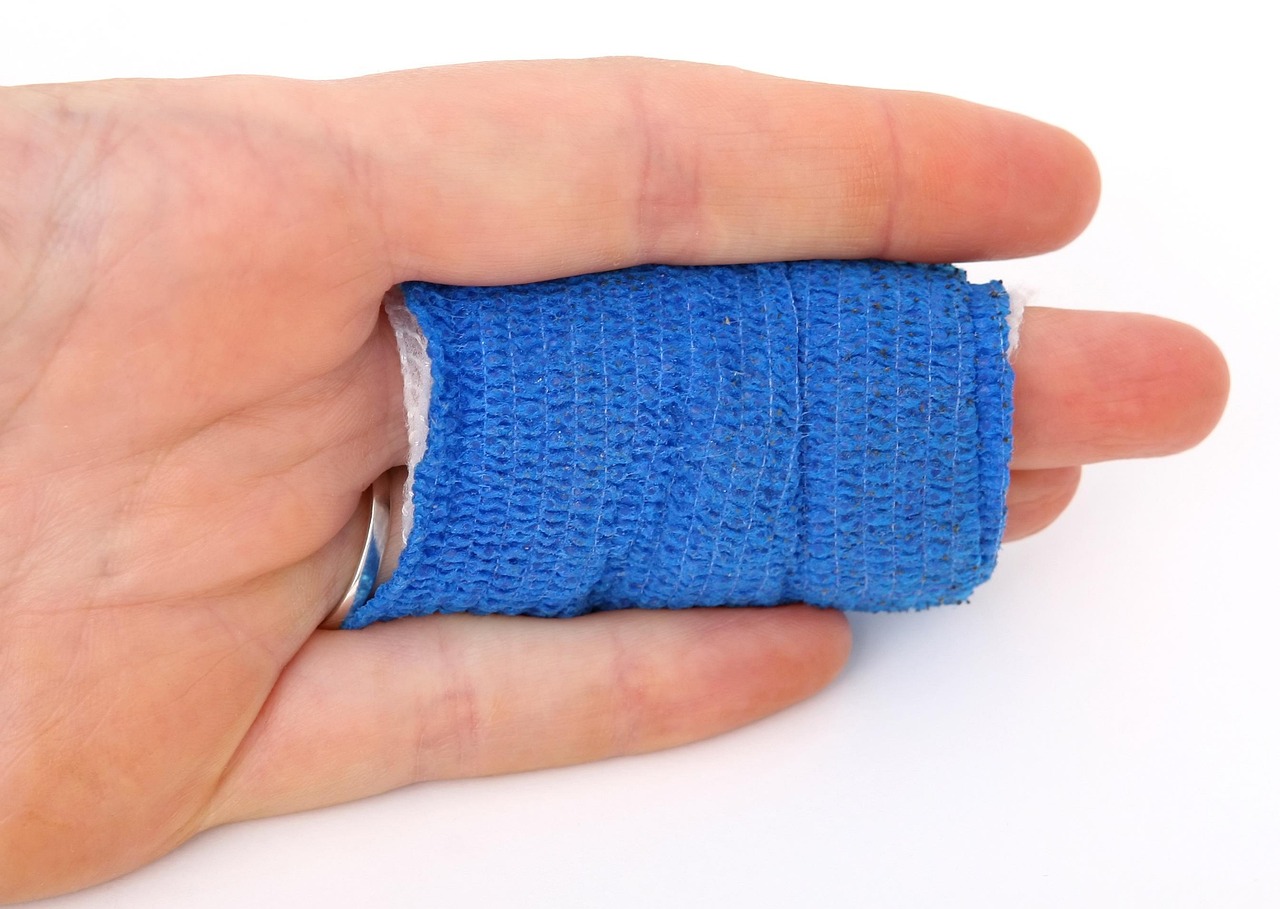
When dealing with a fractured limb in a senior dog, using appropriate methods is crucial. Start by positioning the dog on its side, making sure the fracture is accessible. First, gently clean any open wounds with saline solution to prevent infection. Then, carefully assess the fracture site and surrounding area for more injuries. Not all fractures are visible, and there could be soft tissue damage too. Once you have gathered your materials, you can start creating a stabilization device to support the limb. A splint made from a hard material like wood or cardboard is ideal. Cut it to a length that allows encasement of the fracture site without restricting blood flow. Ensure the splint runs from above the joint and down below it for effective immobilization. Next, use soft padding temporarily around the leg to prevent abrasions from the splint. Hold the splint in place with elastic bandages or vet wrap, ensuring that it is snug but not too tight. Maintaining an open airway is key, as it allows for the management of pain and stress while you work toward professional help.
Creating a Supportive Splint
As you develop the splint for your senior dog’s fractured limb, aim for a precise fit that promotes stability. Measure the length of the limb from the joint above the fracture to an area just below it. Choose robust materials that will support rather than constrict. Use foam or soft fabric to prevent abrasion and blistering when securing your splint. When attaching the splint, remember to periodically assess circulation by checking the temperature and color of the toes. If they are cool, blue, or excessively swollen, the splint may be too tight. During this stabilization process, keep the dog comfortable. You may use a muzzle if necessary to prevent unexpected biting, especially if the dog is in pain. Continuously talk to your pet in a soothing manner, offering treats when possible. Following this stabilization, transport your dog to a veterinarian’s office gently and promptly. Provide the veterinarian with as much information as possible, including how the injury occurred and any unique behavioral responses. This aid can significantly enhance the treatment your pet receives.
While waiting for veterinary assistance, monitor your senior dog for any signs of shock or distress. Keep them warm and quiet by wrapping them in a blanket or lying beside them. Reducing anxiety can help ease the overall situation for your pet. If they seem restless, providing gentle reassurance may be beneficial. Avoid administering any medications without a veterinarian’s guidance, as certain over-the-counter pain relievers can be toxic to dogs. Hydration is just as crucial. Offer small amounts of water if your dog is alert and willing; however, don’t force them to drink. A light and comforting presence can work wonders while you await expert medical advice. Reflecting on the fracture’s cause might also inform future preventive measures. Were the surfaces slippery? Did something spook your dog? Addressing the environment and the factors leading to injury can help avoid similar occurrences. Prepare for the vet visit by taking all necessary gear along with you, including any paperwork about your dog’s medical history and any medications they currently take. This information will aid the veterinarian in providing the best care possible.
Post-Injury Care for Senior Dogs
After stabilizing a fractured limb and getting your senior dog to a vet, focus on post-injury care for optimal recovery. Depending on the severity of the fracture, your veterinarian may recommend various treatment options like splints, casts, or even surgery. It’s crucial to adhere to prescribed guidelines closely for best outcomes. Rest is essential to dog recovery. Keep the dog calm and comfortable at home and limit activity, ensuring they have a designated resting place. Keeping track of the dog’s pain levels will be important. A sudden increase in pain can indicate complications, such as a shift in the fracture site or infection. Consult your vet if you observe any such symptoms. Fluid intake is just as vital during recovery; encourage your dog to drink by freshening their water supply regularly. A proper diet should also accompany recovery. If the vet suggests any dietary adjustments, follow those carefully, as maintaining a healthy weight will ease pressure on recovery limbs. Regular follow-up appointments are essential to monitor healing progress.
Physical therapy can prove beneficial for senior dogs recovering from fractures. Consult your veterinarian to determine whether prescribed rehabilitative exercises may enhance mobility and strengthen the limb over time. Guided movement helps regain lost muscle tone and flexibility, ultimately leading to a more robust recovery. Engage your dog in low-impact activities like short walks, as long as the vet approves. Monitor your dog’s behavior while exercising; if they show signs of distress, stop immediately. Gradually increase activity levels as recovery progresses, but always prioritize safety. Creating a nurturing environment includes organizing the living space to safeguard against further injury. Remove obstacles that may trip your dog or create a fall hazard, and ensure their beds and water bowls are easily accessible. Be patient with your dog throughout this process. Recovery may take time, particularly for senior dogs, but your loving care will facilitate their healing journey. Reassure your pet with gentle touch and comforting words. Together, you can navigate this challenge and support their return to playfulness and vitality once more.
In conclusion, providing first aid for a senior dog with a fractured limb is crucial for their recovery. Understanding the appropriate stabilizing methods and gathering essential supplies can make a significant difference during this distressing time. Always prioritize calmness and safety for both you and the dog, as panic can complicate an already challenging situation. After stabilizing the limb, professional veterinary care remains essential for a complete recovery. Your actions make critical contributions to alleviate the dog’s discomfort and optimize recovery time. The insights provided here serve as a guide to foster confidence in handling such emergencies effectively. Remember, the best outcomes follow when medical professionals are involved promptly following initial first aid measures. Consistently monitor your dog’s emotional and physical response through their healing journey. Being proactive in their care can help prevent future injuries. Engaging in thoughtful prevention strategies may also enhance your dog’s quality of life. Ultimately, a careful and compassionate approach to managing your senior dog’s health will foster an environment where they can recover with dignity and care.
Final Thoughts on Injury Management
First aid for senior dogs requires knowledge, patience, and love. Their injuries respond well to calm handling and minimal stress, both in immediate care aspects and ongoing recovery. Owners must be ready to adapt and learn as they engage with the complexities of caring for an aging pet. This article aims to empower you with the knowledge to help your pet, should unfortunate accidents occur. The insights shared here are part of a collaborative effort to ensure the well-being of our beloved companions. Nothing can replace the importance of engaging with a veterinarian or a pet care specialist, especially during emergencies. Together with your vet, plan the best course for both preventative care and dealing with unexpected injuries or issues arising with your senior dog. Remember that your presence during recovery is incredibly important for their emotional well-being. Employing gentle and effective management strategies will not only enhance their healing process but also strengthen your bond with your cherished companion.