
How to Use Commands to Reduce Fussy Eating in Cats
Many cat owners face the challenge of fussy eaters. Cats can be picky when it comes to food, which can lead to frustration for both the owner and the pet. Implementing specific commands during feeding time can significantly improve your cat’s eating habits. Understanding the origins of their fussiness is crucial. This behavior could stem from various factors, including stress, health issues, or simply an unwillingness to try new foods. Before addressing these concerns, you need to identify why your cat is being picky. One solution is to maintain a consistent feeding schedule. Cats thrive on routine, and knowing when to expect meals can alleviate anxiety and encourage eating. Always provide fresh water alongside their food, as dehydration can also affect their appetite. This consistent environment also makes it easier to introduce new foods or command-based feeding strategies. Rewarding your cat with praise or treats when using commands positively reinforces these actions. Commands such as “come” or “eat” should be practiced and instilled during training sessions. The effectiveness of these commands can drastically change your cat’s relationship with food.
Another important aspect is ensuring your cat feels comfortable during meal times. A stress-free feeding environment is key for fussy eaters. Ensure their food bowl is clean and placed in a quiet area away from distractions. Some cats may not eat their food if they feel exposed or threatened during mealtime. Consider using a slow feeder to help tap into your cat’s natural hunting instincts. These bowls can also slow down their eating, making mealtimes more engaging. Be patient and encourage them during each feeding, using positive reinforcement commands. This can ultimately create a more enjoyable eating experience, allowing your feline friend to explore different flavors. Additionally, when introducing new commands, be consistent with your tone and wording. Practice every day, using the same words and gestures so your cat can learn to associate them with positive outcomes. For example, command your cat to come to the food bowl when it’s time to eat. Positive reinforcement can diminish fussiness over time by linking mealtime with a sense of urgency. By carefully managing your cat’s environment and behavior, you can lower their fussy eating habits.
Utilizing Treats to Encourage Eating
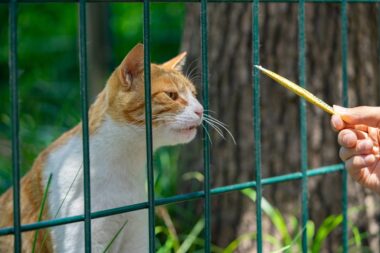
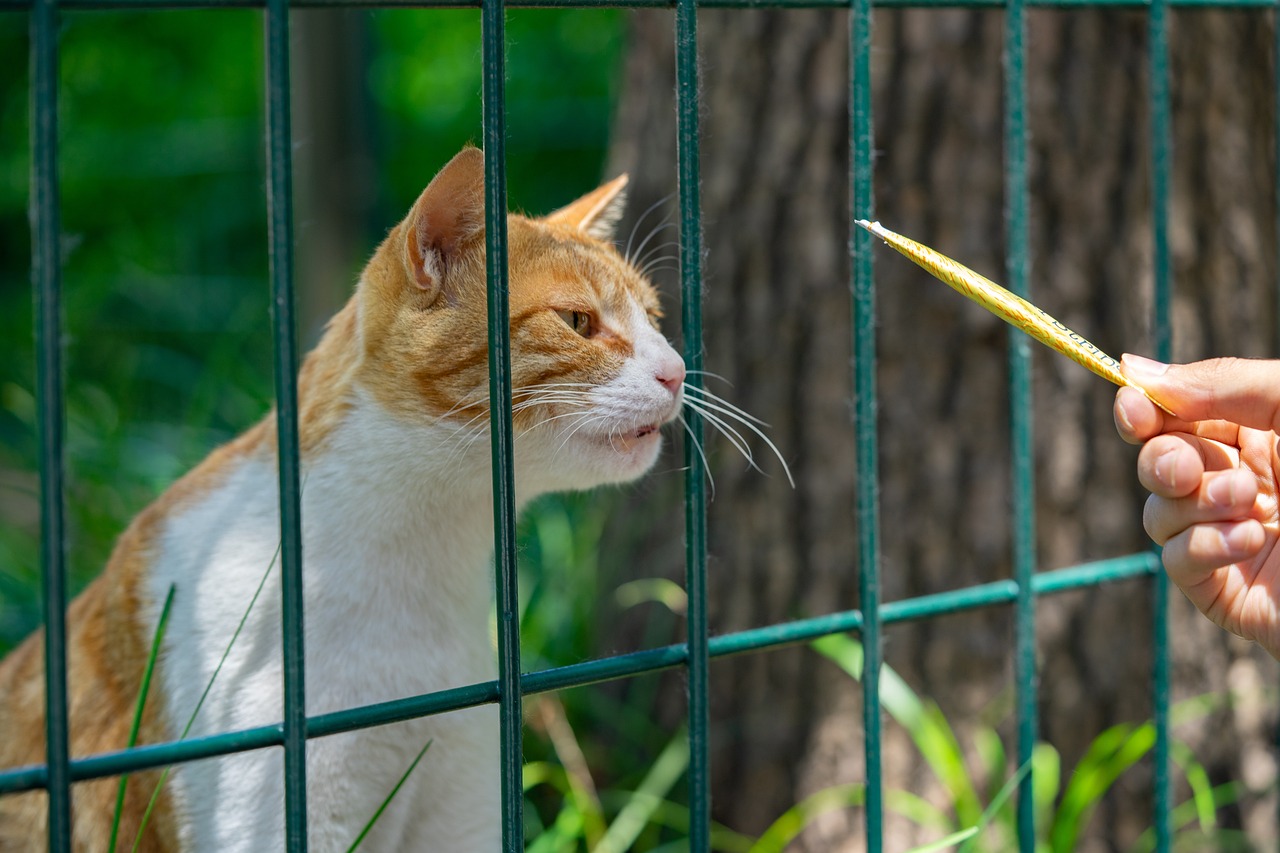
Treats play a crucial role in bridging the gap for finicky eaters. Using treats strategically can entice your cat to explore their food choices. This can also lead to a more open-minded approach toward meals. When introducing new food, mix it with their favorite treats to create a positive association. Gradually increasing the portion of the new food while decreasing treats can help them adapt while feeling rewarded. Experiment with different treats to see which motivate your cat the most, as preferences can vary widely. Ensure the treats you choose are healthy and specifically designed for cats. Always monitor the amount of treats provided, as too many can lead to unhealthy weight gain or dietary issues. Offer treats in moderation and only during training sessions or at mealtime. Make it a routine where you assign a command before giving a treat. This way, your cat learns to associate commands with positive experiences positively. Remember, the goal is to reduce fussiness, maintain a healthy diet, and strengthen the bond with your feline. With diligence and consistency, your cat will likely become more enthusiastic about their meals.
Incorporating playtime into your feeding routine can also stimulate appetite. Play serves as an excellent distraction and allows your cat to expend energy before meals. Engaging them in playful activities can create an enjoyable routine around food. After play, they may be more willing to eat their meals, as they will have built up an appetite. Use a wand toy or laser pointer to encourage movement and enthusiasm, making mealtime feel like the reward for their efforts. Try to keep this engagement short, intense, and enjoyable. This way, your kitty will eagerly look forward to the food that follows playtime. Additionally, using feeding commands during play can reinforce learned behaviors. This encourages your cat to respond positively to the idea of commands. Integrating a variety of commands during both play and feeding helps broaden their understanding and recognition of cues. Each component, including playtime, encourages them to engage with food positively. As the owner, persistence is essential; it may take time for your furry friend to fully adjust to this transition. Yet, the benefits will surely outweigh the effort required.
Monitoring Portion Sizes and Food Quality
Fussy eating can sometimes be influenced by the quality of food offered. Look for high-quality cat food made from natural ingredients and appropriate for your cat’s life stage. Consult your veterinarian to find what foods suit your feline best, particularly if dietary restrictions are necessary due to health conditions. Evaluate portion sizes; cats may refuse food if the amount seems excessive or overwhelming. Divide meals into smaller, more manageable portions to encourage your cat to finish their food quickly. Tiny servings can make their food appear less daunting, so they may more readily engage. Additionally, pay attention to food freshness. Cats can be sensitive to stale food, so ensure their meals are fresh and stored appropriately. Many owners are unaware that temperature impacts food palatability; serving food slightly warmed can enhance aroma and flavor, enticing your cat to eat. Ensuring a consistent and quality diet will support overall health and potentially reduce fussiness. Providing variety within their diet can stimulate their interest, helping them avoid burnout on identical meals. Monitoring all these factors will lead to healthier eating habits.
Establishing a reliable routine is vital for encouraging a positive relationship with food. Cats are creatures of habit, which means they often perform better when a predictable schedule is established. This includes setting specific feeding times, allowing them to anticipate meals. Using commands consistently at these times can reinforce expectations. For instance, use the command ‘dinner time’ whenever it’s time for a meal, enabling them to build an association between the phrase and their feeding schedule. It creates familiarity and reduces anxiety or confusion surrounding meal times. Gradually transitioning to a structure allows your cat to adapt more comfortably. Refrain from changing their food type abruptly, as sudden diet changes can cause stress. Instead, phase in new foods slowly to prevent digestive issues. If your cat does not respond to commands initially, be patient. Keep encouraging them with enthusiasm and positivity to learn the expected behavior over time. It’s essential not to scold or reprimand them for their past behavior. Instead, redirect and reward these behaviors with praise once they comply. Each interaction builds towards establishing a healthy relationship with food.
Consulting a Veterinarian for Professional Guidance
When addressing a cat’s fussy eating habits, professional guidance is sometimes necessary. Consulting a veterinarian can provide insights specific to your cat’s individual needs and health concerns. It’s essential to rule out any underlying medical issues that might be contributing to their picky behavior. Your veterinarian can evaluate your cat and make personalized nutritional recommendations based on actual assessments, including evaluating their weight, activity level, and history. In some cases, your veterinarian might suggest special diets that can appeal to your fussy eater. They can provide information about specific ingredients that may attract your cat or help you transition them effectively to new foods while minimizing fussiness. Remember that changing your pet’s food can impact their health; guidance from a professional ensures you’re making safe and healthy choices. Ultimate success with overcoming fussy eating habits may include reference to supplements or medications that can stimulate appetite. You don’t have to handle this issue alone; with the guidance of a veterinarian, your cat can develop enjoyable eating habits. Sustaining health while reducing fussiness should always be a collaborative effort between you and your pet care professional.
Adapting fussy eating strategies to your cat’s behavior can yield remarkable results. Monitor their preferences and adjust these strategies accordingly to keep them engaged with their food. Observing their responses can help you refine your approach in meeting their unique needs. A combination of commands, rewards, and a comfortable feeding setting will enhance their experience, resulting in a healthier appetite. Remember, every cat is different. Utilize the information and techniques mentioned to create a customized feeding routine. The incorporation of different textures, flavors, and temperatures can all contribute to making meals appealing. Introducing flavors your cat hasn’t tried yet might spark newfound interest. Reducing the stress associated with mealtime through commands and an established routine will foster trust and affection between you. Collaborating with your veterinarian ensures you’re providing balanced nutrition while minimizing the consequences of fussiness. As you gain insight into your cat’s eating patterns and preferences, you can adapt strategies progressively. Fostering this healthy relationship with food takes time, but it ultimately promotes a positive experience not just during feeding but throughout your cat’s life.