
Managing Cat Dental Abscesses: Clinical Case Reports and Techniques
Cats are often prone to dental issues, particularly dental abscesses, which can lead to severe pain and complications. Understanding their causes and effective treatments is essential for pet owners. Dental abscesses typically arise from dental disease, often caused by periodontal disease or an untreated dental procedure. It is crucial to recognize the signs of dental abscesses early. They include swelling, pain, and sometimes a foul odor emanating from the cat’s mouth. Regular dental check-ups can aid in early detection. Owners should look for symptoms such as difficulty eating, changes in behavior, and drooling. Identifying these symptoms early increases the chances of successful treatment. Dental abscesses result in infection, which can spread if left untreated, leading to more severe health issues. Therefore, urgent veterinary care is recommended upon notice of symptoms. Comprehensive treatment plans often involve surgical intervention, including draining the abscess and cleaning the affected area. Additionally, antibiotics may be prescribed to manage and eliminate infection. Following surgery, soft food diets are recommended for recovery, aiding in healing without causing further pain.
Understanding the Causes of Dental Abscesses in Cats
The predominant cause of dental abscesses in cats is periodontal disease. This disease occurs when bacteria infect the tissues supporting the teeth, leading to swelling and abscess formation. Other contributory factors include poor oral hygiene, lack of routine dental care, and traumatic dental injuries. Cats with compromised immune systems are particularly vulnerable to developing abscesses due to their bodies’ inability to fight infections. Regular dental cleanings are crucial; they help prevent tartar accumulation and the advancement of dental diseases. In many cases, an abscess will develop around a tooth root, especially if the tooth is already damaged. Providing your cat with dental-friendly toys can help reduce plaque buildup, assisting in maintaining oral health. Owners should be vigilant about monitoring their cats’ chewing habits to identify any changes in behavior indicative of discomfort. Consulting with a veterinarian for professional advice on dental care is vital. A personalized care plan, including tooth brushing, beneficial dental treats, or regular cleaning, can create a significant difference. Early intervention can alleviate pain and prevent further complications arising from untreated dental abscesses.
Case Study: Surgery for a Severe Dental Abscess
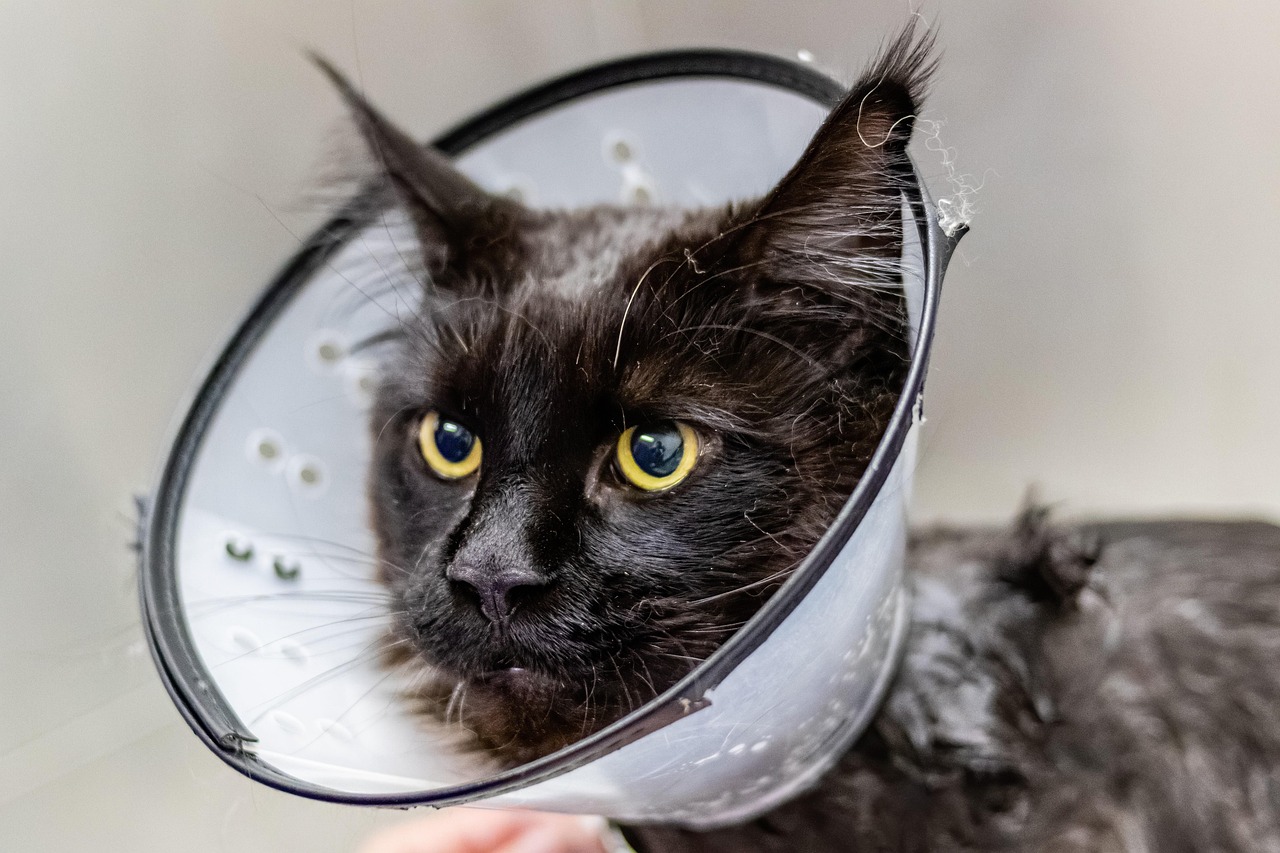
In a recent clinical case report, a three-year-old domestic shorthair cat presented with significant swelling around its lower jaw and reluctance to eat. After diagnostic imaging, a large dental abscess was discovered. The treatment plan included a surgical procedure to drain and clean the infected area. During surgery, the veterinarian assessed the tooth’s health and determined it needed extraction to prevent future complications. Post-surgical care involved administering antibiotics and pain management. The cat received a soft diet for two weeks to ensure easy eating during recovery. Follow-up appointments were necessary to monitor the healing process and ensure no developing issues arose. Positive outcomes in this case demonstrate the importance of prompt intervention, as the cat resumed normal eating habits and displayed a significant improvement in overall behavior. This case underscores that early identification and appropriate treatment can dramatically improve a cat’s wellbeing. Moreover, it highlights the necessity of educating cat owners on recognizing symptoms associated with dental abscesses. Regular dental examinations contribute not only to overall health but also to the quality of life in our feline companions.
Another notable case included a senior cat that had developed an abscess as a result of untreated dental disease. This cat had a history of dental issues and had previously avoided professional cleaning due to its advanced age. The owners decided to seek help once the cat stopped eating and began displaying signs of distress. Diagnosis involved oral examinations and imaging, which confirmed multiple abscesses present around the roots of its teeth. The treatment option recommended was a comprehensive dental extraction under sedation to eliminate pain sources. Following surgery, the cat’s recovery was straightforward; however, the cat had to adapt to a diet comprised solely of wet food. Regular follow-ups ensured that the all-around health, including infection control and monitoring, remained optimal. The case illustrates that age should not deter owners from seeking necessary dental interventions. Additionally, it emphasizes that with proper medical attention and alternatives in diet, older cats can lead pain-free, fulfilling lives. Dietary adjustments can be a challenge, yet they are key in ensuring a smooth recovery, helping elder cats continue enjoying their life.
Prevention and Home Care Solutions
Dental care should encompass not only professional veterinary cleaning but also preventative measures at home. Increasing awareness about the importance of dental hygiene for cats can work wonders. Owners can utilize various products designed specifically for feline dental health. These include dental chews, formulated diets, and special toothpastes created for pets. Regular brushing is ideal, though it usually requires the owner to gradually acclimate their cat to the process to avoid stressing them. Investing in veterinary-approved dental treats can also significantly decrease plaque and tartar significantly. Besides that, routine vet appointments should ensure examinations, particularly focusing on oral health. Additionally, professional cleanings might be necessary every six to twelve months. Identifying habits or behaviors that could be hindering dental hygiene is also beneficial. Vets can provide individualized plans based on the cat’s unique needs or conditions. Encouraging regular gum massage or toy chewing can also help improve dental health, promoting better oral hygiene. Overall, understanding that proactive care may prevent severe dental complications will lead to a happier and healthier cat.
Long-Term Outcomes and Management of Dental Health
Long-term management of a cat’s dental health is essential for ensuring their continued wellbeing. Owners must observe their cats diligently for any signs of discomfort, as dental issues can arise unexpectedly. Regular veterinary check-ups play a pivotal role in maintaining dental health, allowing for early detection and management of potential problems. Each follow-up should include a thorough dental check-up focusing on assessing gum health and addressing plaque accumulation. Crucially, pet owners should maintain a record of any changes in their cat’s behavior or eating habits, as these can provide essential insights to veterinarians. Moreover, building a strong relationship with a vet ensures that owners feel comfortable discussing their concerns openly. Home care, including daily brushing and dental-friendly diets, can significantly enhance the outcomes of any surgical intervention. Owners should keep communication lines open with their veterinary clinic for advice on products or techniques that are most effective. Utilizing consistent follow-up can yield information about how the abscesses have affected the cat’s overall health and whether further interventions might be necessary.
In summary, proper dental care in cats, particularly concerning managing dental abscesses, is vital for their overall health and happiness. Pet owners must understand the causes, signs, and treatment options available for dental problems. Case reports highlight the importance of timely intervention and proactive management to prevent abscess development. Through a combination of professional dental care and at-home practices, the lasting impact on their pets’ quality of life cannot be overstated. Ensuring that cats receive regular dental check-ups, seeking help upon noticing troubling symptoms, and maintaining a healthy oral environment through effective home care can lead to successful outcomes. There is also a strong emphasis on education; knowledgeable owners are more likely to act quickly when issues arise, significantly improving recovery chances. Long-term dedication to maintaining dental hygiene will also mitigate future complications. By fostering a deeper understanding and awareness among pet owners, we can significantly reduce the incidence of dental abscesses in cats, ultimately ensuring that our feline friends lead healthy, fulfilling lives.
Conclusion and Recap
To conclude, optimal management of cat dental abscesses involves comprehensive care, from prevention strategies to effective treatments. Pet owners must prioritize oral hygiene through regular examinations, preventive care, and timely responses to symptoms. The information from case studies serves as useful insight into treatment methods and outcomes, emphasizing the necessity of being proactive in dental care. Continuing to educate cat owners plays a crucial role in decreasing the commonality of these dental issues and facilitating a healthier lifestyle for our pets. By working alongside veterinary professionals and applying recommended guidelines, owners can help their feline companions avoid painful conditions and enhance their quality of life. Ensuring cats receive prescribed care plans and adjustments in diet will help them recover faster from surgeries. Each of these steps significantly contributes to their overall wellbeing, creating a positive loop that encourages both the cat and owner. Therefore, consistent care must not only focus on addressing issues as they arise but fostering a continuous, healthy dental environment. Ultimately, a long-term commitment to dental health will promote happiness, longevity, and enhanced health for our cats.