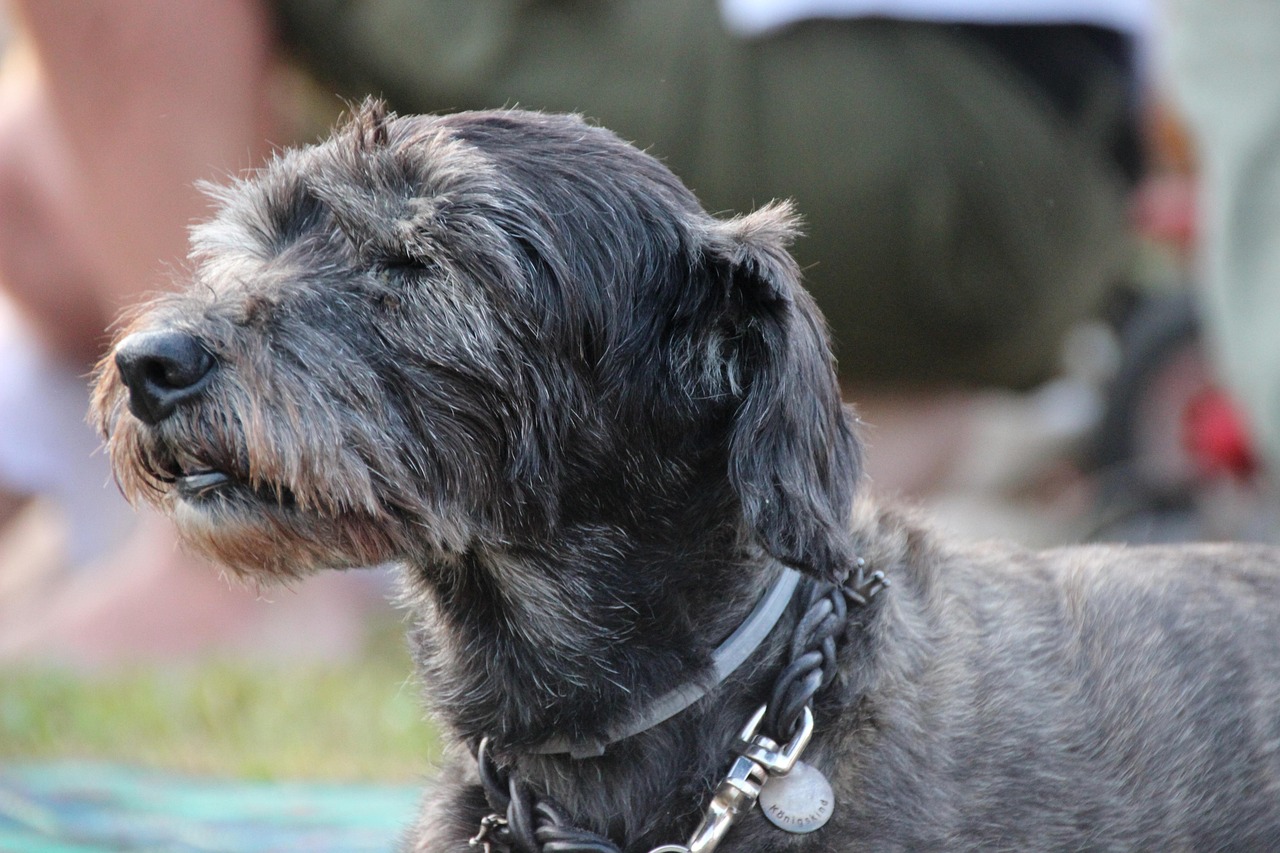

Recognizing and Training Around Cognitive Dysfunction in Senior Dogs
Cognitive dysfunction syndrome (CDS) is prevalent in senior dogs, much like dementia in humans. It can manifest in various behaviors that concern owners, leading to confusion and stress for pet and owner alike. Symptoms may include disorientation, changes in sleeping patterns, or forgetting learned commands. Recognizing CDS early is crucial, as it allows pet owners to adapt training practices to minimize confusion for their furry companions. Engaging in positive reinforcement is vital for effective training. By focusing on the pet’s strengths—what they’re already good at—owners can foster a sense of achievement and confidence. Gradually introducing new commands, using short sessions to maintain focus and engagement, is another critical aspect. Patience is essential, as it may take longer for senior dogs to process and respond to new information. Owners should also maintain a routine, which offers familiarity and can ease anxiety. This structured approach helps dogs thrive in their twilight years. Understanding and compassion from owners can significantly aid in coping with unique changes that arise as cognitive abilities decline.
Common Signs of Cognitive Dysfunction
Recognizing the common signs of cognitive dysfunction in senior dogs is key to providing appropriate support. Dogs may appear disoriented, often lost in familiar environments or staring blankly for extended periods. These behaviors indicate a mental shift affecting their ability to process surroundings. Additionally, a significant change in sleeping patterns can also indicate cognitive decline; dogs may become restless at night or sleep more during the day. Forgotten previously learned commands or abandonment of regular tasks—like going outside to relieve themselves—are other indicators of cognitive dysfunction. Owners might also notice an increase in vocalizations, as senior dogs attempt to express their confusion. Behavioral changes can be stressful not just for the dog, but also for the owner. Creating a supportive environment can make all the difference in managing these issues. Owners should consider maintaining consistency in daily activities and routines as much as possible to provide reassurance and comfort, helping dogs adapt to their new realities while staying calm is beneficial. Consulting a veterinarian familiar with canine cognitive dysfunction can also offer invaluable insights and treatment options.
Training strategies for dogs with cognitive dysfunction need to be tailored specifically for each dog’s unique experiences and abilities. Positive reinforcement techniques, such as treats and praise, help reinforce good behavior during training sessions. For instance, using older dog-friendly treats or toys that the dog loves can enhance motivation. It’s advisable to keep sessions brief and focused, ideally lasting no longer than five to ten minutes. Dogs with cognitive dysfunction can become easily overwhelmed by lengthy sessions. Employing repetition can reinforce commands and skills; while this may require more training time, the effectiveness tends to improve. Implementing a consistent reward system can help dogs associate specific behaviors with positive outcomes. Choosing familiar phrases and simple commands will make the learning process less daunting. If the dog shows difficulty comprehending new commands, it may be beneficial to revisit previously learned commands they still respond to, ensuring a positive experience. The goals of training should be to maintain a quality of life and reinforce the bond between dog and owner. Patience and understanding on the owner’s part can create a loving atmosphere where the dog feels safe to express itself.
The Role of Environment in Training
The environment plays an incredibly significant role while training senior dogs facing cognitive dysfunction. Adjusting the surroundings can lead to reduced confusion and enhanced focus during training sessions. A quiet space free from distractions, such as loud noises or other pets, can help the dog concentrate better. Using familiar environments aids in the presence of positivity; for example, training in the dog’s favorite room can encourage participation and decrease anxiety. Moreover, providing a safe space, like a cozy bed, allows dogs to retreat when training feels overwhelming. A visually uncluttered space enables dogs to navigate more easily. Using obstacles or markers during training can clarify the commands given. Strategies such as using mats or boundary markers can guide dogs gently without frustration. Involving the family members in training sessions can also create a supportive atmosphere, making it less intimidating for senior dogs. Establishing such communal environments can foster patience as everyone is aligned in gentle practices. The result is often a sense of unity and connection among family members and the dog, paving the way for a more understanding relationship.
Providing stimulation for senior dogs with cognitive dysfunction can significantly enhance their quality of life. Engaging mental exercises through puzzles, scent work, or interactive toys can keep their minds active. Additionally, involving the dog in light physical activities ensures both mental and physical stimulation while fostering bonding moments. Simple actions like short walks combined with changing routes or allowing the dog to explore different environments can also promote engagement. Social interaction with other dogs or humans facilitates beneficial experiences that alleviate stress. This includes allowing them to sniff around during walks, as scents can enhance cognitive functioning. Introducing new, simple games helps maintain an active mind. Games like hide and seek can provide excellent mental reinforcement. While physical activity is important, be mindful of the senior dog’s limitations and ensure activities are suitable for their energy levels. Regular veterinary check-ups can help adapt activity levels as needed. It’s crucial to monitor behavioral responses and adjust stimulation accordingly, creating a supportive environment that nurtures cognitive wellness. This careful balance between engagement and rest ultimately contributes to the dog’s overall happiness.
Consulting Professionals for More Guidance
Consulting professionals is incredibly useful for owners dealing with cognitive dysfunction in senior dogs. Veterinarians or certified dog trainers with expertise in canine behavior can offer tailored strategies. They can guide on behavioral changes and adapt training techniques suited for individual dogs. Moreover, professionals can recommend specific diets and supplements that may positively affect a dog’s cognitive abilities. Nutritional support can play an essential role in slowing down the progression of cognitive dysfunction. Providing a balanced, brain-healthy diet can help maintain cognitive function as dogs age. Additional therapies, such as acupuncture or physiotherapy, could also be beneficial in some cases. Engaging with support groups or forums dedicated to senior canine care can enhance the owner’s knowledge, connecting them with other experienced caregivers. Sharing personal experiences can provide comfort and strategies to improve the relationship with the dog. Furthermore, educational resources—books or online courses focused on elderly canine care—offer valuable insights. Collaborating with professionals and incorporating their advice ensures a comprehensive approach, allowing owners to provide their senior dogs with adequate care and understanding.
Lastly, nurturing the bond between owner and senior dog facing cognitive dysfunction can significantly alleviate stress for both parties. Practices that incorporate love and compassion, such as ensuring regular cuddle times or gentle petting sessions, enhance emotional ties. Understanding the dog’s changing needs is critical; this may involve modifications in daily routines, timelines for feeding, or walks according to the dog’s energy levels. Celebrating small successes during training and appreciating the dog’s achievements creates a positive atmosphere, reinforcing their self-esteem. Creating a scrapbook or journal documenting moments together can also be a wonderful way to honor the relationship shared. This encourages reflection and mindfulness during interactions, fostering gratitude amidst the challenges faced during the aging process. Building resilience within the caregiving relationship transforms the experience into a shared journey rather than a struggle. A network of support, mutual respect, and love ultimately leads to an enriched life for senior dogs. Establishing this nurturing bond ensures that senior dogs enjoy their twilight years happily with the love and support they deserve.
The importance of recognizing signs of cognitive dysfunction in senior dogs cannot be overstated. It prompts owners to adapt training methods thoughtfully. Understanding their limitations helps foster positive experiences that improve the pets’ quality of life. With proper guidance, patience, and care, senior dogs can continue to thrive alongside their owners.