
Success Stories: Dogs Transformed by Clicker Training
Clicker training has revolutionized the way dog owners approach obedience and behavior modification. By using a small handheld device that produces a distinct sound, training becomes more effective. This method allows for immediate feedback, which is key in reinforcing positive behaviors. For instance, many dog owners have reported incredible transformations in their pets’ behavior after just a few weeks of clicker training. Puppies, once unruly and hyperactive, can learn basic commands like ‘sit’ and ‘stay’ promptly. Adults dogs, even those with ingrained bad habits, can shed their negative behaviors with consistent training. This method not only establishes a strong bond between the dog and owner but also increases the dog’s confidence. Many owners notice their pets become eager to learn and participate in training sessions, which makes the experience enjoyable for both parties. By focusing on positive reinforcement, clicker training highlights what the dog does right rather than punishing unwanted behavior. Transformations range from improved recall to reduced barking, making clicker training a versatile and powerful tool in any dog trainer’s arsenal.
Case Study: Bella’s Journey
Bella, a lively golden retriever, was notorious for her excessive jumping on guests. This behavior proved to be an issue for her owner, Sarah, who wanted to create a calmer home environment. Through clicker training, Sarah learned to redirect Bella’s energy positively. Initially, Sarah used the clicker to reward Bella for maintaining all four paws on the ground when meeting someone. Every time Bella kept her feet down, she received a click followed by a treat. Gradually, the excitement associated with jumping faded, replaced by a calmer greeting process. Sarah noted that Bella’s enthusiastic spirit was not stifled; instead, it was funneled into appropriate behaviors. Bella’s success reinforced the idea that clicker training encourages dogs to engage with their owners actively. With consistency, Bella excelled beyond just greeting behavior, mastering tricks like “roll over” and “play dead.” This progress showcased that clicker training not only resolved an unwanted behavior but also enriched their relationship. Sarah now shares her story, encouraging other pet owners to consider clicker training as a viable solution for behavior issues.
Another success story revolves around the rescue dog Max. When he first arrived at his forever home, he was frightened and aggressive towards strangers. His new owner, Tom, recognized that using traditional training methods wouldn’t be effective given Max’s background. Tom decided to try clicker training, believing it could alleviate Max’s anxiety while promoting positive interactions. Starting with desensitization, Tom clicked every time Max noticed a person without displaying aggression. Gradually, Tom introduced more challenging situations. Each time Max displayed calm behavior, he was rewarded. Over several months, this approach transformed Max from a fearful dog into a well-adjusted companion. He learned essential commands and became comfortable around new people, demonstrating that patience and positive reinforcement work wonders. The use of the clicker built trust and communication between Tom and Max, culminating in a significant decrease in his anxiety levels. Now, Max happily greets guests, showcasing his unique personality. The bond developed through this training method illustrates the profound impacts of clicker training for dogs with challenging backgrounds, making it a profound success story worth sharing.
From Shelter to Companion: Cody’s Transformation
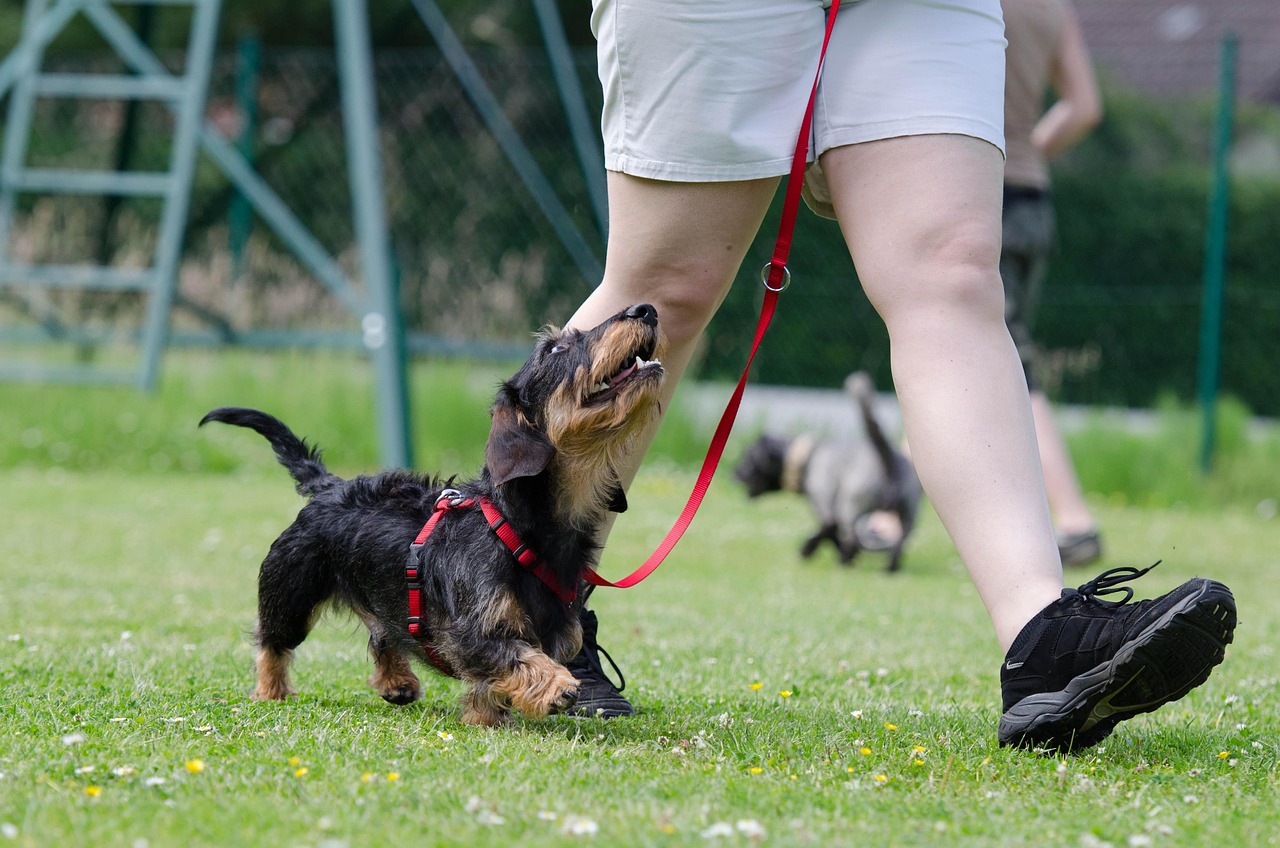
Cody, a scruffy terrier mix adopted from a local shelter, had a rough past. He often displayed fearful behaviors, hesitating to engage with both humans and other dogs. His new owner, Rachel, sought help from a dog trainer who specialized in clicker training. Understanding the importance of positive reinforcement, they set out to build Cody’s confidence. Training began in a quiet environment, focusing on basic commands. Each successful interaction was rewarded with a click and treats, creating a positive association with training. Rachel also introduced socialization slowly, allowing Cody to meet other dogs in controlled settings, always using the clicker to reinforce calm behavior. Bit by bit, Cody’s personality began to shine as he grew more at ease in social situations. By committing to this training method, Rachel witnessed remarkable progress in Cody, including his newfound enthusiasm for playing fetch and his eagerness to greet friends. The combination of the clicker and patience helped Cody transform from a fearful shelter dog into a loving, confident companion to Rachel, demonstrating how effective this training method can be.
The journey of transforming dogs through clicker training doesn’t end with individual cases; it expands to communities. Many local pet training classes emphasize clicker techniques to enhance dogs’ learning experiences and foster positive behaviors. As groups of pet owners come together, they share success stories and tips to keep each other motivated. The community environment encourages collaboration, making training sessions an essential routine for dog owners. Group clicker workshops and classes have become popular as they reinforce the idea that learning together is not only effective but also enjoyable. In such classes, dog owners often celebrate each other’s dog’s milestones, creating a supportive atmosphere that strengthens the bond between dogs and their owners. The camaraderie extends beyond training, as friendships form among the owners, showcasing another layer of clicker training’s benefits. Families can participate together, teaching children how to engage with their pets positively through the process. It’s common to see dogs developing social skills with peers, as well as owners learning various techniques to tackle challenges they face. This collective knowledge-sharing adds depth, enhancing not only the educational experience but solidifying the community’s love for their pets.
Embracing Challenges
While many dogs thrive under clicker training, certain challenges arise that require creativity and adaptability from owners. Some dogs may become too excited, making it hard to focus during training sessions. In such cases, owners might need to introduce calming techniques before the training starts, such as gentle walks or sniffing games. Owners can choose short training sessions infused with high-value rewards to harness their dogs’ focus. Others may struggle with their dogs’ poor attention spans, especially younger puppies. Frequent breaks between exercises can help maintain interest. Additionally, varying the environment can provide an engaging learning atmosphere by introducing new sights and smells. Despite these challenges, many owners find clicker training beneficial in managing their dogs’ behavior. Documenting progress and finding solutions for bumps along the way fosters a sense of achievement for both the dog and owner. Clicker training inspires confidence in pet ownership, as overcoming hurdles showcases the power of positive reinforcement. Each success, whether big or small, propels the bond between dogs and their humans, emphasizing resilience throughout the training process.
Clicker training does not just transform dogs; it empowers their owners too. As many success stories reveal, the journey fosters growth for both parties. Owners become more involved and educated, learning to communicate effectively with their pets. The clicker serves not just as a tool for training, but as a bridge for building trust and understanding the dog’s needs. Training sessions become opportunities for play, bonding, and learning, reducing stress for everyone involved. The impacts go beyond commands and tricks; they lay the groundwork for a long-lasting relationship built on mutual respect. Pet owners report significantly lower stress levels upon witnessing their dogs’ progress, making the entire process gratifying. This reduces the chances of miscommunication and behavioral issues in the long run. As families engage in training sessions, they embrace the opportunity to grow together. Dogs become more balanced and well-adjusted, contributing positively to their households. Ultimately, adopting the clicker training methodology can reshape lives, resulting in happier dogs and more harmonious living environments where learning is consistent and joyful.
Clicker Training Statistics
Over time, numerous studies have emphasized benefits associated with clicker training. Statistics show that dogs trained with the clicker generally exhibit better behavioral outcomes, demonstrating a deeper understanding of commands. Research indicates that clicker-trained dogs have higher retention rates for learned behaviors, showcasing the long-term effectiveness of this method. Environmental enrichment is crucial; dogs maintained in positive, engaging learning conditions are more likely to thrive and respond positively. Surveys from dog trainers highlight that clicker training leads to increased engagement during training sessions, creating a joyful environment that promotes successful outcomes. Owners report enjoying the process as they see their dogs’ transformations, which are grounded in mutual learning experiences. The clicker’s effectiveness reaches across various dog breeds and temperaments, proving to be an adaptive training tool. Furthermore, trainers observed that dogs trained this way show improved responsiveness to commands, displaying an eagerness to participate. This creates a cycle that enhances the owner and dog relationship through shared successes. Embracing clicker training not only fosters more harmonious interactions but ultimately leads to brighter futures for dogs and their families, proving its worth as a training technique.