
The Effect of Human Presence on Dog Pack Dynamics
Understanding dog psychology, particularly pack dynamics, is essential for dog owners and trainers alike. Dogs, being social animals, thrive within a structured hierarchy which mirrors a pack’s behavior in the wild. This dynamic shifts drastically with the presence of humans, influencing how dogs interact with one another. Human involvement can often alter a dog’s intrinsic behaviors, both positively and negatively. When humans enter a dog pack scenario, their mannerisms, tone, and even physical presence create a new social structure. Dogs may perceive humans as leaders, followers, or neutral entities, leading to unique responses. It’s crucial to recognize that while dogs may adjust their behaviors based on their human’s actions, the dog’s inherent instincts remain intact. Pack behavior teaches dogs how to coexist harmoniously, understanding social cues and establishing bonds. Furthermore, dogs often turn to humans for guidance in navigating these relationships. A well-rounded understanding of theory can greatly enhance training methodologies and interactions. Thus, delving into human effects on dog pack dynamics sheds light on their social constructs and behavioral modifications.
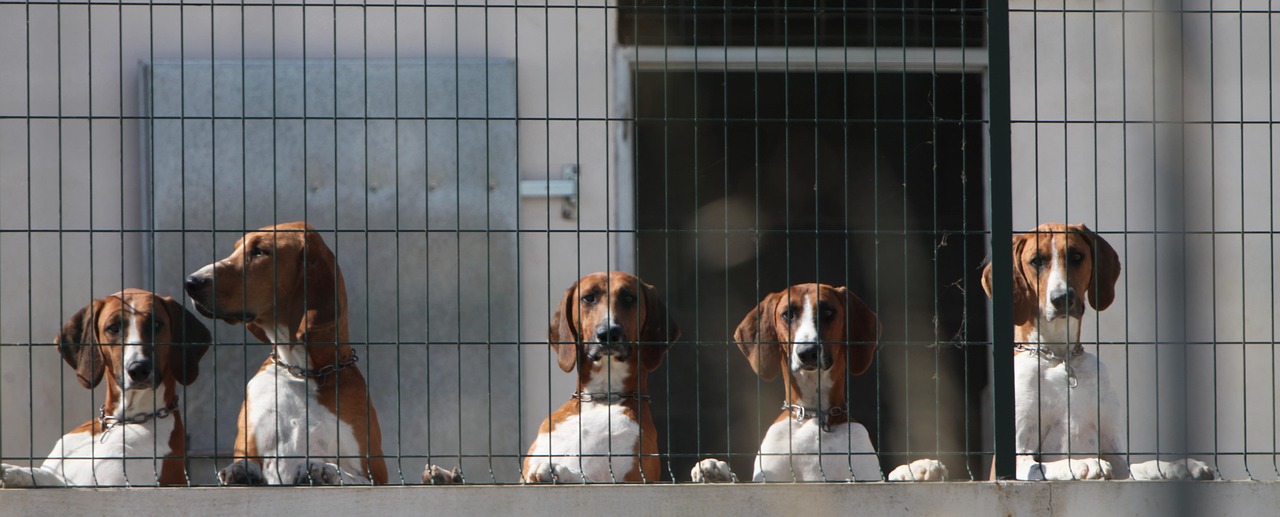
Pack dynamics in dogs play a significant role in their overall social interaction. When observing a group of dogs, it becomes apparent how they utilize communication to establish their social order. This involves a complex system of vocalizations, body language, and behavioral cues. As dogs engage with each other, they enact rituals of dominance and submission that are essential for creating a balanced pack environment. However, this natural order can be disrupted by the presence of humans. Dogs may seek reassurance or guidance from their owners, potentially causing tension within the pack dynamics. This can result in behaviors such as resource guarding, elevated stress levels, or even aggression. In contrast, a strong, confident human handler can help maintain harmony by setting clear boundaries. In such cases, the human acts as a mediator, reinforcing a peaceful coexistence among dogs. Moreover, it is essential for dog owners to educate themselves about these interactions. Knowledge about how to foster positive relationships within a pack will lead to more fulfilling experiences for both dogs and humans. Therefore, studying canine behavior within packs holds substantial value in the realm of pet ownership.
The Impact of Training Techniques on Pack Dynamics
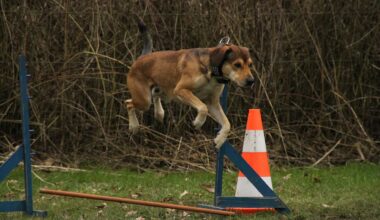
Training techniques significantly influence how dogs perceive their roles within a pack. The methods employed by dog trainers or owners can dictate the overall atmosphere amongst canines, as well as their hierarchical positions. Positive reinforcement techniques tend to foster cooperation and unity among dogs. In this framework, dogs learn to associate rewards with desirable behaviors, which can enhance social bonds. Conversely, using punitive measures, such as aversive training methods, can create fear and anxiety within the pack. This fear can lead to a breakdown of trust, resulting in aggressive or submissive behaviors as dogs navigate their interactions. Moreover, the consistency of training commands and reinforcement strategies also impacts pack dynamics. When commands and cues are inconsistent, dogs may feel confused about their roles. They look towards their human counterparts for clarity, further emphasizing that human presence adjusts their behavior. Consequently, the relationship between dog behaviors and training practices is profound. Understanding this relationship allows trainers to adjust methods appropriately, ensuring a healthy environment that lends itself to optimal social dynamics among dogs.
Canine communication is a fascinating aspect of pack dynamics that often goes overlooked. Dogs utilize a variety of non-verbal cues to express emotions and intentions. These can include the position of ears, tail movements, and overall body posture. When humans enter the picture, their communicative styles can unintentionally affect how dogs convey their feelings. For instance, a human’s anxious demeanor may elicit nervousness among dogs, prompting them to respond with submission or frustration. Conversely, relaxed body language and calm vocal tones from humans can encourage dogs to adopt more confident and playful behaviors. Observing how dogs interact with both humans and each other provides valuable insights into their emotional states. It’s not uncommon to witness changes in a dog’s behavior when humans are around; pack cohesiveness can fluctuate depending on the presence and actions of their human companions. Understanding this communication helps owners interpret their dogs’ behaviors more accurately. Therefore, fostering open lines of communication, both among dogs and between dogs and humans, is vital for harmonious coexistence. This interaction highlights the importance of promoting well-balanced dog social dynamics.
Human Influence on Hierarchical Structures in Dogs
The hierarchy within a dog pack is typically established based on various factors, including size, age, strength, and temperament. When humans partake in a dog’s social sphere, they often unwittingly shift this hierarchy. Dogs may view humans as either dominant leaders or subordinates, which can dramatically influence their interactions with one another. For instance, if a dog perceives its human as weaker, it may attempt to assert dominance over other dogs, leading to potential conflicts. Alternatively, a confident human who establishes authority can create a stable environment where dogs recognize their roles and boundaries. In this scenario, the human effectively reinforces the pack’s social order by leading through example. Understanding these dynamics can significantly aid dog owners in managing behavior problems that arise from misunderstanding hierarchy. Research shows that dogs trained under clear leadership structures exhibit fewer behavioral issues and respond better to commands. Optimal pack dynamics involve the human acting as a leader who instills confidence rather than fear, allowing for healthy interactions within the pack. Thus, examining the influence of humans on these hierarchies remains crucial.
The presence of humans not only affects social interactions among dogs but also their overall well-being. Researchers have documented how some dogs exhibit more anxiety or stress in environments where human influence is pronounced, predominantly those void of confidence or structure. In these instances, dogs may struggle with anxiety, leading to behavioral changes such as barking, excessive licking, or destructive tendencies. Conversely, a nurturing and assertive human presence can mitigate these stressors. Dogs tend to thrive in environments where they feel safe, secure, and directed. By providing consistent routines and establishing trust, humans can significantly enhance a dog’s emotional health. Additionally, socialization plays a fundamental role in helping dogs feel more relaxed in varying contexts, including those with other dogs. Positive interactions with humans can foster better adjustment to social cues displayed by other dogs, promoting overall harmony. Moreover, awareness of how dogs perceive emotional states allows owners to foster a positive environment. This understanding encourages relationships that benefit each party involved. Ultimately, the impact humans have on dog well-being is profound and warrants attention in dog training and socialization practices.
Conclusion: Building Positive Pack Dynamics with Human Interaction
In conclusion, the effects of human presence on dog pack dynamics are multifaceted and significant. Acknowledging how training, communication, and hierarchy play a role can empower dog owners. By actively participating in establishing a positive environment, humans have the ability to cultivate healthy interactions among canines. Successful pack dynamics hinge upon the understanding that dogs, as social creatures, require both leadership and reassurance from their human counterparts. Coordinated efforts in training methodologies, consistent communication, and appropriate social interactions can create an environment where dogs thrive both individually and collectively. As this dynamic evolves, it’s vital for dog owners to remain observant and adaptable. Tailoring approaches to suit specific pack needs and responding to individual dog behaviors is crucial in fostering a harmonious environment. Ultimately, the relationship between humans and dogs is reciprocal; while dogs influence pack dynamics, humans also have the power to guide these interactions positively. Thus, enhancing our understanding of dog psychology and pack dynamics benefits both dogs and their human companions.