
The Importance of Hydration and Supplements for Fluffy Fur
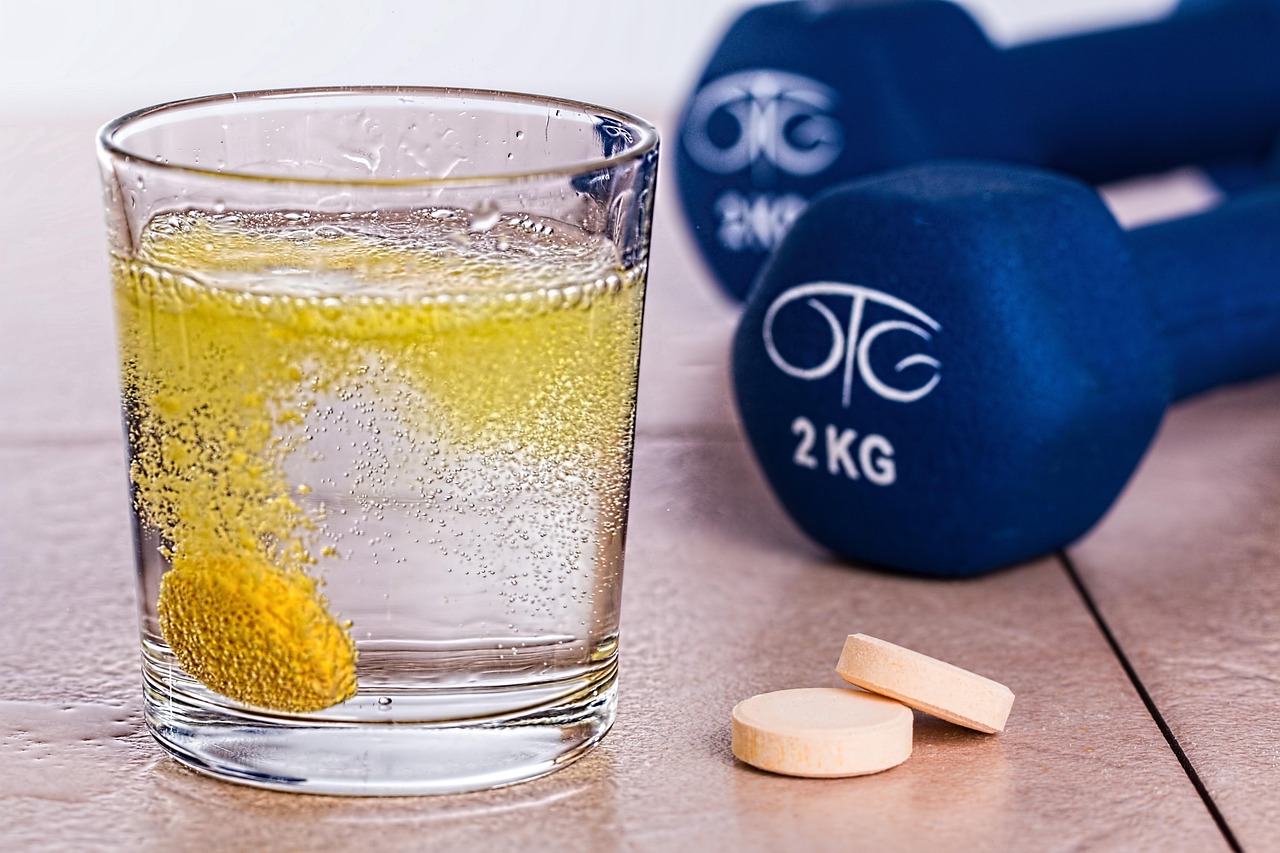
Proper dog nutrition plays a crucial role in maintaining your pet’s overall health, particularly in terms of coat quality. Hydration is vital for your dog just as it is for humans. Water keeps the skin moist and improves the appearance of your dog’s fur. When your dog isn’t properly hydrated, their fur can become dry and brittle. This may lead to shedding and skin disorders, which can be distressing for both you and your furry friend. To ensure your dog’s hydration, provide fresh water daily and consider adding wet food to their diet. Additionally, incorporating supplements can work wonders. Supplements like omega-3 fatty acids and vitamins can enhance coat health, making it shinier and fluffier. When selecting supplements, it’s essential to consult with your vet. They can recommend appropriate products tailored to your dog’s specific needs. Look for high-quality, natural supplements that promise to enrich your dog’s coat. Moreover, maintaining a regular grooming schedule can help stimulate skin health and blood circulation. Together, these practices enhance the vitality of your dog’s skin and coat, leading to a happier and healthier pet.
In addition to being essential for hydration and proper supplementation, diet plays a significant role in your dog’s coat health. A well-balanced diet ensures your dog receives all necessary nutrients, which directly affects their skin and fur quality. Look for dog foods rich in essential fatty acids, which are found in fish oils and flaxseed. These nutrients work not only to moisturize the skin but also to reduce inflammation associated with dry skin. When selecting food brands, it’s vital to read the ingredient list; whole meats and high-quality proteins should be at the top. Moreover, consider additives like probiotics, which can support gut health, translating to better fur conditions. Nutrient-dense foods can stimulate hair growth as well. You could also experiment with natural supplements to support a healthy coat. Always keep an eye on your dog’s weight and adjust portion sizes accordingly, as overfeeding can lead to obesity, impacting overall health, including the fur. Maintaining a healthy weight supports better circulation and nutrient absorption. Finally, consistency in diet ensures long-term benefits, giving you a happy, healthy dog with a luxurious coat.
Another important aspect to consider when improving your dog’s coat health is the environment. Environmental factors significantly influence fur quality; dry air, allergens, and pollution can impact the condition of your dog’s skin and coat. If you live in a dry climate, consider using a humidifier to inject moisture into the air during those dry months. It’s also essential to regularly clean your dog’s living area to minimize allergens, which can cause itchiness and irritation leading to fur loss. Additionally, seasonal changes can play a role; dogs may require more care during shedding seasons. Regular brushing not only removes loose fur and debris but also helps to distribute natural oils evenly across their coat. This process keeps the fur clean and shiny, preventing mats. Coordinate bath time with your vet’s recommendations; bathing too often can strip oils essential for fur health. Using a moisturizing dog shampoo is advisable, especially for breeds prone to dry skin. Supporting your dog’s coat through a clean and comfortable environment is another critical step in ensuring they maintain a beautiful and healthy coat throughout their lives.
The Role of Supplements in Dog Nutrition
When it comes to supplements, you should focus on highly beneficial choices that support coat health. Omega-3 and omega-6 fatty acids are essential not only for skin but also for overall joint health. These fatty acids can reduce inflammation and support a healthy coat by promoting moisture retention in the skin. Biotin, a B vitamin, is another excellent choice; it contributes to stronger and shinier fur. When considering supplementation, the sourcing and quality of the product matter immensely. Opt for products that utilize human-grade ingredients to ensure your dog’s safety and nutritional benefit. Always consult your veterinarian before beginning any supplementation regimen. They can provide advice on dosage as well as the timing of administration. For some dogs, a combination of supplements might be necessary; for instance, adding vitamins A, E, and Zinc can also help. Finally, keep a close eye on how your dog responds to any supplements you introduce; changes in fur quality may take time but can be quite visible with dedicated supplementation efforts. Proper supplementation can complement a quality diet for well-rounded support of your dog’s fur quality.
Keeping a watchful eye on changes in your dog’s coat condition is essential for their well-being. Many pet owners underestimate the importance of regular inspections. When petting your dog, check for rough patches, excessive shedding, or irritation. If you notice any problems, it is crucial to address them swiftly as they often indicate underlying issues. Nutrition may play a role in these changes, requiring immediate consultation with your veterinarian. Sometimes, coat problems may arise from allergies; both food and environmental factors can affect skin condition dramatically. Furthermore, behavioral aspects like excessive scratching and licking can also point to skin issues. In these cases, providing comfort is paramount while seeking out solutions. These can come in the form of specialized diets, hypoallergenic products, or tailored supplements. Learning to recognize changes can not only benefit your dog’s appearance but can also help detect health concerns early. A vigilant approach will subsequently lead to the identification of underlying issues, ensuring your dog remains happy and healthy, thereby supporting their overall coat health through informed decision-making.
Regular Grooming for Optimal Coat Health
Along with proper hydration and supplementation, grooming is an essential part of ensuring your dog’s fur remains fluffy and healthy. Regular brushing fosters better skin circulation and stimulates natural oil production. This routine minimizes tangles, while also reducing shedding and matting. Select brushes based on your dog’s coat type; for instance, slicker brushes work well for long-haired breeds, while deshedding tools are perfect for short-haired dogs. Bathing should be performed judiciously. Over-bathing will strip natural oils, causing dry skin issues. Use a soothing oatmeal or hypoallergenic shampoo designed for dogs to maintain skin health. Additionally, trimming can take care of split ends and keep fur even. Ask your groomer or veterinarian how often to groom, as this will vary depending on breed and fur length. Regular grooming sessions can become a bonding time, enhancing trust and happiness between you and your dog. Furthermore, consistent handling will allow you to spot any skin abnormalities early on. By incorporating grooming, hydration, and quality nutrition, you ensure a comprehensive approach to coat care, resulting in a stunning fur coat ready for any adventure.
In conclusion, proper hydration combined with adequate nutrition and suitable supplements creates the foundation for a healthy coat. It is a combination of elements that factors in hydration, diet quality, and supplement choice that can lead to a stunning and healthy coat. Always prioritize fresh water and a well-rounded diet, incorporating supplements if necessary to complement your dog’s needs. Diet choices should reflect your dog’s physical condition and coat type, as different breeds may require distinct approaches. Environmental factors shouldn’t be overlooked, either; maintaining a comfortable living space promotes skin health. Regular monitoring of coat changes and timely responses to issues are crucial, as they usher in improved diagnosis, treatment, and overall well-being. Regular grooming should supplement your efforts and foster a lasting bond between you and your furry companion. Each of these components comes together to influence the quality of your dog’s coat. Ultimately, your dog’s coat is a reflection of their overall health, while also contributing significantly to their happiness and joy in life. Make these practices part of your routine for the well-being of your beloved companion.
By creating a consistent maintenance strategy that incorporates both nutrition and hydration, you set your dog up for success. Remember that each dog’s needs will vary based on age, breed, and health condition. Thus, tailor your approach appropriately. It’s worth taking time to engage with your veterinarian about any specific dietary recommendations or supplements. After all, a healthy dog exudes happiness and vitality. Embracing these best practices for hydration, nutrition, and grooming will yield successful outcomes. While it may require dedication and commitment, it’s certainly worth the effort when you experience the joy of a healthy and shiny coat. When your dog feels good, they will exhibit increased energy levels and a joyful disposition. Enjoying your time together during walks or play will further strengthen your bond. As a proactive pet owner, investing effort into coat health can prevent various skin issues that can develop if neglected. Your dog deserves the best, and you hold the key to their flourishing health through conscious and thoughtful choices. Maintain your commitment to providing the best for your furry companion, and the rewards will be plentiful in the long run.