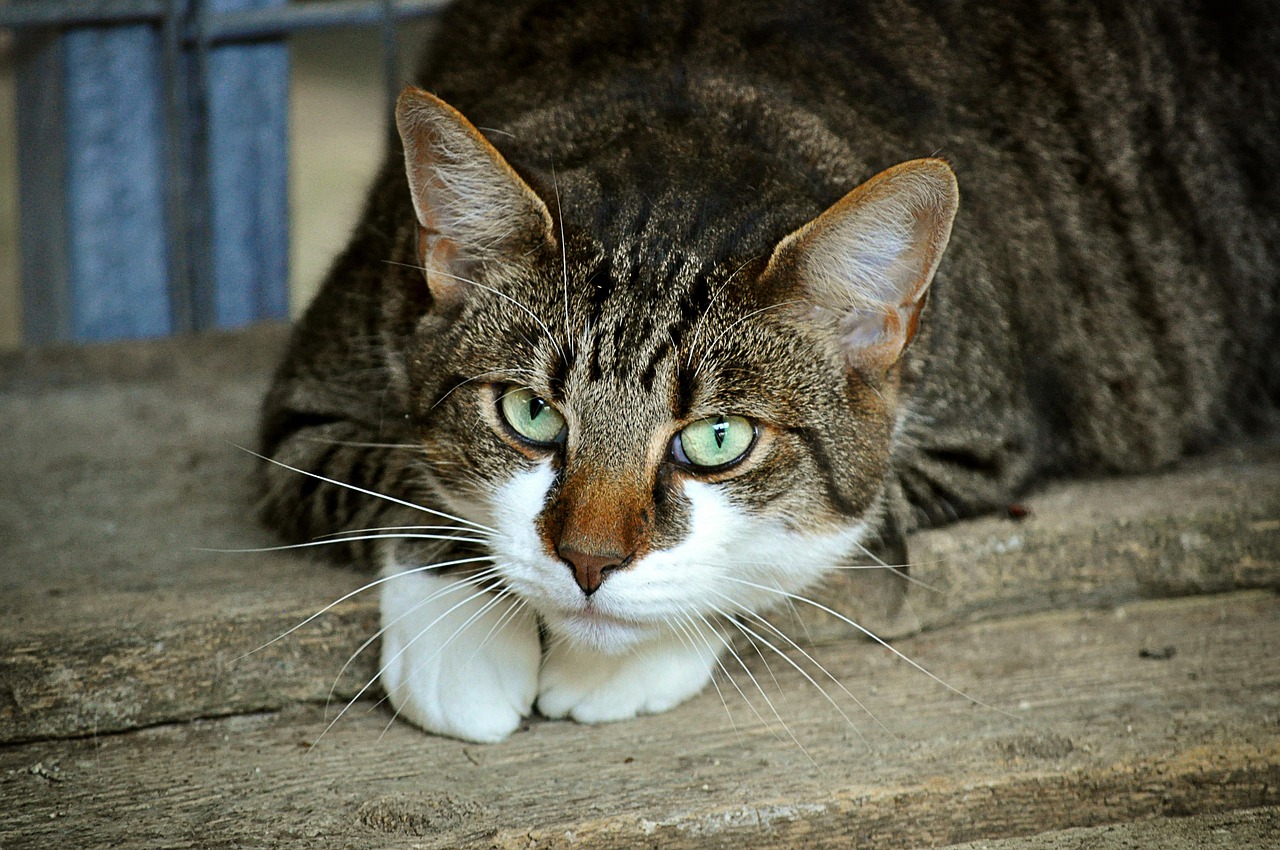

The Psychology Behind Aging and Anxiety in Cats
As cats age, their psychological state undergoes notable changes. These shifts in behavior can stem from physiological alterations, including diminishing cognitive capabilities. Cats may experience anxiety due to their changing environment, which can compound their fears. Older cats often prefer familiar surroundings, and introducing new elements may trigger stress. They might show signs of anxiety through behaviors such as excessive grooming or hiding. Changes in routine can also exacerbate their feelings of insecurity. It’s essential for cat owners to recognize these signs and make appropriate accommodations. Providing a comfortable and consistent environment can help alleviate their anxiety. Senior cats benefit from routines that include regular feeding and playtime. Engaging them in low-stress activities, such as gentle play, can improve their mood and encourage mental stimulation. Psychological well-being is as crucial as physical health in older cats. Veterinarians may suggest behavior modification techniques or anxiety-relief products if a cat displays persistent anxiety. Owners should also maintain regular veterinary check-ups to ensure ongoing health monitoring for age-related issues in their beloved pets. With proper care, aging cats can thrive and maintain a high quality of life.
Understanding cognitive dysfunction in geriatric cats is vital for ensuring their mental health. Cognitive dysfunction syndrome (CDS) resembles dementia in humans, presenting symptoms such as disorientation and disrupted sleep patterns. These symptoms may arise from changes in the brain, and they affect a cat’s interactions with their surroundings. Observing behavioral shifts is critical, as subtle changes can indicate significant cognitive decline. Owners might notice their cats wandering aimlessly or staring blankly for extended periods. Addressing CDS can involve environmental enrichment and mental stimulation, keeping their minds engaged. Puzzle toys and interactive games can provide much-needed cognitive challenges. Additionally, maintaining a consistent feeding schedule can assist in easing their confusion. In some cases, veterinarians may recommend medication to improve cognitive functions. Alongside cognitive health, social interaction remains essential; owner engagement can bring comfort and reduce anxiety. Gentle petting and verbal encouragement may help calm an anxious feline. Establishing a safe, predictable environment encourages emotional stability, providing much-needed reassurance during this transition. Paying close attention to a cat’s behavioral shifts enhances understanding and leads to better interventions. All these factors combined can dramatically improve the lives of aging cats.
Common Signs of Anxiety in Aging Cats
It’s critical for cat owners to recognize anxiety symptoms as their pets age. Common indicators include increased vocalization, changes in appetite, and altered grooming habits. Aging cats may become overwhelmed more easily, leading to withdrawal or avoidance of social interactions. Additionally, frequent hiding may indicate anxiety; cats may seek solace in familiar spaces. Other signs to observe include inappropriate elimination patterns, which may signal distress. These behaviors can be misinterpreted as mere aging, but they often highlight deeper psychological issues. Owners should meticulously document these changes to present to their veterinarians during check-ups. Engaging cats in enrichment activities tailored to their abilities can improve their mental health and decrease anxiety. Simple toys, gentle play, and interaction with owners can enhance confidence. Routine veterinary health assessments are also essential to rule out underlying conditions causing anxiety. Providing cat-safe zones, such as cozy beds and quiet spaces, can foster a feeling of security. Monitoring and adapting the environment according to their behavior will yield great long-term benefits. Personalized attention regarding their changes will support better health, comfort, and emotional well-being in aging cats.
Age-related health issues can contribute significantly to anxiety in cats. Conditions such as arthritis, dental disease, and sensory decline may amplify feelings of distress. Pain or discomfort can manifest as irritability or aggression, leading to further social withdrawal. Commonly, older cats may experience decreased vision or hearing, contributing to their anxiety. It’s crucial for pet owners to adapt their homes to accommodate these changes. Cats may struggle with daily tasks due to physical restrictions, prompting anxiety when their needs are unmet. Regular veterinary check-ups and health assessments can mitigate physical stressors contributing to anxiety. Maintaining optimal health is a collaborative effort between owners and veterinarians to ensure aging cats live comfortably. Moreover, certain herbs and supplements, like CBD oil or calming treats, can help reduce anxiety levels. Many products are available specifically formulated for older cats to manage their stress. It’s essential to research and consult your veterinarian to identify the suitable options. By prioritizing both physical and psychological needs, owners can help their aging cats maintain contentment and tranquility. Thus, a comprehensive understanding of physical ailments will fortify the emotional well-being of senior felines.
Creating a Calm Environment for Aging Cats
Creating a peaceful environment is paramount in aiding the well-being of senior cats. Owners should ensure their living spaces promote safety and familiarity. Starting with clear pathways free from obstacles can significantly diminish anxiety levels. Cats, especially those with sensory impairments, navigate better in clutter-free zones. Moreover, providing accessible resting areas can help reduce stress. Senior cats appreciate having multiple cozy spots where they feel secure and safe. Zones near windows may expose them to natural light and outside stimuli while ensuring they’re away from sudden noises. Using soft, warm bedding in these spaces can contribute to their comfort and relaxation. Routine changes and chaotic household activities can be disruptive; hence, establishing consistent schedules for feeding and play is beneficial. Implementing quiet hours, particularly during peak household activity times, fosters tranquility. Gentle background music or calming pheromone diffusers may also ease anxiety for some cats. Training family members to respect and accommodate the cat’s needs during their twilight years is necessary for creating an optimal living environment. Aging cats thrive best where they feel secure, minimizing stressors that could affect their behavior.
Understanding the emotional bond between owners and their aging felines is crucial for their well-being. As cats age, this bond can evolve, requiring owners to adjust their interactions accordingly. Maintaining a loving relationship involves recognizing changes in behavior and responding appropriately to aging needs. Intuitive engagement is essential; owners should learn how to adapt their communication to their cats’ comfort levels. Simple acts of affection, such as gentle strokes or soft-spoken reassurance, can create a nurturing atmosphere. Additionally, being patient during interactions allows aging cats to express their preferences without added stress. Some older cats may prefer solitude, while others may seek even more attention. Creating routines that include time for one-on-one bonding can foster a deep connection between owner and pet. Observing individual preferences helps gauge what actions bring joy or anxiety. Providing emotional fulfillment is pivotal as a cat ages. The joy of companionship is reciprocal; hence, investing time and energy into these relationships pays dividends in shared happiness. Ultimately, nurturing this bond throughout the aging process can enhance both the cat’s emotional health and the owner’s satisfaction.
Conclusion and Recommendations
In conclusion, understanding the psychological aspects of aging in cats allows for better care and management of their mental health. Recognizing signs of anxiety and behavioral changes is vital to addressing their evolving needs. Owners must provide suitable environments that prioritize safety, stability, and comfort for their senior pets. Regular communication with veterinarians can offer insights and management strategies when necessary. Implementing calming techniques and routines will further alleviate anxiety in aging cats. Gentle, loving interactions can enhance the bond between pet and owner. Owners should continually adapt their approach as their cat ages, creating routines that respect their needs and preferences for interaction. Investing in mental stimulation through play and engaging activities can significantly improve a cat’s quality of life. As cat owners, prioritizing both physical health and emotional well-being is essential in providing optimal care. With attentive support, aging cats can enjoy their twilight years with less anxiety and more joy. Remember, a happy cat contributes to a happier home. Therefore, stay dedicated to nurturing that unique bond while ensuring their comfort through each stage of life.
Ultimately, the psychology of aging cats is a complex interplay that involves understanding their emotional and behavioral responses. Owners should observe closely and adapt accordingly, promoting positive practices. By embracing the nuances of feline aging, we can ensure our cherished companions age gracefully.