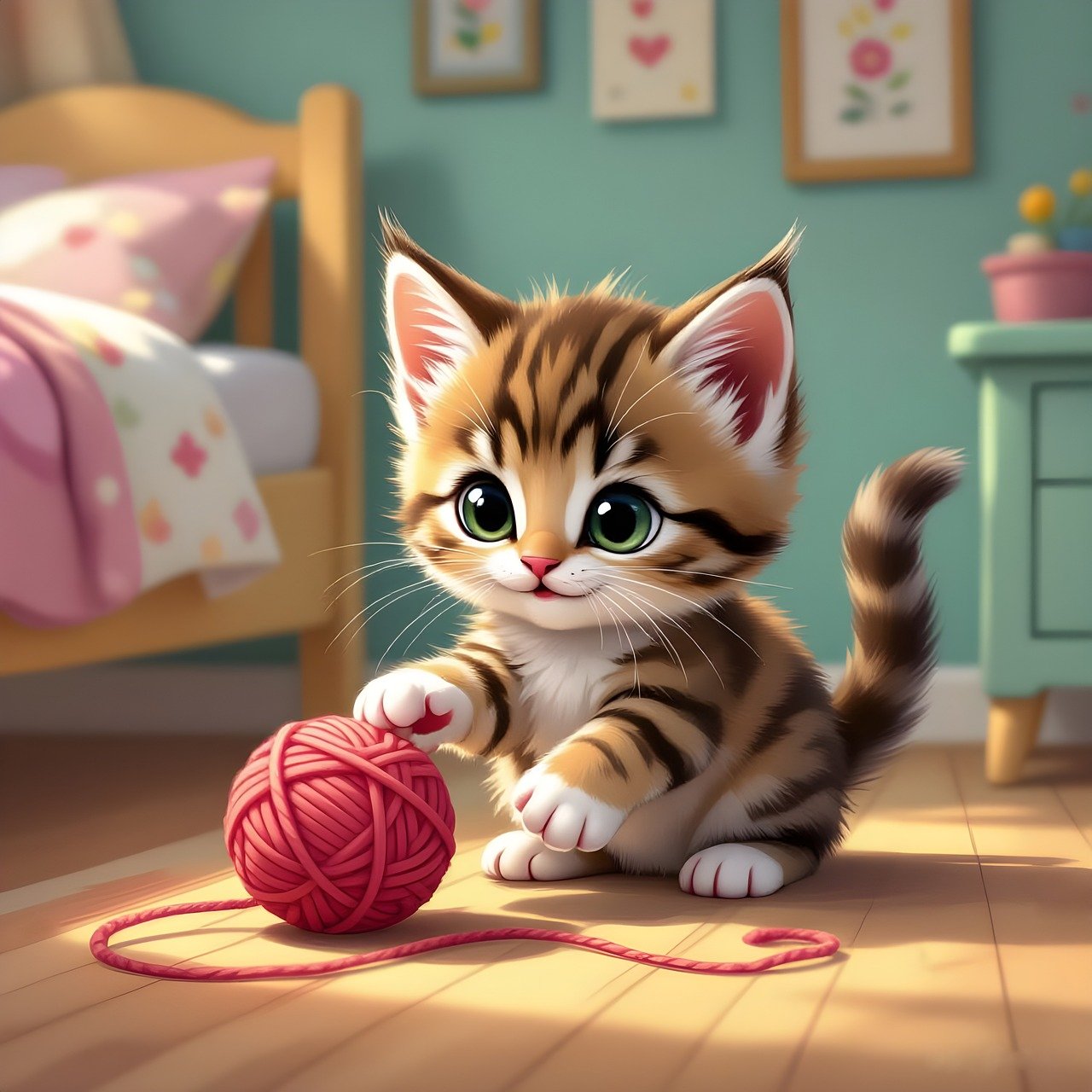

The Science Behind Play and Cat Happiness
Play is an essential aspect of a cat’s mental health, impacting their emotional well-being significantly. Engaging in play allows cats to express their natural hunting instincts, providing a fulfilling outlet for their energy. This activity not only promoted physical health through exercise but also ensures cognitive stimulation, as cats encounter various challenges during their playtime. Social interaction during play fosters bonds with their human companions and reduces feelings of loneliness or boredom. The importance of interactive playtime should not be overlooked. Establishing a routine that includes regular play can help in preventing behavioral issues that arise from pent-up energy. Additionally, utilizing toys that mimic prey can activate a cat’s predatory instincts. Owners should invest in different types of toys that can cater to individual preferences, promoting exploration and interaction. This diversity keeps the cat engaged and mentally healthy. Furthermore, playtime isn’t just fun; it should also be treated as a crucial part of cat care, warranting consistent attention from owners to ensure their feline friends remain happy and healthy. Regular playtime also leads to empowered cats, helping them develop confidence in their environment.
Essentially, the role of toys can never be undervalued in stimulating a cat’s mind. Toys can serve various purposes, including providing comfort and preventing anxiety. Different textures and functions hold the potential for excitement and can replicate real-life scenarios where they would typically hunt. Moreover, creating an enriched environment with various climbing structures and hideaways contributes significantly to their happiness. Cats often seek high vantage points or cozy spaces, enhancing their feeling of safety and security. Understanding your cat’s preferences plays a crucial role in maximizing enjoyment during playtime. For example, some cats adore feathers and wand toys, while others gravitate towards laser pointers or balls. Observing your cat’s reaction can guide you in selecting suitable options for them. Cats need variety to prevent boredom, so rotating toys can maintain their interest levels. Play is especially vital for kittens, who learn social behaviors during interaction with others. Supervising kitten play helps teach boundaries and encourages appropriate behaviors. Interactive play can also serve as training, promoting discipline alongside enjoyment. A well-stimulated mind can often lead to decreased anxiety levels, offering both mental and psychological benefits.
Interactive Play: Building Trust
Moreover, interactive play serves as a fundamental tool for building trust and strengthening the bond between cats and their owners. When cats associate playtime with positive experiences, their trust deepens, enhancing the relationship with humans. Owners should remain patient and mindful, allowing their cats to set the pace during play sessions. This method encourages the cat to feel a sense of control, leading to increased confidence and comfort. Engaging in joint play activities can become part of a daily routine, marking special moments of connection. Incorporating treats post-play can serve as a rewarding incentive, strengthening this bond even further. Additionally, this bridge of trust can ease other interactions, such as grooming and care routines, establishing an environment where the cat feels safe. The brain benefits from this interaction as well. Regular bonding moments can contribute to lowering stress levels in both parties involved. Trusting a human often translates into emotional security for cats, aiding overall mental health. A well-bonded cat is more likely to exhibit signs of happiness and contentment, showcasing playful energy. It becomes clear that investing time in play isn’t just play; it’s an investment in long-term mental health.
Furthermore, understanding your cat’s play preferences is beneficial in addressing their mental health needs effectively. Each cat has distinct play styles influenced by breed, personality, and experiences. Some may prefer solo play with toys, while others thrive in interactive setups with their owners or other animals. Recognizing these traits allows for more customized play sessions, tailored to individual needs. For instance, shy or anxious cats may favor quiet engagements, while more energetic cats could enjoy vigorous play activities. Implementing a variety of activities keeps the stimulation evolving, ensuring that your cat isn’t just physically stimulated but also mentally enriched. The use of technology, such as apps and games designed for cats, can also be a groundbreaking experience, introducing novel ways to play. Such innovations can provide entertainment and serve as valuable tools in redirecting unwanted behaviors. Ultimately, the key lies in making play a delightful, personalized experience. Paying close attention to your cat’s reactions during different play sessions can guide adjustments. This leads to an engaging routine, benefiting overall mental and emotional health.
The Benefits of Structured Play
Structured play sessions create an environment where cats can thrive. Setting aside time for dedicated play gives cats predictability and routine—an essential factor in behavioral management. Cats tend to feel secure when they know what to expect, contributing to their sense of wellbeing. During structured play, owners participate at designated times, interacting through various toys, which sparks excitement and anticipation in cats. This approach allows for balancing energetic play with moments of calm, modeling appropriate behaviors to their feline companions. Routine also offers opportunities to assess a cat’s health. Owners can closely observe their cat’s energy levels during playtime, allowing early recognition of potential health issues. Should a cat become less engaged or show noticeable changes, they can seek veterinary guidance earlier. Additionally, structured play can direct excess energy in more positive ways, reducing unwanted behaviors. Cats become less likely to climb furniture or scratch surfaces if their energy is actively channeled into engaging play. The mental and physical stimulation from defined play times can ultimately aid in maintaining a harmonious relationship between cats and their living environments.
A combination of play and enrichment methods can optimize mental health outcomes significantly for cats. Providing diverse stimuli encourages exploration and curiosity while maintaining engagement. Enrichment can take form in various ways, such as food puzzles that challenge their cognitive skills, expanding their ability to problem-solve. These activities not only stimulate the mind but contribute to deeper, instinctual satisfaction. Cats naturally seek out challenges, and providing avenues to fulfill these desires fosters better mental health. Likewise, exposure to safe and stimulating environments opens windows for socialization. Positive interactions with other animals or humans tend to enhance mood, even allowing some shy cats to thrive in the presence of companions. This socialization aspect is especially important for young kittens, who learn vital skills that carry into adulthood. By prioritizing social play and interactions, owners can cultivate well-adjusted cats that feel confident and safe. Combining all these elements effectively contributes to a fulfilling life, centered around play, interaction, and overall happiness. Recognizing the significant role of play is essential in encouraging the mental well-being of your feline friend.
Conclusion: Embrace Play for Happiness
Ultimately, understanding the science behind play enriches both cats and their owners’ lives. Embracing interactive play fosters stronger relationships, cultivates trust, and brings joy both to playtime and life. All aspects of feline care should recognize play as a principal, enjoyable, and educational element of a cat’s existence that nurtures their mental health. By providing daily opportunities for engaging play, owners actively contribute to their cat’s holistic wellbeing, promoting not just physical fitness but also emotional depth. Additionally, through these interactions, cats engage their instincts, fostering deeper connections within their environments and families. Play opens the door to a world where cats thrive in their daily interactions, improving their quality of life. A content cat contributes to a happier home, improving the atmosphere for everyone involved. Raising awareness about these values will lead to a community of informed and proactive pet parents who prioritize their pets’ mental health. It’s about creating a life filled with enriching experiences, and embracing play as a powerful means to achieve this mission. In conclusion, make play an integral part of every day for your beloved feline companion.
By integrating the significance of play into daily routines, pet parents not only enhance the mental states of their cats but also promote understanding and kindness among humans. Cats may display complex behaviors if neglected in the play department. Unfulfilled play needs can lead to frustration, anxiety, and depression over time. Similarly, a more understanding society regarding play’s importance can transform the way people interact with their pets, leading to healthier and more engaged relationships. Through collective awareness of play’s merits, people can be encouraged to create play-friendly spaces that prioritize cat well-being. Experts suggest enriching environments contribute tremendously to the mental stimulation that play offers, proposing that more owners should consider the importance of leisure time as part of their day-to-day care routines. Witnessing a cat at play, fully engaged and expressing their true selves, affirms the need for this discussion. The combination of mental stimulation and physical activity ensures that pets lead fulfilling lifestyles. Ultimately, this push to embrace play signifies a wider appreciation of pet companionship. Cats can teach us the value of joy, curiosity, and connection through play, leading to a harmonious coexistence both at home and beyond.