
Training Your Dog to Come: Step-by-Step Methods
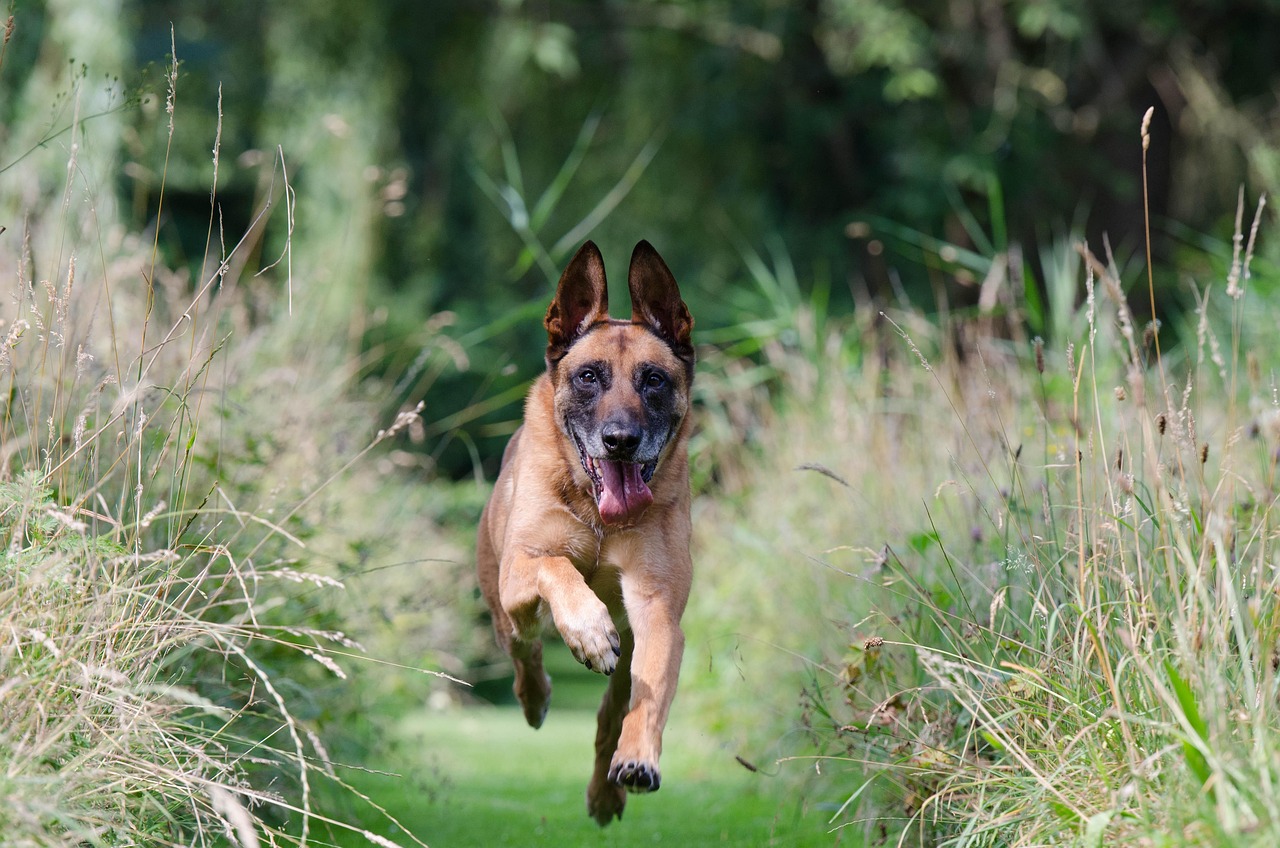
Teaching your dog the “Come” command is essential for good dog ownership. This command ensures your dog’s safety and allows for enjoyable outdoor interactions. Start by selecting a quiet and familiar space where your dog feels comfortable. Begin training when your dog is naturally engaged in play or exploration. Use a cheerful tone to call your dog, using the word “Come” clearly and assertively. It is crucial to make this command seem exciting and rewarding. When your dog comes to you, immediately reward them with praise and treats. This positive reinforcement will help them associate the command with something enjoyable. Repeating this process consistently during training sessions fosters a stronger understanding of the command. Mixed practice in different environments can help reinforce the command further. Remember, patience is key during this process. Each dog learns at their own pace, so be ready for incremental progress. Avoid punishment; instead, focus on building positive experiences that strengthen your dog’s desire to respond. Training sessions should be kept short and fun, ensuring your dog’s engagement and willingness in the learning process, ultimately leading to success.
Using Distractions Effectively
As your dog begins to understand the “Come” command, gradually introduce distractions to enhance their focus. Choose environments with more activity while keeping your dog on a leash. This will prevent them from wandering off. Call your dog from a short distance and reward them when they respond correctly. Then slowly increase the distance while adding more distractions, like other animals or people. The goal is to reinforce the command even when they are distracted. Ensure your tone remains positive, encouraging your dog to see coming as a rewarding action. To motivate them, employ high-value treats that your dog loves. This extra incentive can make a huge difference when they are tempted to ignore you. During this phase, if your dog doesn’t respond right away, gently guide them back to you using the leash. Remember, success is about consistency and patience. Celebrate small wins to increase their confidence with the command. After several positive experiences, your dog will begin to come to you more readily, even amidst distractions, making walks and outings far more enjoyable for both of you.
Moreover, practicing in different environments will strengthen the association your dog forms with the “Come” command. Start inside your home, then gradually move outdoors to public places, such as parks and sidewalks. This applies to teaching your dog to respond in various settings. Make sure to choose locations that are moderately distracting, gradually introducing more complex environments over time. During training sessions, keep your dog on a long leash allowing them some freedom to move. When calling them, encourage them with enthusiasm, rewarding them generously when they respond appropriately. Use their favorite toys and treats as part of the training regimen, creating a fun and engaging experience. The variety of locations not only keeps your dog interested but also helps their adaptability. Always remember to remain calm and patient during practice. If your dog struggles to respond, try repeating the command clearly and use more enticing rewards. Consistent practice over time will help secure the reliability of the command. Your ultimate goal is for your dog to associate coming when called as a fun and rewarding experience, the key to a more harmonious relationship.
Incorporating Play into Training
Integrating playtime into your dog training routines can make the “Come” command more fun and effective. Dogs are naturally inclined to respond to an owner’s enthusiasm and joy. Use play as a tool by starting with fetch or tug-of-war sessions. While engaged in these activities, intermittently call your dog to come back to you. When they comply, shower them with affection and treats. This association reinforces the idea that it’s rewarding to respond to the “Come” command. You can also practice with two people, taking turns calling your dog back and forth. This not only builds their understanding but also makes the training more dynamic and engaging. Ensure that each time your dog comes to you, it is met with praise, creating strong positive reinforcement. Incorporating play keeps the atmosphere light, leading to longer training sessions without boredom. You may notice your dog looking excited whenever they hear the “Come” command, thus turning it into a game. This playful method enhances the bond you share with your pet while ensuring they learn effectively, ensuring their safety during outdoor adventures.
Additionally, using visual cues along with verbal commands can be beneficial in teaching your dog to come. Combining hand signals with spoken commands aids in understanding, especially for dogs that may struggle with auditory cues alone. For example, alongside the verbal command, raise your arm and wave your hand to visually indicate your dog should approach. Start this practice when they are close to you, then gradually apply it in various environments as they get more proficient. As your dog learns to associate the visual signal with the command, you can reduce the verbal cues over time. Keep training sessions fun and relaxed, maintaining your dog’s interest. Avoid overwhelming them with too much information at once. Instead, focus on perfecting one aspect before integrating additional cues. This gradual adjustment allows for better understanding and provides a clearer learning path. Remember to celebrate every success, no matter how small, boosting their confidence and encouraging them. The combination of verbal and visual cues leads to a well-rounded training approach, making the “Come” command more effective and enhancing your communication with your furry companion.
Maintaining Consistency for Long-Term Results
Once your dog has grasped the “Come” command, maintaining consistency is vital for long-term success. Continue practicing regularly to ensure they retain their skills. It’s important to incorporate this training into your daily throw sessions and during walks. By consistently calling your dog in a variety of scenarios, you encourage reliable responses. Avoid only expecting them to recall when called during serious moments; instead, make it part of their everyday experience. Vary your rewards, sometimes using praise alone, other times offering treats, to keep your dog interested and engaged. Practicing with family members, having multiple people call them, can reinforce their understanding and response to the command as well. Keep the sessions short but frequent to prevent frustration or boredom. Always remember to be patient; perfection takes time, and each dog has a unique learning pace. If your dog faces difficulties, avoid scolding them or displaying frustration. Instead, evaluate your training methods and identify areas for improvement. With steady practice and patience, your dog will excel, solidifying the “Come” command as a natural response in different environments.
Finally, consider seeking assistance from a professional trainer if challenges persist. Using expert help can expedite the learning process, ensuring your dog learns crucial commands correctly and effectively. A professional trainer can provide guidance tailored to your dog’s specific needs, strengthening the bond between you and your pet. Additionally, enroll in group classes where socialization and obedience training converge. This setting not only teaches your dog the “Come” command among other skills but also allows for interaction with other dogs. These experiences are beneficial in ensuring your dog behaves well around distractions and unfamiliar circumstances. Engaging in ongoing learning through classes reinforces all commands consistently, creating a structured environment for continued growth. Furthermore, real-life situations outside of structured classes can also provide unexpected learning opportunities. Stay open to adjusting your training techniques based on your dog’s progress. By combining professional guidance with your personal practice right at home, you set the stage for a lifelong bond built on clear communication and mutual respect, making every outing more enjoyable and safer for you and your beloved canine.
Ultimately, committing to the training process and remaining vigilant to your dogs needs will lead to success. As with any training journey, consistency, patience, and positive reinforcement hold the keys to achieving desired outcomes. Celebrate every improvement you see, as even small steps contribute to growth. This reinforcement of positive behavior will solidify the understanding of commands like “Come” in your dog’s mind. With dedication, you’ll begin to notice your dog responding with eagerness, understanding that coming to you is well worth it. Making training fun and rewarding will create a lasting bond between you and your dog. The journey of training your dog to come when called not only promotes their safety but also establishes a valuable connection that enhances your life together. As noble companions, dogs inherently seek to please their owners. Leveraging this desire through enjoyable interactions will significantly improve your dog’s response to commands. Your efforts in creating a responsive and obedient companion will pay off in countless enjoyable moments together, enriching both your lives beyond measure. In love and loyalty, this fostered relationship between humans and dogs truly becomes part of what makes life extraordinary.