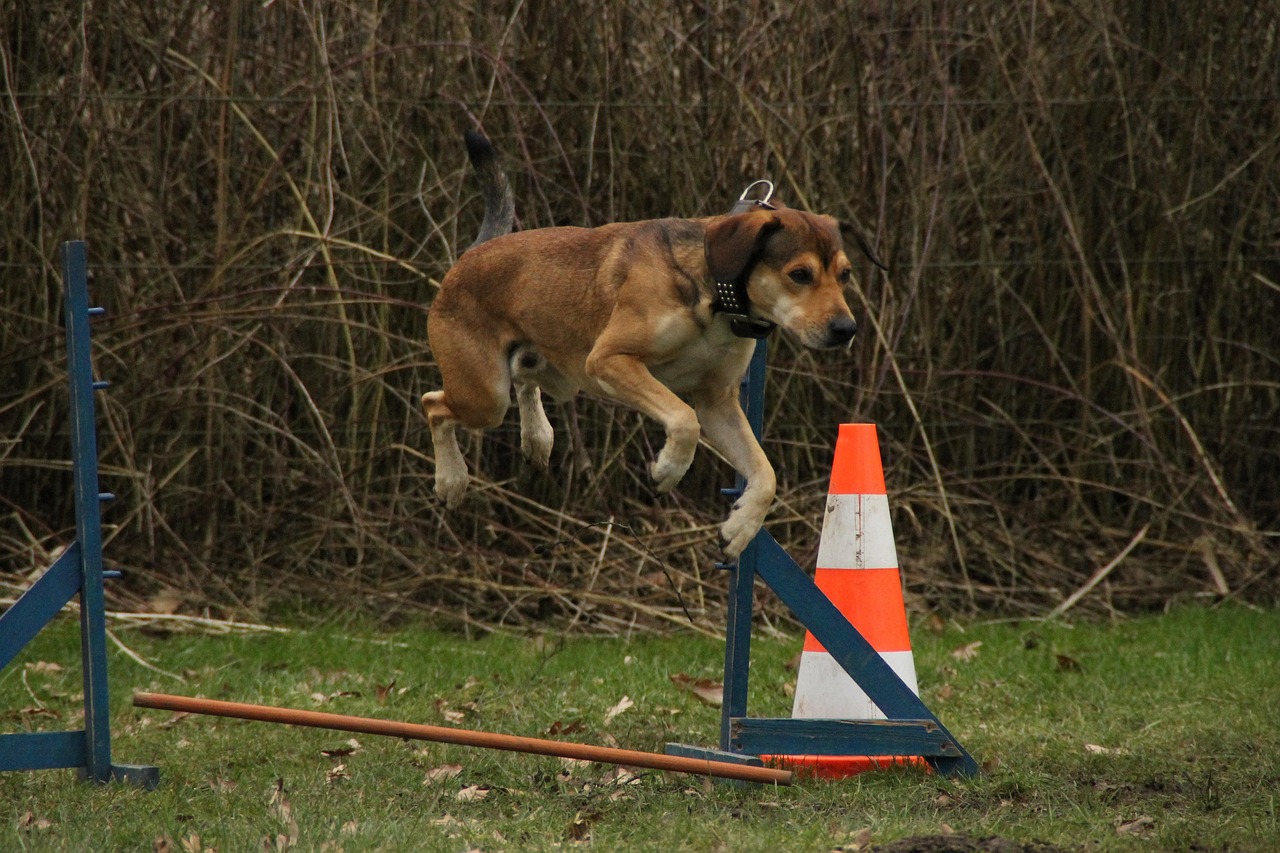

Training Your Dog to Jump Over Indoor Hurdles
Training your dog to jump over hurdles can be an exciting and engaging activity. Starting with a proper mindset is crucial for both you and your furry friend. First, determine a suitable location within your home that offers enough space. Indoors, you might have to create a safe and controlled environment, minimizing distractions. Dogs thrive in structured routines, so consistency is key. Familiarize your dog with the hurdle. You can use objects like cushions or boxes, setting them as the height for your initial practice. At this stage, keeping the hurdles low will help boost your dog’s confidence in jumping. Whenever your dog attempts to navigate over the hurdle, use positive reinforcement. Praises, treats, or toys will encourage them to repeat the activity with enthusiasm. Additionally, adjusting the height gradually as your dog becomes more adept at jumping can foster the growth of their skills. Incorporate fun variations as well, like timing their jumps to enhance excitement throughout training. Ultimately, patience and understanding your dog’s unique pace are vital. Prioritize a positive atmosphere, ensuring your pet enjoys the process of learning to jump over hurdles.
The next steps in training your dog require incorporating commands. Start with basic verbal cues like ‘Jump!’ or ‘Hurdle!’ delivered in a lively tone. Dogs respond best to cheerful energy during training. Begin by guiding your dog with a treat held above the hurdle. This will encourage them to leap over it to reach the treat. Practice this repeatedly until they seem comfortable, reinforcing successful jumps with rewards. Remember to maintain a playful spirit; training should never become a stressful affair for your dog. Vary the positioning of the hurdle to introduce new challenges, helping maintain their interest throughout training sessions. If your dog shows signs of reluctance or anxiety, it’s important to adjust your approach. Perhaps lowering the hurdle one more time or allowing them to approach it at their own pace might alleviate any fears. Consistency in practice will yield the best results. Aim for short, frequent practice sessions rather than lengthy ones. Too much can overwhelm your dog and diminish their enthusiasm. Celebrate small achievements, showing them they succeeded even at the simplest levels to build their confidence ultimately.
Understanding Your Dog’s Behavior
Observing your dog’s reactions during training is important for tailoring sessions. Each dog has a unique personality and comfort zone that can determine their training success. Some dogs might display eagerness right from the start, while others may need a more gradual introduction to jumping. Pay close attention to their body language, which can reveal their feelings toward the exercise. Signs like relaxed ears, wagging tails, and playful barks indicate your dog is enjoying the activity. On the other hand, stiff body posture, lowered tails, or hesitant movements could suggest discomfort. Throughout the training process, maintain an upbeat and positive approach. Utilize praises and affection to encourage your dog’s progress, boosting their confidence. As your dog becomes more comfortable with indoor hurdles, challenge them slightly by altering the training environment. Changes like different time of day or training with a friend can help your dog adapt to varying situations. It’s spectacular to witness their development as they advance at their own pace. Constantly encourage them throughout the process, setting realistic expectations as they learn to conquer the hurdles.
To keep your dog focused during training, consider how distractions may affect their performance. Dogs, like humans, may find it challenging to concentrate in busy or noisy environments. Choosing quiet times or locations can help them focus on jumping instead of wandering. Utilize various types of jumps to sustain their interest. Mix in simple hurdles with varying heights or incorporate agility tunnel displays as well. Every time your dog clears a hurdle successfully, reinforce their success using enthusiastic praises or treats. If you’re working with more advanced jumps, ensure they maintain proper form. Correct posture will help prevent injuries, allowing your dog to train correctly for years. Avoid pushing your dog beyond their limits; remember to be attentive to their needs and comfort. Gradually work up to more challenging obstacles only when they show readiness. A successful jumping routine will embrace growth, patience, and familiarity for your dog. After each training session, review any progress or potential areas to improve, while also rewarding them for a job well done. Stay positive and committed to making indoor jumping a fun experience for you both.
Promoting Bonding Through Exercise
Training should strengthen the bond between you and your dog, enhancing your friendship through physical activity. Participating in activities that engage your dog adds not only exercise but also creates lasting memories. Introducing jumping hurdles fosters teamwork and communication. Your affectionate encouragement will remind your dog that you’re a safe supporter and instructor. During training, always maintain a calm demeanor, helping your pup feel secure. Engaging in consistent, enjoyable sessions will deepen trust in the relationship between you and your pet. Don’t shy away from playing games with your dog outside of training. Activities like fetch or tug-of-war can reinforce companionship. Establishing routines that incorporate jumps allied with bonding moments will provide a joyful outlet for energy too. As your dog’s confidence flourishes, you may want to explore incorporating themed obstacle courses facilitating not just jumps but also tunnels and weaving exercises. Ensuring variety will help keep them mentally stimulated. This dynamic creates a cycle of learning that nurtures an atmosphere of growth and exploration within your home. Share this exciting step of your dog’s journey with family and friends, showcasing their skills and successes to create more joyful experiences.
Aside from enhancing the bond with your dog, consistently practicing hurdles can cultivate their discipline. Skills like focus, coordination, and agility will flourish through routine training efforts. Over time, your dog will learn to respond better to commands. This enhancement promotes a sense of structure not just during training but also in daily activities. Helping your dog understand boundaries builds a strong foundation for obedience in the future. A well-trained dog can enjoy outings in public spaces and around others without difficulty. Indoor exercises such as jumping challenges create ample opportunities for fostering confidence and independence in your dog. These benefits expand past the initial training phase, influencing everyday interactions together. Additionally, varying the jumping exercises can help develop their basic obedience skills. From learning to sit before a jump to practicing wait commands, these activities stimulate their brain too! Track your dog’s progress through notes or videos, showing how far they’ve come. This can be quite rewarding. Revisit your training goals, setting new targets as your dog masters jumping hurdles. Celebrate milestones together as a testament to the hard work you both put into learning and growing.
The Joy of Jumping Hurdles
Ultimately, the joy of seeing your dog jump through hurdles becomes the best reward of all. Engaging in interactive training creates a fulfilling environment for both of you. Expect small improvements to occur over time, learning alongside your dog rather than forcing them beyond their skills overnight. Enhancements in their physical abilities will support your relationship’s growth as you cheer them on. Remember that every dog possesses their own pace in learning, so embrace both successes and challenges together. Perfecting jumping over hurdles isn’t solely an achievement; it embodies a wonderful journey filled with laughter and love. As your dog becomes more adept, consider incorporating friends or family members into activity sessions. This helps diversify the environment even further while still reinforcing positive training experiences. Foster an atmosphere where mistakes are acceptable, and remember to enjoy the process fully. Training your dog indoors can be an enriching experience, encouraging lifelong habits of shared exercise and companionship. Frequent challenges can advance not only your dog’s capabilities but also deepen your bond as you embark on this delightful adventure together.
In conclusion, training your dog to jump over indoor hurdles is more than just a fun exercise. It helps build communication, trust, and a strong bond between you and your pet. From understanding their behaviors to customizing training sessions, the goal remains to maintain a positive environment. Embrace these moments together as they blossom into successful jumps. Investing time into training yields immense rewards, enriching both your life and your dog’s life with shared joy. Through engaging routines filled with laughter and play, your bond will continue to flourish. Make each training session a memorable experience. Always continue customizing hurdles and challenges tailored to your dog’s needs and abilities. Over time, they’ll develop not only physical skills but also the discipline and confidence to navigate obstacles with ease. A consistent focus during training allows for better results, creating space for your dog to thrive without pressure. Many unforgettable moments await both of you on this journey. Celebrate victories, small and large, as these will shape the wonderful partnership between you and your dog. Training isn’t just about the hurdles but embracing the moments you share and grow while creating a fulfilling journey together.