
Water Temperature Preferences for Cats: What’s Ideal?
Keeping your cat hydrated is essential for their overall health, yet many cat owners aren’t aware of the specific water temperature preferences that make cats more likely to drink. This topic is crucial because proper hydration can prevent urinary issues, kidney problems, and overall lethargy in our furry friends. If you’ve noticed your cat is less enthusiastic about their water bowl, it might be worth considering the temperature of the water they’re drinking. Some cats prefer fresh, cool water, while others might enjoy it at room temperature or slightly warmer. Understanding your cat’s preferences regarding water can influence their hydration significantly, allowing you to provide the ideal drinking environment for them. This understanding also helps to promote better habits in terms of your cat’s hydration. It’s always a good idea to pay attention to how much your cat drinks throughout the day. Try observing any changes in their drinking patterns after adjusting the water temperature, and make the necessary adjustments to their bowl placement at home. A little change can make a big difference in ensuring your cat stays hydrated and healthy.
The water temperature your cat prefers can depend on various factors, including their unique personality and previous experiences. For instance, cats in the wild would often drink from cool streams or ponds, leading many to develop a preference for cooler water. In contrast, some cats who have been exposed to room temperature water since kittenhood may gravitate toward water that isn’t too cold. You can experiment with different temperatures to determine what your cat enjoys the most, ensuring they are adequately hydrated and happy. Another consideration is the bowl itself; some cats prefer to drink from larger bowls to make accessing the water easier. If your cat experiences discomfort while drinking, which could happen with cold water, it can lead them to avoid hydrating altogether. Pay attention to their behavior when you switch water temperatures or bowls. Cats are incredibly intuitive and often prefer freshness over temperature. Keeping their water bowl clean also factors into their willingness to drink more. Regularly changing the water and washing the bowl can improve the overall quality, enhancing its appeal.
How Temperature Affects Water Consumption
Temperature directly impacts a cat’s willingness to drink. Cats have evolved as highly selective drinkers, meaning they may avoid drinking water that doesn’t feel just right to them. If the water is too cold, it might be unappealing to some cats, especially during the colder months. Conversely, warmer water can also lead to quick spoilage, encouraging the growth of bacteria. This results in finding the right balance crucial. To tackle this problem, try keeping multiple water sources throughout your home. Offering water at varying temperatures might help increase their overall consumption. Placing ice cubes in the water can pique their interest, warming slowly as they melt, thus making it an exciting experience for them. However, if your cat seems disinterested, it’s also essential to consider factors like stress or illness, which might alter their drinking habits and perceptions toward water temp. Providing hydration options that make them feel comfortable is beneficial not just for their hydration levels but also for maintaining their mental well-being. Therefore, paying attention to their needs will strengthen your bond with them.
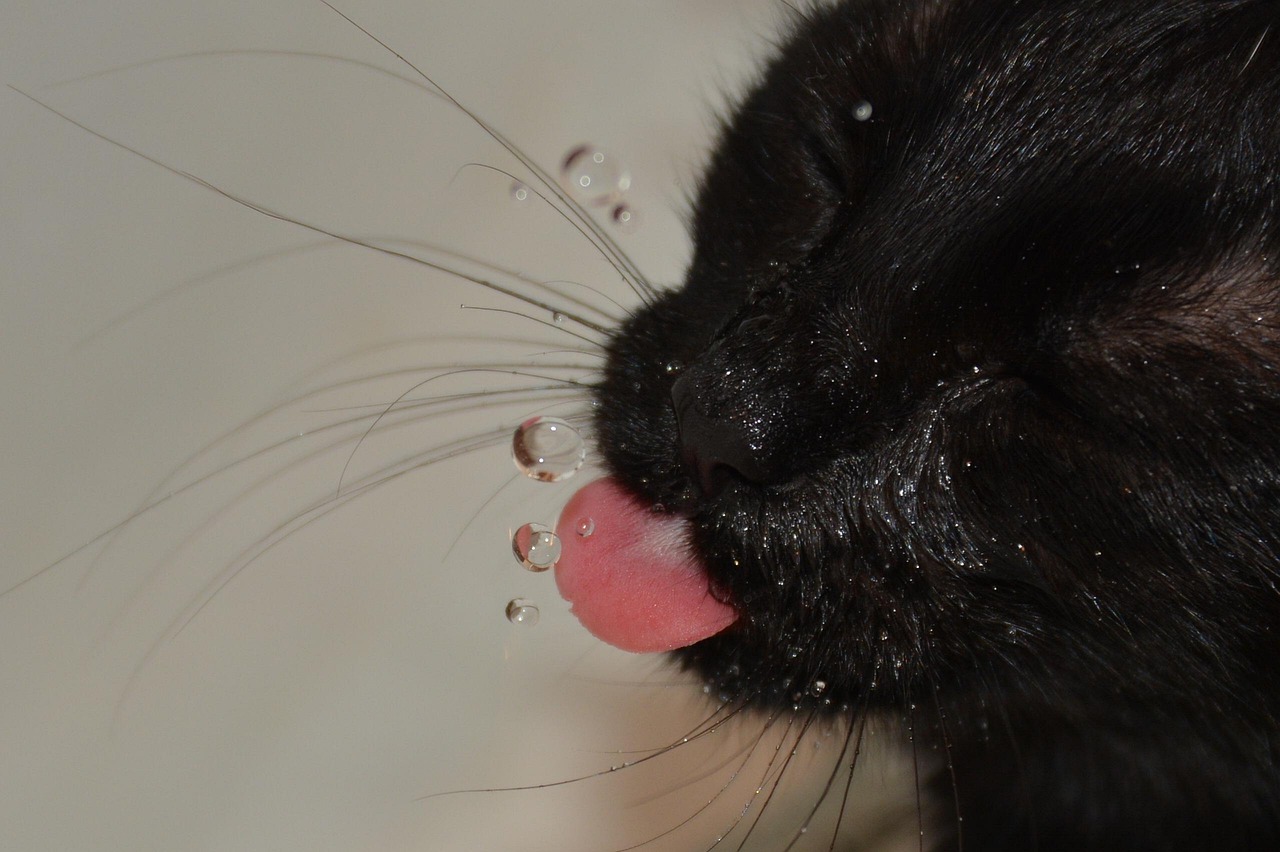
The material of the water bowl can impact the temperature, too, and could be worth exploring if you’re experiencing challenges. Stainless steel and ceramic bowls generally keep water cooler than plastic ones. Some cats prefer the sensation of coolness on their tongue and whiskers. On the flip side, plastic might retain more heat and can lead to warm water quickly after filling the bowl. Make sure to regularly clean and rotate the types of bowls to see which one your cat prefers. Additionally, giving them access to running water through pet water fountains can encourage drinking as well; many cats are attracted to the sound and movement of flowing water. This method can maximize their hydration, as running water tends to be fresher and cooler. Monitor your cat’s interest over time, as preferences can change based on environmental factors. You may find your cat has different preferences during the warm summer months than during the chilly winter months. Adjusting the water temperature consequently can lead to a better overall drinking experience for them.
Signs of Dehydration in Cats
Being aware of the signs of dehydration is a crucial part of cat parenting. Cats often hide their discomfort well, and dehydration can be a silent danger. Look out for symptoms like lethargy, dry gums, sunken eyes, and decreased appetite. If your cat exhibits any of these signs, it is time to observe their drinking habits closely. Your cat should ideally consume a specific amount of water daily, commonly around 3.5 to 4.5 ounces for every five pounds of body weight. Take note if they seem less active, lose skin elasticity, or have a less vibrant coat. Dehydration can lead to more severe health issues, such as urinary tract infections or kidney disease, hence catching it early is vital. If the issue persists and drinking more doesn’t help, visit your vet as soon as possible for appropriate treatment. Address any underlying issues that might be impeding their desire to drink. Offering them frequent fresh water can help mitigate dehydration conditions, while a comfortable environment will enable them to hydrate more effectively.
Hydration can also be supplemented through other means. Adding high-water content foods to your cat’s diet, such as specific wet cat foods, can massively help in achieving their hydration needs. Wet cat food typically contains around 70-80% moisture content, which can contribute significantly to overall hydration. Observe your cat’s preferences, as some will enjoy wet food while others prefer kibble. It’s essential to strike the right balance between their food types. Another great idea is to prepare homemade broths made from safe ingredients that can entice them into drinking more as well. Just ensure they don’t contain any harmful ingredients like onions or garlic. Furthermore, consider enriching your cat’s environment with plenty of stimulating activities and playtime, as an active cat will always crave hydration. Be attentive to their habits by keeping cats mentally and physically engaged, thus enabling them to drink more water. Even minor changes in your cat’s hydration tactics can lead to healthier lifestyles, enhancing everything from coat quality to overall energy levels. Always be vigilant regarding how these changes affect their drinking habits.
Conclusion: Keeping Them Hydrated
In summary, understanding and catering to your cat’s water temperature preferences requires attentiveness. It’s critical to take proactive steps that ensure they maintain well-hydrated consistently. Implement a combination of strategies, including multiple water sources, properly maintained bowls, and fresh running water options. Addressing their unique preferences helps ensure that they remain hydrated and healthy. Furthermore, consider enhancing the taste of their water with broths while mixing wet food into their diet increases moisture intake substantially. Always monitor changes in their drinking habits and behavior for any signs of potential health issues. As devoted cat parents, it’s our responsibility to create the best conditions that promote proper hydration. Think outside the box with your offerings and approach to keeping their drinking experience enjoyable and beneficial. Ultimately, a hydrated cat is a happy cat, which leads to a healthier lifestyle and a well-maintained level of energy. Adopting these guidelines guarantees that your feline friend enjoys all the benefits of optimum health through proper hydration, ensuring a longer and more enriching life together.
Final thoughts are simple; take the time to observe your cat’s drinking preferences and make adjustments as necessary. The time, patience, and love you invest in creating an ideal hydration environment will go a long way in promoting your cat’s health and well-being in the long run. There is no one-size-fits-all solution when it comes to keeping your cats hydrated. Each cat has distinct needs and tastes, and understanding those can greatly enhance their quality of life. By being proactive about the water offerings and their sitting bowls, you can help prevent dehydration and ensure your furry friend remains vibrant and joyful. Improving this aspect of your cat’s care is a task worth taking on, promoting not only hydration but also a fulfilling life for your feline companion.